
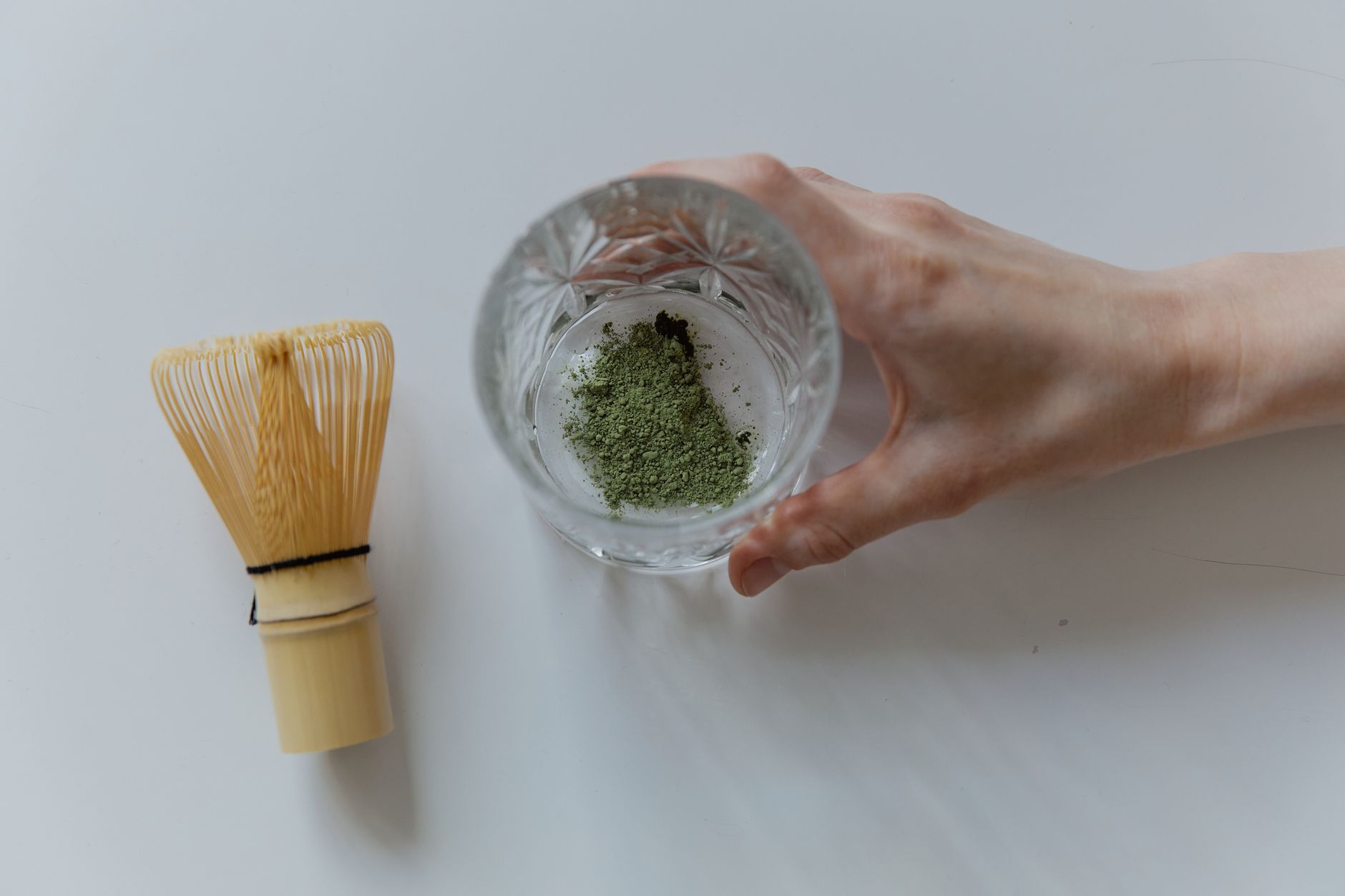
Ceremonial grade matcha is a premium type of matcha known for its vibrant color, fine texture, and exceptional flavor. This high-quality green tea powder is traditionally used in Japanese tea ceremonies, making it a favorite among tea enthusiasts. In this article, we’ll explore what ceremonial grade matcha is, how it differs from other grades, its culinary uses, and essential facts every matcha lover should know.
From its origin to practical applications in recipes and drinks, you’ll find everything you need to appreciate this unique ingredient. Whether you are new to matcha or looking to enhance your experience, understanding ceremonial grade matcha will elevate your tea rituals and cooking endeavors.
What Is Ceremonial Grade Matcha?
Ceremonial grade matcha is the highest quality matcha available, characterized by its bright green color, smooth texture, and complex flavor profile. It is made from young, shade-grown tea leaves that are hand-picked and meticulously processed. This grade of matcha is specifically intended for traditional tea ceremonies, where the emphasis is on quality and flavor.
Differences Between Ceremonial Grade Matcha and Other Grades
Matcha is categorized into different grades based on various factors, including leaf quality, harvesting methods, and intended use. The primary grades of matcha are ceremonial, premium, and culinary.
Ceremonial Grade
- Color: Bright green, indicating high chlorophyll content.
- Taste: Milder and more delicate, with sweet and umami notes.
- Texture: Fine and silky, making it suitable for whisking into a smooth tea.
- Use: Primarily for drinking and ceremonial purposes.
Premium Grade
- Color: Good green color, though not as vibrant as ceremonial grade.
- Taste: Pleasant but may hold slightly more bitterness than ceremonial matcha.
- Texture: Less refined than ceremonial, but still fine.
- Use: Suitable for lattes, smoothies, and baking.
Culinary Grade
- Color: Duller green, reflecting lower quality leaves.
- Taste: Stronger and more bitter, intended to be masked by other ingredients.
- Texture: Coarser and less refined.
- Use: Ideal for cooking and baking applications.
How to Choose High-Quality Ceremonial Grade Matcha
Selecting high-quality ceremonial grade matcha can enhance your overall experience. Here are some tips for choosing the best product:
- Color: Look for a vibrant green color. Dull or yellowish matcha indicates poor quality.
- Texture: The powder should be fine and silky, not gritty or coarse.
- Origin: Authentic matcha comes from Japan, particularly regions like Uji, Nishio, and Shizuoka.
- Packaging: Choose matcha that is packaged in airtight containers to preserve freshness and prevent oxidation.
- Flavor Profile: It should taste smooth, rich, and slightly sweet. Astringent or bitter notes may indicate lower quality.
Culinary Uses of Ceremonial Grade Matcha
Ceremonial grade matcha is not just for traditional tea drinking; it can also be a versatile ingredient in various culinary applications. Here are some popular uses:
1. Matcha Tea
The most obvious use for ceremonial grade matcha is to make a traditional matcha tea. Here’s how:
- Measure about 1-2 teaspoons of matcha powder into a bowl.
- Add about 2 ounces of hot water (not boiling, ideally around 175°F or 80°C).
- Use a bamboo whisk (chasen) or frother to whisk until smooth and frothy.
- Enjoy as is, or add more hot water for a more diluted version.
2. Matcha Lattes
Matcha lattes are an increasingly popular way to enjoy matcha. To make a creamy matcha latte:
- Prepare matcha as described above using 1 teaspoon of ceremonial grade matcha and 2 ounces of hot water.
- In a separate pot, heat 6-8 ounces of milk of choice (dairy or non-dairy) until steaming, but not boiling.
- Froth the milk for added texture.
- Pour the frothed milk over the prepared matcha and mix gently.
- Sweeten to taste with honey, agave, or any sweetener of your choice.
3. Smoothies
Add a teaspoon of ceremonial grade matcha to your morning smoothie for an antioxidant boost. Combine it with ingredients like banana, spinach, yogurt, and almond milk for a nutritious treat.
4. Baking
Ceremonial grade matcha can elevate baked goods, imparting not only color but also a subtle flavor. Consider using matcha in:
- Cakes: Incorporate matcha into batters for visually stunning green cakes.
- Cookies: Blend matcha into cookie dough for unique flavors and aesthetics.
- Pancakes: Add matcha to your pancake mix for a flavorful breakfast twist.
5. Desserts
Matcha complements numerous desserts. Consider preparing:
- Matcha tiramisu, where matcha replaces coffee for a unique twist.
- Ice cream, either homemade or store-bought, enriched with matcha flavor.
- Puddings and mousses that gain flavor and a lovely green hue from matcha.
Essential Equipment for Preparing Matcha
To truly enjoy ceremonial grade matcha, having the right tools can enhance your preparation and experience. Here’s a list of essential equipment:
- Matcha Bowl: A shallow bowl is ideal for whisking and serving matcha.
- Bamboo Whisk (Chasen): This traditional tool helps achieve a smooth and frothy texture.
- Matcha Scoop (Chashaku): A small scoop for measuring matcha powder accurately.
- Sifter: To eliminate clumps before whisking, helping to create a smooth drink.
Storing Ceremonial Grade Matcha
To preserve the freshness and vibrant color of ceremonial grade matcha, proper storage is crucial:
- Airtight Container: Store matcha in a dark, airtight container to prevent exposure to air and moisture.
- Cool and Dark Place: Keep matcha in a cool, dark cupboard or pantry away from direct sunlight and heat sources.
- Avoid Fridge or Freezer: While some people store matcha in the refrigerator, it can introduce moisture, which is not ideal. If you must refrigerate, ensure it’s well sealed.
Common Mistakes to Avoid with Ceremonial Grade Matcha
When working with this delicate ingredient, keep these common pitfalls in mind:
- Using Boiling Water: Always use water below boiling to avoid burning the matcha, which can lead to bitterness.
- Over Whisking: Too much whisking can create too many bubbles and may alter the texture adversely. Aim for a smooth surface.
- Storing Improperly: Improper storage can lead to oxidation and loss of flavor. Always store in an airtight container.
- Neglecting Quality: Not all matcha is created equal. Stick to reputable brands specializing in ceremonial grade matcha.
Key Facts about Ceremonial Grade Matcha
To wrap up, here are some interesting and useful facts about ceremonial grade matcha:
- Matcha is rich in antioxidants, particularly catechins, which are believed to provide numerous health benefits.
- The preparation of matcha has cultural significance, especially in Japan, where it is tied to Zen Buddhist rituals.
- Due to its production process, matcha contains more caffeine than regular green tea, which can provide a gentle energy boost.
- Ceremonial grade matcha is often more expensive due to the labor-intensive cultivation and harvesting processes.
Ceremonial grade matcha is a versatile and flavorful ingredient that can enhance your tea-drinking experience as well as a variety of recipes. Whether enjoyed in its simplest form as tea or incorporated into indulgent desserts, it provides an exquisite touch to any meal or occasion. With the right approach to preparation, storage, and selection, you can savor the rich benefits of this unique ingredient.
For delicious recipes involving matcha, consider trying our matcha tiramisu recipe or our strawberry matcha recipe. Explore the wonderful world of matcha today!