
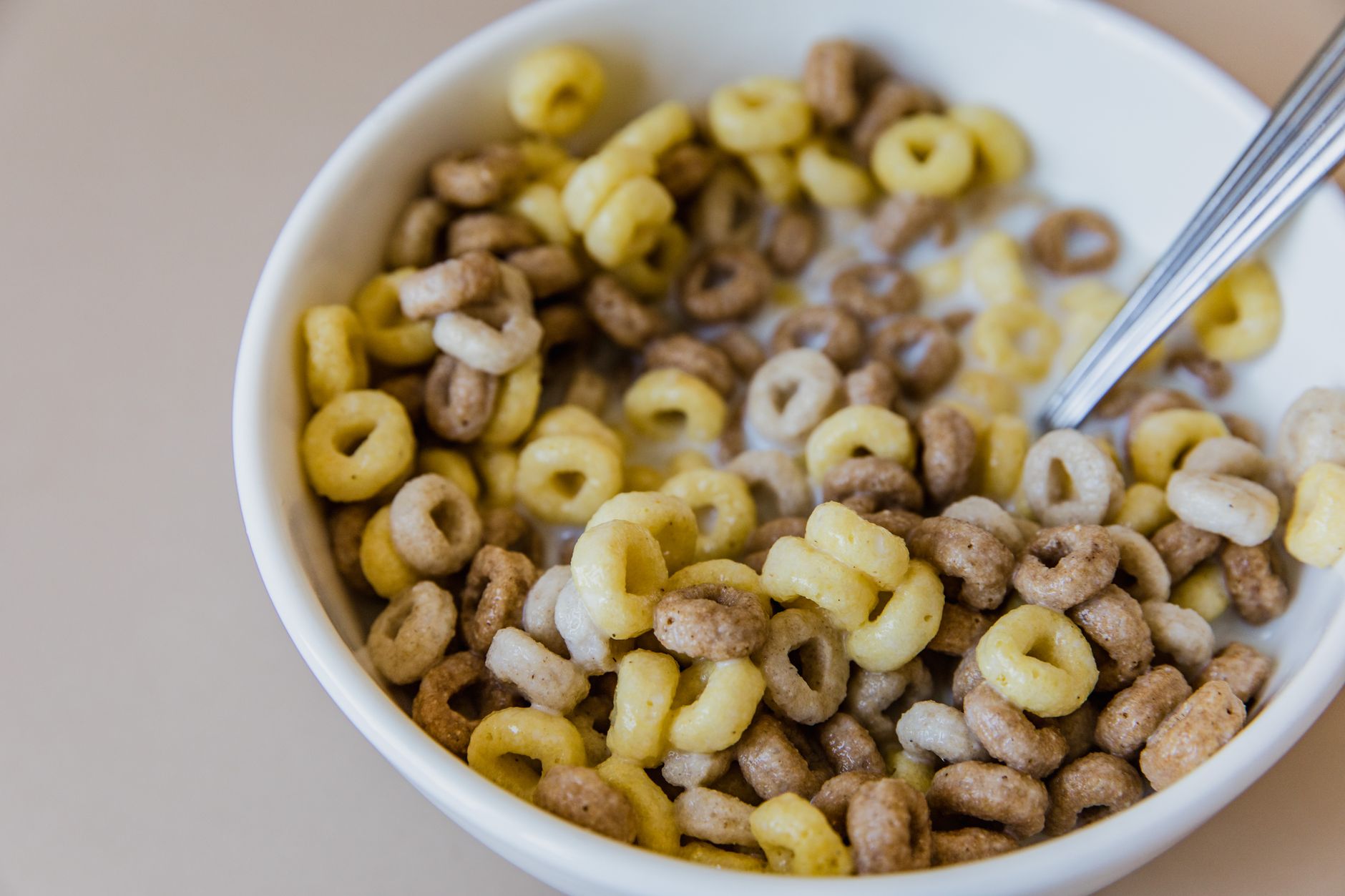
Cereal has long been a staple breakfast option for many, and Cheerios is one of the most recognizable brands. With its iconic O shape and variety of flavors, Cheerios has appealed to both children and adults. But with the increasing focus on health and nutrition, many people are left wondering: are Cheerios healthy?
This article explores the nutritional profile of Cheerios, appropriate portion sizes, and important considerations to determine how Cheerios can fit into your diet. By understanding its ingredients and nutritional benefits, you can make an informed choice about incorporating Cheerios into your meals.
Are Cheerios Healthy?
Cheerios can be considered a healthy option when consumed in moderation. They are low in calories, contain whole grains, and are fortified with important vitamins and minerals. However, factors like added sugars, serving size, and personal dietary needs should be considered when determining their healthfulness.
Nutritional Profile of Cheerios
Cheerios come in several varieties, including original, honey nut, apple cinnamon, and multi-grain. While the nutritional content differs slightly among these options, the original Cheerios offers a good baseline to analyze. Below is a general breakdown of the nutritional values per serving (1 cup, approximately 28 grams) of original Cheerios:
- Calories: 100
- Total Fat: 2.5 grams
- Saturated Fat: 0 grams
- Trans Fat: 0 grams
- Cholesterol: 0 milligrams
- Sodium: 140 milligrams
- Total Carbohydrates: 20 grams
- Dietary Fiber: 3 grams
- Total Sugars: 1 gram
- Added Sugars: 1 gram
- Protein: 3 grams
- Iron: 10% of Daily Value
- Calcium: 1% of Daily Value
- Vitamin D: 0% of Daily Value
Ingredients in Cheerios
Cheerios are primarily made from whole grain oats, which are beneficial for several reasons. Whole grains are linked to a lower risk of heart disease, obesity, and type 2 diabetes. The fiber present in oats aids in digestive health and helps maintain satiety. Other key ingredients include:
- Oat flour: Provides the bulk of the cereal and is rich in beta-glucan, a soluble fiber known for its health benefits.
- Rice flour: Adds to the texture and contributes to the overall carbohydrate content.
- Sugar: Present in small amounts to enhance flavor, especially in flavored varieties.
- Salt: Adds flavor and helps preserve freshness.
- Vitamins and minerals: Fortified with nutrients like iron and vitamin B12 to help contribute to a balanced diet.
Health Benefits of Cheerios
Incorporating Cheerios into your diet can offer several health benefits, especially when combined with other nutritious ingredients.
1. Whole Grains
The primary ingredient, whole grain oats, is recognized for its wealth of nutrients. Whole grains are associated with various health benefits, including:
- Lower cholesterol levels
- Improved gut health
- Better weight management
2. Low in Sugar
Original Cheerios contains just 1 gram of sugar, making it a great option for those looking to limit their sugar intake. This is especially important for individuals managing blood sugar levels.
3. Source of Dietary Fiber
A single serving of Cheerios offers about 3 grams of dietary fiber. This fiber content promotes regularity, controls hunger, and can help manage weight.
4. Fortified Nutrients
The added vitamins and minerals contribute to your daily nutrient needs. Iron is particularly noteworthy, as it plays a key role in transporting oxygen in the blood.
Portion Sizes and Recommendations
When consuming Cheerios, portion size is essential to consider. For a healthy breakfast or snack, a serving size of 1 cup is recommended. Here are some tips for portion control and pairings:
1. Balance with Protein
To make your breakfast more filling and balanced, consider adding a source of protein, such as:
- Greek yogurt
- Milk or plant-based milk
- Nuts or seeds
2. Add Fresh Fruit
Adding fresh fruits like berries, bananas, or sliced apples can enhance the flavor while adding more vitamins, minerals, and fiber. This also increases the overall satiety of your meal.
3. Mindful Eating
Be mindful of portion sizes and avoid mindless snacking straight from the box. Use a measuring cup or bowl to serve your Cheerios and help control how much you eat.
Considerations When Eating Cheerios
While Cheerios can be a healthy choice, there are some considerations and potential downsides to keep in mind:
1. Added Sugars in Flavored Varieties
Many flavored versions of Cheerios, such as honey nut or apple cinnamon, contain added sugars. Always check the nutrition labels and ingredient list for a clearer picture of what you’re consuming. These flavors can significantly increase sugar and calorie content.
2. Processed Food
Although Cheerios contain whole grains, they are still a processed food. As such, they may not provide the same health benefits as whole, unprocessed foods. To maximize health benefits, consider combining Cheerios with whole fruits or serving with minimally processed ingredients.
3. Gluten Considerations
Cheerios are labeled as gluten-free in the original variety; however, they are produced in facilities that process wheat and other gluten-containing grains. If you have celiac disease or a gluten sensitivity, be cautious and consult with your healthcare professional.
Comparison with Other Breakfast Cereals
When evaluating the healthiness of Cheerios, it is helpful to compare them with other popular breakfast cereals on the market. Consideration of calories, sugar content, fiber, and ingredients can highlight why Cheerios may stand out:
1. Sugar Content
| Cereal | Calories (1 cup) | Sugar (grams) | Fiber (grams) |
|---|---|---|---|
| Cheerios (Original) | 100 | 1 | 3 |
| Froot Loops | 110 | 12 | 3 |
| Cocoa Puffs | 110 | 10 | 1 |
| Special K | 120 | 4 | 1 |
The data shows that Cheerios has significantly lower sugar content compared to other cereals, promoting its position as a healthier choice among breakfast options.
Creative Ways to Enjoy Cheerios
Cheerios aren’t just limited to being served as breakfast cereal. Here are a few creative ways to include them in your diet:
Chopped Salad Topper
Add a handful of Cheerios as a crunchy topping on salads to enhance texture without overwhelming the dish with high-calorie croutons.
Homemade Trail Mix
Mix Cheerios with nuts, seeds, and dried fruits to create a nutritious trail mix. This snack is great for on-the-go munching.
Energy Bites
Incorporate Cheerios into homemade energy bites with ingredients like peanut butter, honey, and chocolate chips. These treats can be satisfying and nutritious snacks.
Cheerio Treats
Make a variation of rice crispy treats using Cheerios, melted marshmallows, and butter for a fun dessert.
Storage and Shelf Life
To ensure your Cheerios remain fresh and retain their crunch, store them in a cool, dry place in an airtight container. The shelf life for unopened boxes is typically around a year. Once opened, they are best consumed within 6 months for optimum freshness.
Final Thoughts on Cheerios
Overall, Cheerios can be a healthy and versatile addition to your diet. With their low sugar content, fiber-rich whole grains, and fortified vitamins and minerals, they provide a solid nutritional foundation for breakfast or snacks. Depending on how you incorporate them, Cheerios can fit well into a balanced diet, especially when paired with additional nutritious ingredients.
As you consider adding Cheerios to your meal routine, think about how to diversify your breakfast choices. Complement them with proteins, fresh fruits, or use them in creative recipes. Remember to prioritize overall dietary diversity and quality in your meal planning.
For more insights on healthy ingredients, check out our guides on the benefits of chia seeds and explore a delightful chia pudding recipe with coconut milk.