
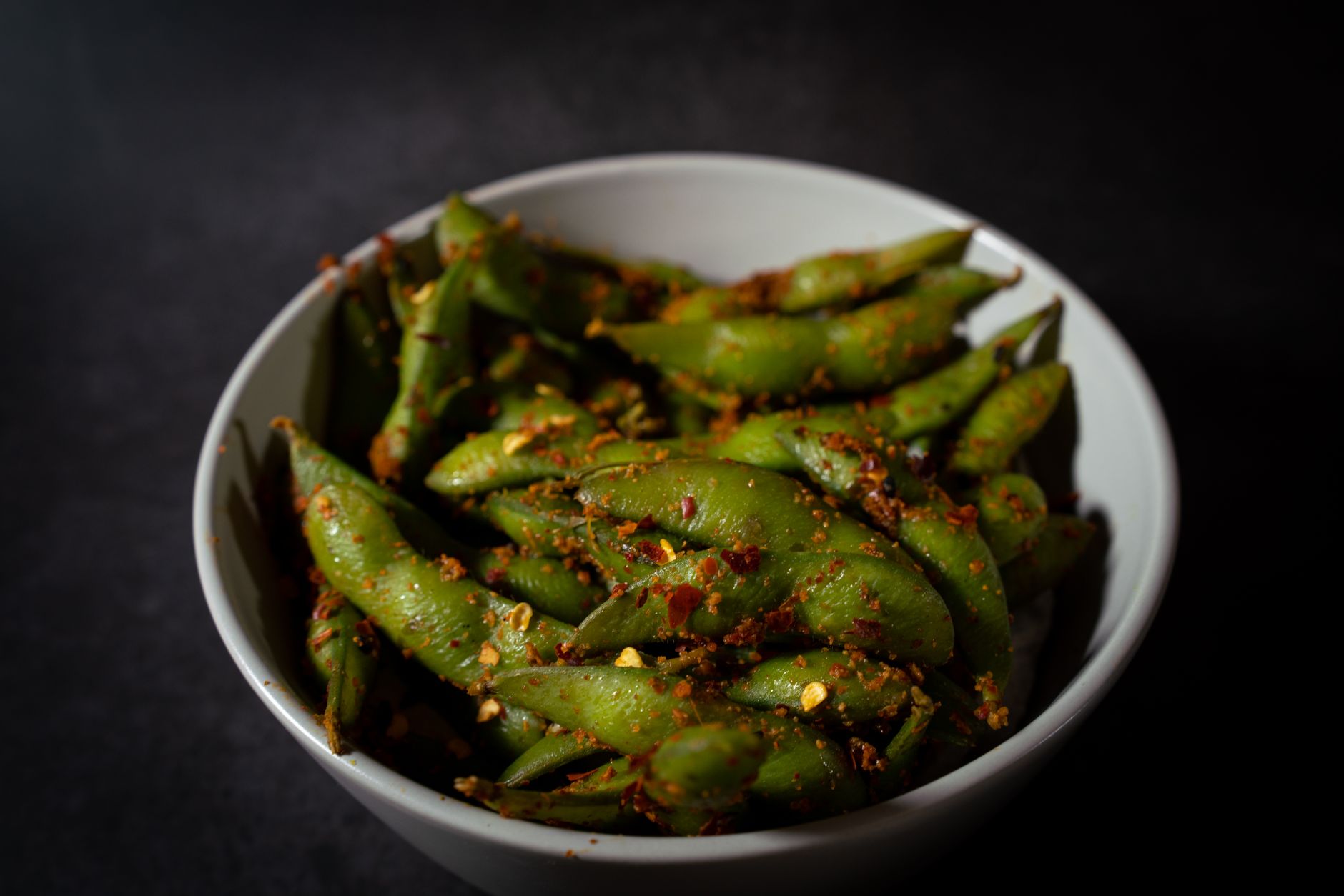
Edamame, the young green soybeans commonly found in Asian cuisine, are not only delicious but also packed with nutrients. Many people are curious about their protein content, particularly those following plant-based diets. Understanding how much protein is in edamame can help you incorporate this nutritious snack into your meals effectively.
This article will explore the protein content in edamame, serving sizes, nutritional benefits, cooking methods, and meal ideas to get the most out of this versatile ingredient.
How Much Protein in Edamame?
Edamame contains approximately 17 grams of protein per cup (cooked) or about 8.5 grams per half-cup serving. This makes it an excellent source of plant-based protein, especially beneficial for vegetarians and vegans looking to meet their protein needs effectively. Beyond protein, edamame is rich in fiber, vitamins, and minerals, further enhancing its nutritional profile.
Understanding Edamame
Edamame is essentially immature soybeans, harvested before they fully ripen. These green pods can be enjoyed boiled, steamed, or roasted, often served sprinkled with salt or dressed with various seasonings. They have a slightly sweet flavor and a tender yet firm texture, making them a popular snack and appetizer.
Nutritional Profile
In addition to protein, edamame offers several nutritional benefits:
- Calories: Approximately 189 calories per cup, cooked
- Fat: About 8 grams, primarily unsaturated fats
- Carbohydrates: Roughly 14 grams
- Fiber: Approximately 8 grams
- Vitamins and Minerals: High in folate, Vitamin K, and manganese
Benefits of Edamame
Edamame offers several health benefits related to its nutrient density:
- High in Protein: As discussed, edamame is an excellent plant-based protein source, making it suitable for those on vegetarian or vegan diets.
- Rich in Antioxidants: The antioxidants in edamame may help combat oxidative stress and reduce inflammation.
- Supports Heart Health: Edamame contains heart-healthy fats and fiber, which may support cardiovascular health.
- Bone Health: High levels of calcium and Vitamin K in edamame aid in maintaining bone health.
How to Prepare Edamame
Preparing edamame is simple and can be done in various ways. Here’s a basic guide to cooking edamame:
Boiling Edamame
- Bring a large pot of salted water to a rolling boil.
- Add the edamame pods to the boiling water.
- Boil for 3 to 5 minutes, until bright green and tender.
- Drain and rinse with cold water to stop the cooking process.
- Sprinkle with sea salt or your favorite seasoning before serving.
Steaming Edamame
- Fill a pot with a couple of inches of water and place a steaming basket inside.
- Bring the water to a boil.
- Add the edamame to the basket, cover, and steam for 5 to 8 minutes.
- Remove from the steamer and season as desired.
Roasting Edamame
- Preheat your oven to 400°F (200°C).
- Toss shelled edamame with olive oil, salt, and any additional spices.
- Spread the edamame on a baking sheet in a single layer.
- Roast for 20 to 25 minutes, tossing occasionally, until crispy.
Serving Suggestions
Edamame can be enjoyed in various ways, making it a versatile ingredient:
- As a Snack: Simply serve boiled or steamed edamame sprinkled with sea salt for a protein-packed snack.
- In Salads: Add shelled edamame to salads for a pop of color and protein.
- In Stir-Fries: Toss edamame into your favorite stir-fry dishes for added texture and nutrition.
- In Hummus: Blend shelled edamame into hummus for a twist on the traditional recipe.
Protein Alternatives
If you’re considering options aside from edamame, several other plant-based protein sources can easily fit into your diet:
- Lentils: Approximately 18 grams of protein per cooked cup.
- Chickpeas: About 15 grams of protein per cooked cup.
- Quinoa: Approximately 8 grams of protein per cooked cup.
- Black Beans: Roughly 15 grams of protein per cooked cup.
Incorporating Edamame into Meal Planning
When meal planning, consider how edamame can add flavor and nutrition to your meals:
- Batch Cooking: Cook a large batch of edamame to have on hand for quick snacks or meal additions.
- Complementary Flavors: Pair edamame with grains like brown rice or farro for a balanced meal.
- Meal Prep Containers: Portion out edamame in meal prep containers alongside other vegetables, grains, or proteins for easy access.
Storage and Shelf Life
Proper storage is essential to maintain the flavor and nutritional quality of edamame:
- Fresh Edamame: Store fresh edamame pods in the refrigerator for up to one week in a breathable container.
- Cooked Edamame: Keep cooked edamame in an airtight container in the fridge for 3 to 5 days.
- Frozen Edamame: Frozen edamame can last for 12 months or longer when kept in a sealed bag.
Common Mistakes to Avoid
When preparing or consuming edamame, consider avoiding these common pitfalls:
- Overcooking: Cooking edamame for too long can make them mushy and detract from their flavor. Monitor cooking times closely.
- Oil Overload: When roasting, be cautious with oil quantities to keep the calorie count balanced.
- Neglecting Seasoning: Edamame can benefit from various seasonings such as garlic powder, chili flakes, or sesame oil. Don’t forget to experiment.
Wrap-Up
Edamame is a nutrient-dense food that can easily fit into your diet. With the potential for 17 grams of protein per cup, it stands out as a fantastic plant-based option for protein and other nutrients. Whether served as a snack or incorporated into a main dish, edamame is flexible in the kitchen and offers numerous health benefits. Understanding how to prepare, store, and serve edamame can help you take full advantage of its nutritional properties.
Explore more about the health benefits of edamame at Is Edamame Healthy? and check out our delicious Protein Granola Recipe for more nutritious snack ideas.