
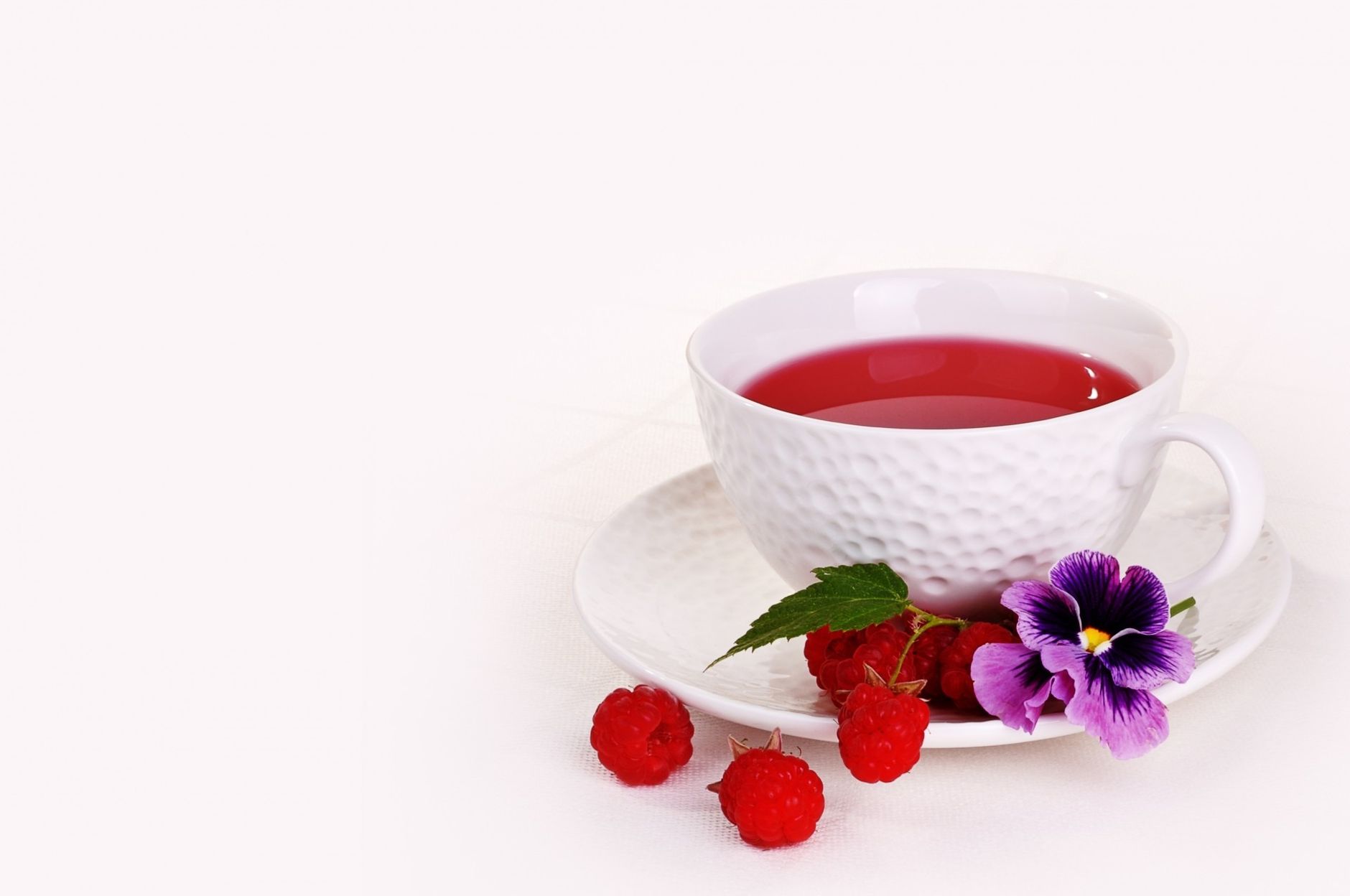
Raspberry leaf tea, made from the leaves of the raspberry plant, has captured the interest of many for its purported benefits and unique flavor. Known for its earthy notes and slight sweetness, raspberry leaf tea is primarily enjoyed for its soothing properties, especially among women. But what exactly does raspberry leaf tea do, and how can you incorporate it into your daily routine?
This article explores the benefits of raspberry leaf tea, its culinary uses, ingredient properties, preparation methods, and more. Whether you’re seeking to enjoy its flavors or its reputed health advantages, you’ll find everything you need to know about this herbal infusion.
What Does Raspberry Leaf Tea Do?
Raspberry leaf tea is known for several potential health benefits, particularly for women’s health. It is believed to ease menstrual cramps, support uterine health, and may even play a role during pregnancy. Many people also appreciate it for its mild, calming effects, making it a great option for relaxation.
Benefits and Uses of Raspberry Leaf Tea
Raspberry leaf tea has been consumed for centuries, especially in traditional herbal medicine. Here are some key benefits:
- Menstrual Relief: It is commonly used to alleviate symptoms associated with menstruation, such as cramps and bloating.
- Pregnancy Support: Many women drink raspberry leaf tea during pregnancy to help tone the uterus and prepare for childbirth. However, it’s advisable to consult with a healthcare provider before consumption during pregnancy.
- Rich in Nutrients: Raspberry leaves are high in vitamins like C and E, as well as minerals such as magnesium and calcium, which contribute to overall health.
- Digestive Aid: The tea may assist in digestion due to the tannins and astringent properties present in the leaves.
- Antioxidant Properties: Raspberry leaves contain antioxidants which can help combat oxidative stress in the body.
Where to Source Raspberry Leaf Tea
Raspberry leaf tea can be purchased in various forms, including dried loose leaves, tea bags, and extracts. Here’s where to find it:
- Health Food Stores: Many health food stores carry herbal teas, including raspberry leaf tea.
- Online Retailers: Numerous websites offer a wide selection of herbal teas, including organic options.
- Farmers’ Markets: Local markets may have vendors who specialize in herbal teas.
How to Prepare Raspberry Leaf Tea
Making raspberry leaf tea is straightforward. Here’s a simple guide to help you brew the perfect cup:
Ingredients Needed
- 1 to 2 teaspoons dried raspberry leaves (or one tea bag)
- 1 cup boiling water
- Optional: honey, lemon, or other flavor enhancers
Essential Equipment
- Teapot or heatproof cup
- Strainer (if using loose leaves)
- Measuring spoons
- Kettle or source for boiling water
Step-by-Step Brewing Method
- Boil water in a kettle or pot.
- Place the dried raspberry leaves or tea bag in a teapot or cup.
- Pour the boiling water over the leaves or tea bag.
- Cover and steep for 5 to 10 minutes, depending on desired strength.
- If using loose leaves, strain the tea into another cup. If using a tea bag, simply remove it.
- Add optional sweeteners or flavors, if desired.
- Enjoy your tea warm or let it cool for an iced version.
Flavor Profile of Raspberry Leaf Tea
Raspberry leaf tea has a mild, earthy flavor with a light sweetness that can be soothing. It lacks the bold flavors found in some teas, making it suitable for those who prefer a gentler taste. When prepared properly, it can be a delightful beverage at any time of day. Pairing it with honey or lemon can enhance its flavors further.
Variations and Customizations
If you’d like to experiment with raspberry leaf tea, here are some tasty variations:
Herbal Blends
- Raspberry and Mint: Adding a few fresh mint leaves gives a refreshing twist.
- Spiced Raspberry: Incorporate a pinch of cinnamon or ginger for a warming, spiced flavor.
- Raspberry Citrus: Blend in some lemon or orange zest for a citrusy kick.
Chilled Variations
- Iced Raspberry Leaf Tea: Brew a strong batch and serve it over ice with fresh fruit slices.
- Raspberry Leaf Lemonade: Mix brewed raspberry leaf tea with lemonade for a refreshing summer drink.
Storage of Dried Raspberry Leaves
To preserve the potency and freshness of dried raspberry leaves, store them in a cool, dark place. Here are some tips:
- Use an airtight container to reduce exposure to air.
- Keep away from direct sunlight and heat sources.
- Check for any signs of moisture or spoilage before use.
Common Mistakes and Troubleshooting
When preparing raspberry leaf tea, keeping an eye on a few common pitfalls can make a difference:
- Over-steeping: Leaving the tea to steep for too long may lead to bitterness. Aim for 5 to 10 minutes.
- Insufficient Temperature: Be sure to use boiling water for optimal extraction of flavors and nutrients.
- Storing Improperly: Keeping the leaves in humid or bright conditions can spoil the quality of your tea.
Frequently Asked Questions About Raspberry Leaf Tea
Is raspberry leaf tea safe for everyone?
While many people can enjoy raspberry leaf tea, it’s best for pregnant women to consult with a healthcare provider before incorporating it into their diet, especially during the first trimester.
Can I drink raspberry leaf tea every day?
For most people, moderate daily consumption is fine. However, it’s wise to listen to your body and adjust intake based on personal comfort and any adverse reactions.
How does raspberry leaf tea compare to other herbal teas?
Raspberry leaf tea is milder than many other herbal teas, making it a good choice for those who prefer subtle flavors. While it’s best known for its benefits related to women’s health, other herbal teas may have more pronounced effects, depending on their botanical properties.
Conclusion
Raspberry leaf tea offers a plethora of benefits, especially for women’s health, alongside its soothing and delicious flavor. By understanding its uses, preparation methods, and variations, you can easily incorporate raspberry leaf tea into your daily routine for enjoyment and potential wellness purposes.
Explore more about healthful herbal infusions in your kitchen through links such as the dandelion tea recipe or learn how to make chia pudding with coconut milk. Start expanding your herbal tea repertoire today!