
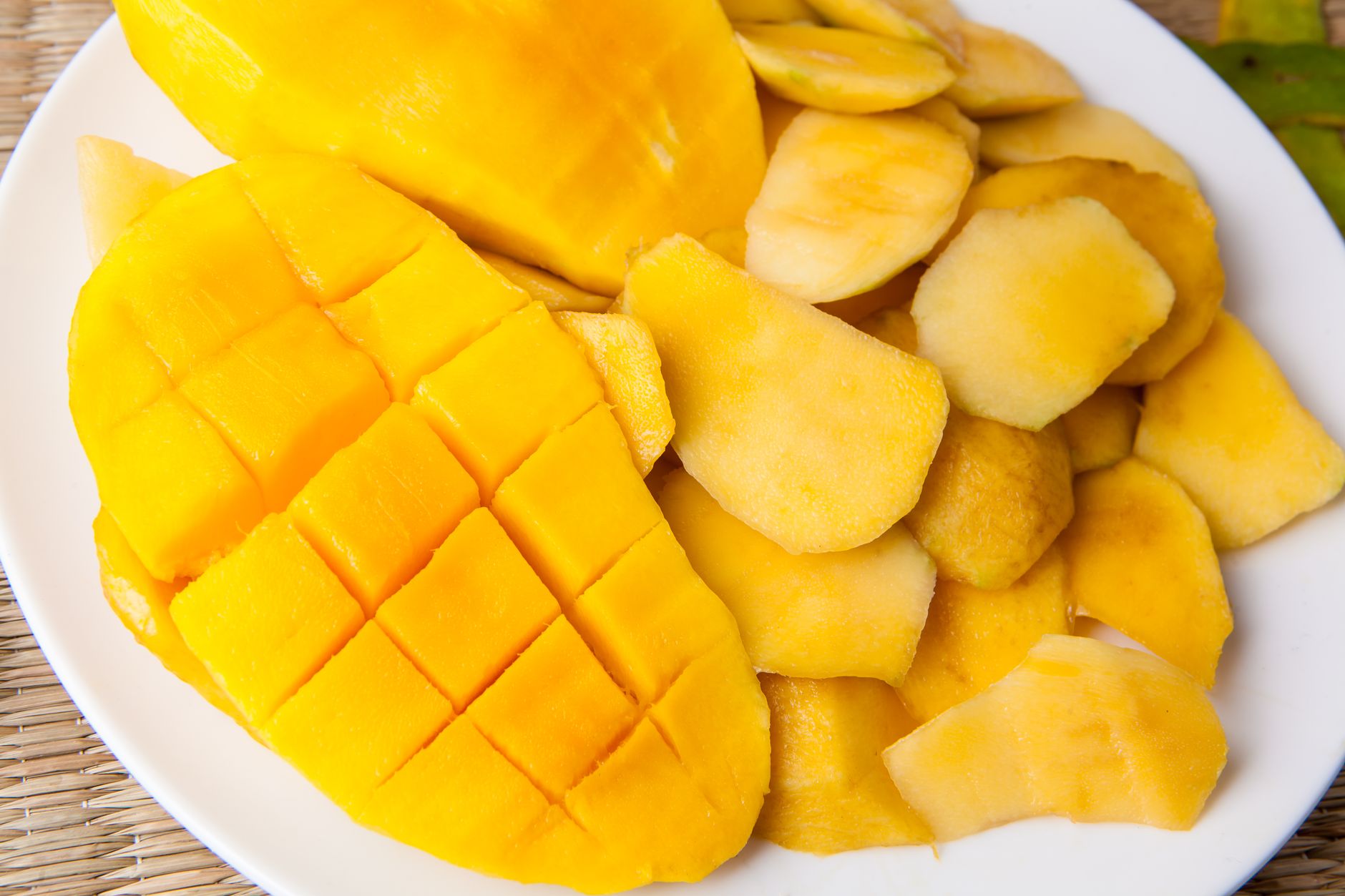
Mangoes are not only a delicious tropical fruit but also packed with various nutrients. One question that often arises is whether mangoes contain fiber. Understanding the fiber content in mangoes can help you incorporate them into a balanced diet effectively.
This article delves into the fiber content of mangoes, their nutritional profile, serving sizes, and how to enjoy them in your meals. We’ll also explore practical tips for preparing mangoes and how they can fit into your dietary needs.
Does Mango Have Fiber?
Yes, mangoes do have fiber. A typical serving of mango contains about 5 grams of dietary fiber. This fiber contributes to digestive health and can aid in maintaining a balanced diet.
Nutritional Profile of Mango
To understand the overall health benefits of mangoes, let’s look at their nutritional content in detail. A one-cup serving of diced mango (approximately 165 grams) offers the following:
- Calories: 99
- Total Fat: 0.6 g
- Carbohydrates: 25 g
- Dietary Fiber: 5 g
- Sugars: 23 g
- Protein: 1.4 g
- Vitamin C: 67% of the daily value
- Vitamin A: 18% of the daily value
- Folate: 18% of the daily value
- Potassium: 6% of the daily value
Mangoes are an excellent source of vitamin C, which helps boost the immune system, and vitamin A, essential for eye health. The fiber content aids in digestion and can help you feel fuller for longer.
Understanding Fiber in Mangoes
Fiber is a crucial component of a healthy diet and plays several roles in the body. There are two types of dietary fiber: soluble and insoluble. Mangoes contain both types, providing unique benefits:
- Soluble Fiber: This type of fiber can help lower blood sugar levels and cholesterol. It forms a gel-like substance in the gut, which slows digestion and absorption of nutrients.
- Insoluble Fiber: This helps to add bulk to the stool and promotes regular bowel movements, contributing to overall digestive health.
Health Benefits of Fiber
Incorporating fiber into your diet through mangoes or other foods provides several health benefits:
- Improved Digestive Health: Fiber aids digestion and prevents constipation.
- Weight Management: High-fiber foods can increase satiety, helping to control appetite.
- Blood Sugar Control: Fiber can stabilize blood sugar levels by slowing digestion.
- Lowered Cholesterol: Soluble fiber can help reduce LDL (“bad”) cholesterol levels.
- Reduced Risk of Chronic Diseases: A fiber-rich diet is associated with a lower risk of heart disease, diabetes, and certain cancers.
Serving Sizes for Mango
When considering how to include mangoes in your diet, it’s helpful to know the recommended serving sizes. Here are a few practical guidelines:
- A standard serving size of mango is approximately one cup of diced fruit.
- For most recipes, half a mango (fresh, peeled, and sliced) is commonly used, providing roughly 2.5 grams of fiber.
- For smoothies, you can blend one full mango, which will contribute about 5 grams of fiber per serving.
Incorporating Mango into Your Diet
Mangoes can be enjoyed in many forms. Here are some ideas for incorporating mango into your meals:
Fresh Mango
Fresh mango is a simple and delicious snack. Just peel, slice, and enjoy. Combine it with a sprinkle of lime juice and chili powder for a unique flavor combination.
Mango Smoothies
Blend fresh mango with yogurt, a banana, and a splash of almond milk for a refreshing smoothie. This is an excellent way to increase your fiber intake while enjoying a delicious treat.
Mango Salsa
Mix diced mango with tomatoes, onion, cilantro, lime juice, and jalapeños. This fresh salsa can elevate any dish, from tacos to grilled chicken.
Mango in Salads
Add cubed mango to a spinach salad along with avocado, nuts, and a citrus vinaigrette. The sweetness of the mango complements the savory flavor of the greens.
Practical Tips for Preparing Mango
Preparing fresh mangoes can be tricky for some. Follow these tips to make the process easier:
- Choose a ripe mango. It should be slightly soft to the touch and have a sweet aroma.
- Wash the mango under running water before peeling or cutting.
- To cut, stand the mango upright and slice off each side of the pit, creating two thick “cheeks.”
- Score the flesh in a crisscross pattern and scoop it out with a spoon, or slice it into cubes directly on the skin.
Common Mistakes When Handling Mangoes
When dealing with mangoes, a few common mistakes can hinder your experience:
- Choosing underripe mangoes, which can lead to a tart taste and hard texture.
- Cutting too close to the pit, wasting a portion of the fruit.
- Peeling before slicing, which can make it more challenging to cut the fruit evenly.
Storage of Mangoes
Proper storage can keep mangoes fresh and delicious:
- Store unripe mangoes at room temperature until they ripen.
- Once ripe, you can refrigerate mangoes for up to five days to prolong freshness.
- Cut mango should be stored in an airtight container in the fridge for 1-2 days.
Potential Fiber Substitutions and Variations
If you are looking to increase your fiber intake but don’t have mango on hand, consider these alternatives:
- Bananas: A similar tropical flavor and texture, providing about 3 grams of fiber per medium banana.
- Pineapple: Another tropical option, containing about 2.3 grams of fiber per cup.
- Apples: A common fruit with about 4 grams of fiber per medium apple, offering similar sweetness.
Mango Fiber and Dietary Preferences
Mangoes can fit into a variety of dietary plans. Here are a few considerations:
- Vegan and Vegetarian Diets: Mangoes are plant-based, making them an excellent addition to all kinds of vegetarian diets.
- Gluten-free Diets: Naturally gluten-free, mangoes can be enjoyed by those with celiac disease or gluten sensitivities.
- Keto Diet: While mangoes are nutritious, their carbohydrate content is relatively high. If you’re following a keto diet, enjoy mango in moderation.
Conclusion
Mangoes are not only delicious but also a good source of dietary fiber and essential vitamins. With about 5 grams of fiber per serving, they can contribute positively to your digestive health and overall nutrition.
Consider incorporating mangoes into various meals, from fresh salads to smoothies, to enhance both flavor and fiber content in your diet. They are versatile and can be prepared in numerous ways to suit your culinary preferences.
For more culinary inspiration, explore our offerings such as delicious mango bread or try out the spicy mango habanero sauce for an exciting flavor kick.