
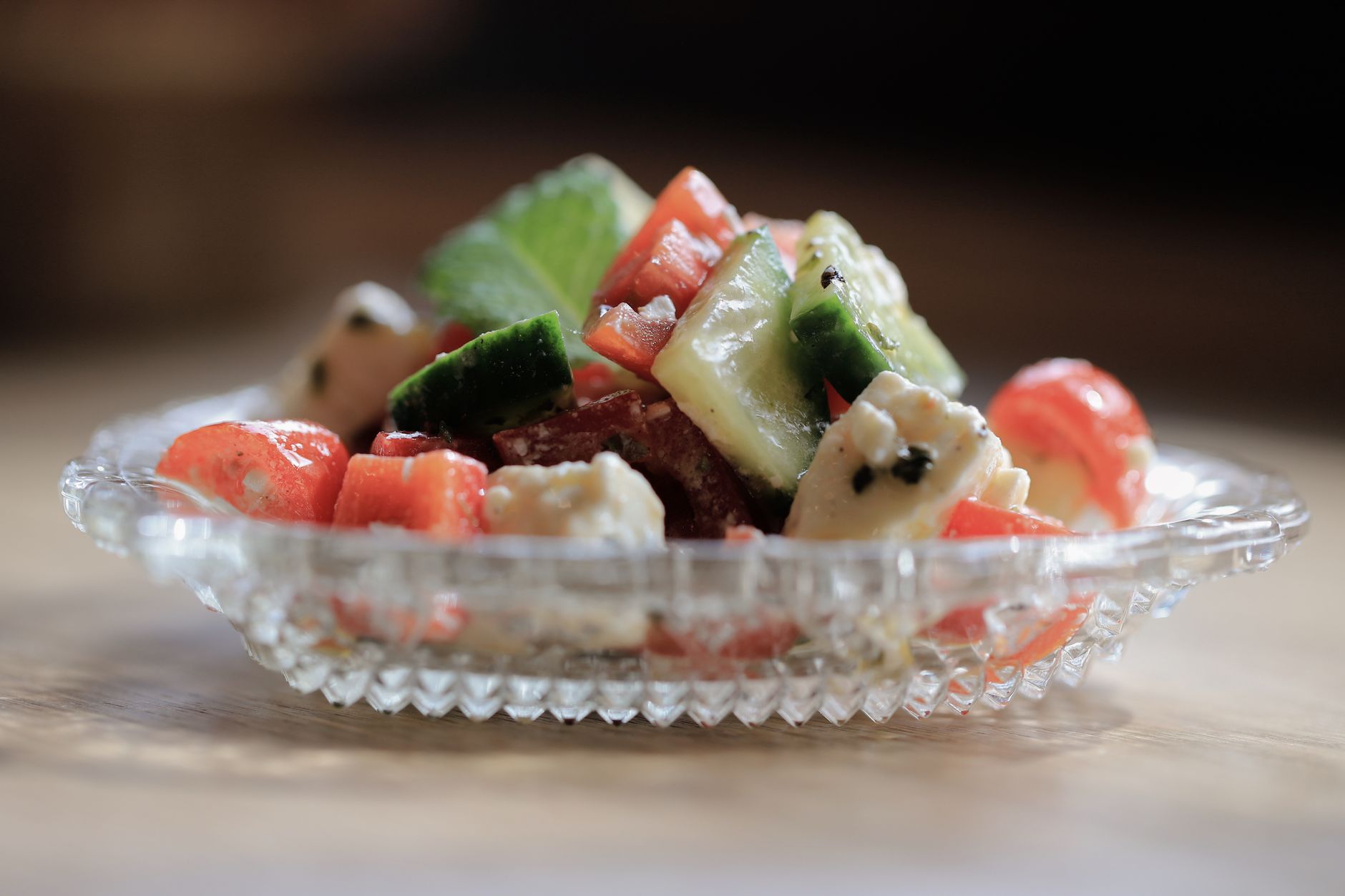
When pregnant, many women find themselves reconsidering their dietary habits. This transformation often leads to questions about the safety of certain foods, including feta cheese. Feta is a popular cheese known for its tangy flavor and crumbly texture, often used in salads, pastries, and Mediterranean dishes. The question looms: Can you eat feta cheese while pregnant?
The answer is not entirely straightforward as it depends on the type of feta cheese consumed. Understanding the safety around feta during pregnancy and how to enjoy it within your diet can help alleviate concerns while still enjoying this flavorful ingredient.
Can You Eat Feta Cheese While Pregnant?
Yes, you can eat feta cheese while pregnant, but it must be pasteurized. Pasteurized feta cheese is safe to consume as it has undergone a heating process eliminating harmful bacteria such as Listeria and Salmonella. These bacteria can pose risks to the pregnant woman and her developing baby. Always check the label of the cheese to ensure it is labeled as pasteurized.
Understanding Pasteurization
Pasteurization is a process of heating food and beverages to a specified temperature for a defined period to kill harmful bacteria without significantly affecting the food’s quality. In many countries, including the United States and Canada, most commercial feta cheese is pasteurized. However, however, it can also be found in varying forms, such as raw (unpasteurized) and artisanal varieties, which carry added risks during pregnancy.
Health Risks of Unpasteurized Feta Cheese
- Listeria: A bacterium that can grow well in refrigerated environments. It can lead to serious infections, miscarriage, or stillbirth.
- Salmonella: This bacteria is commonly associated with food poisoning. It can cause severe gastrointestinal symptoms.
Pregnant women have a higher risk of contracting these infections, so committing to pasteurized products is imperative. Always consult your healthcare provider if unsure about a specific cheese or food item during pregnancy.
How to Safely Enjoy Feta Cheese While Pregnant
While feta cheese can be enjoyed safely during pregnancy, here are some easy guidelines to follow:
Choose Pasteurized Products
Look specifically for pasteurized feta cheese at your local grocery store. Most mainstream brands will clearly label their products, making it easier to identify safe options.
Keep It Fresh
Once opened, feta cheese should be consumed within a week or two. Always store it in the refrigerator, submerged in its brine or a mild flavor solution to maintain freshness.
Incorporate in Dishes
Feta cheese can be a delightful addition to salads, omelets, or baked dishes. Consider the following recommendations when incorporating it into your meals:
- Add crumbled feta to a spinach and strawberry salad topped with walnuts for a flavorful bite.
- Fold feta into scrambled eggs or improve your omelet with herbs for a savory treat.
- Bake feta with roasted vegetables for an easy yet delicious side dish.
Feta Cheese Substitutes for Pregnancy
If you find yourself unable to access pasteurized feta or want to explore alternatives, there are several substitutes you can consider.
- Goat Cheese: Similar in texture but creamier, this cheese can be safely consumed if pasteurized.
- Cottage Cheese: While less tangy, it offers a similar texture and can be used in salads or baked dishes.
- Ricotta Cheese: The mild flavor makes it a versatile alternative. Ensure it’s also pasteurized.
- Queso Fresco: This cheese can mimic feta’s texture if made from pasteurized milk.
With these substitutes, you can still enjoy that creamy, delicious element in dishes while ensuring food safety during pregnancy.
Creative Ways to Use Feta Cheese in Meals
Feta cheese can elevate numerous dishes, making meal preparation fun and flavorful. Here are several ideas to inspire your cooking adventures:
Feta and Spinach Stuffed Chicken
This dish combines the robust flavor of feta with tender chicken, creating an elegant meal perfect for any occasion.
Ingredients:
- 4 boneless, skinless chicken breasts
- 1 cup fresh spinach, chopped
- 1 cup feta cheese, crumbled
- 2 cloves garlic, minced
- Olive oil
- Salt and pepper to taste
Method:
- Preheat your oven to 375°F (190°C).
- In a skillet, heat a tablespoon of olive oil over medium heat. Add garlic until fragrant, about 1 minute, then stir in spinach until wilted.
- In a bowl, combine the spinach, feta, salt, and pepper.
- Using a sharp knife, create a pocket in each chicken breast. Fill it with the spinach mixture.
- Heat a skillet with olive oil on medium-high and sear the chicken breasts for about 3-4 minutes on each side until golden brown.
- Transfer the chicken to a baking dish and bake for 20-25 minutes until fully cooked.
Feta and Watermelon Salad
This refreshing salad pairs sweet watermelon with tangy feta for a delightful summer dish.
Ingredients:
- 4 cups watermelon, cubed
- 1 cup feta cheese, crumbled
- Mint leaves for garnish
- 2 tablespoons balsamic vinegar
- Salt and pepper to taste
Method:
- In a large bowl, combine watermelon and feta cheese.
- Drizzle with balsamic vinegar and gently mix.
- Season with salt and pepper, then garnish with mint leaves before serving.
Oven-Baked Feta Pasta
This viral dish has gained popularity for its simplicity and delicious flavors, perfect for livening up your weekly meal plan.
Ingredients:
- 1 block of feta cheese (pasteurized)
- Cherry tomatoes (2 cups)
- Olive oil (1/4 cup)
- 1 lb pasta (penne or farfalle recommended)
- Salt, pepper, and Italian seasoning to taste
- Fresh basil for garnish
Method:
- Preheat the oven to 400°F (200°C).
- In a baking dish, toss together cherry tomatoes, olive oil, and seasonings. Place the feta in the center.
- Bake for 30 minutes until the tomatoes burst and the feta is soft.
- Meanwhile, cook the pasta according to package instructions.
- Once baked, mix the feta with tomatoes, add the cooked pasta, and garnish with fresh basil.
Nutrition Considerations for Pregnant Women
Feta cheese can provide valuable nutrients during pregnancy. Here are some benefits of including feta in your diet:
- Calcium: Essential for fetal bone development and maternal health.
- Protein: Important for building body tissues, especially during the rapid growth of pregnancy.
- Vitamins: Feta contains vitamins B12 and A, which support overall health and energy levels.
However, moderation is key, as feta is often high in sodium. Balancing your intake with other nutrient-rich foods will help maintain a well-rounded diet throughout pregnancy.
Common Mistakes When Consuming Feta Cheese During Pregnancy
While indulging in feta cheese, here are common mistakes to avoid:
- Not Checking Labels: Always verify the pasteurization status on the cheese packaging before buying.
- Consuming Large Amounts: Due to the sodium content, it’s sometimes better to limit servings.
- Using Leftover Feta Beyond its Shelf Life: Always check expiration dates and storage guidelines.
Being mindful of these points will help ensure that you enjoy feta cheese safely while reaping its nutritional benefits.
Consulting with Healthcare Providers
Every pregnancy is unique, and dietary needs may vary. If you have any concerns or specific dietary restrictions, it’s recommended to consult your healthcare provider or a nutritionist. They can help tailor advice to your individual needs, ensuring both you and your baby receive the proper nutrition.
Feta cheese can indeed be a flavorful addition to your pregnancy diet, as long as safety precautions and best practices are followed. Embrace the tangy goodness of feta while enjoying your meals, making informed decisions about your food choices during this important time in your life.
To explore more about incorporating various foods into your diet during pregnancy, check out some tips on healthy snacks, cooking techniques, or ingredient substitutions that will help you navigate your culinary options. Enjoy your cooking journey while keeping your health a priority.