
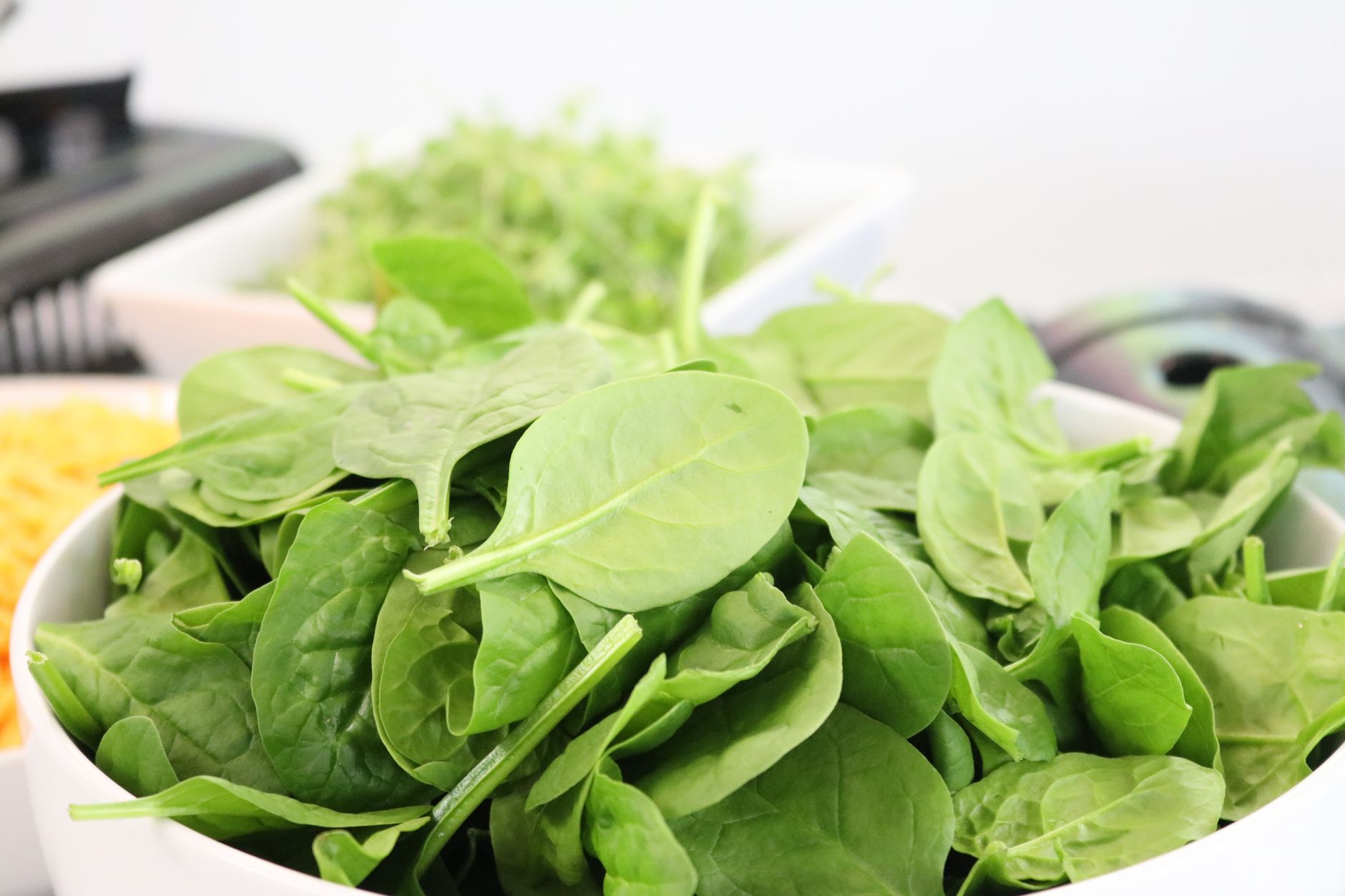
Spinach is a versatile leafy green that can enhance countless dishes with its distinct flavor and vibrant color. Beyond its culinary appeal, spinach boasts impressive nutritional benefits, particularly in its fiber content. Understanding how much fiber is in spinach can guide your dietary choices, helping you incorporate this nutritional powerhouse effectively into your meals.
In this article, we will explore the fiber content in spinach, its health benefits, how to prepare and use spinach in various dishes, and practical tips for meal planning and storage. By the end, you will have a comprehensive understanding of this remarkable vegetable and how to include it in your meals to boost your fiber intake.
How Much Fiber in Spinach?
Spinach contains about 2.2 grams of dietary fiber per 100 grams (approximately 3.5 ounces) when raw. When cooked, the fiber content becomes more concentrated due to the reduction in volume, providing around 2.8 grams of fiber per 100 grams of cooked spinach. Including spinach in your diet contributes to your daily fiber intake, essential for digestive health and maintaining overall wellness.
Nutritional Breakdown of Spinach
To fully appreciate the benefits of spinach, it’s essential to look beyond fiber and examine its overall nutritional profile. Here’s a general overview per 100 grams of raw spinach:
- Calories: 23
- Protein: 2.9 grams
- Carbohydrates: 3.6 grams
- Dietary Fiber: 2.2 grams
- Sugars: 0.4 grams
- Fat: 0.4 grams
- Vitamins: High in Vitamin A, Vitamin C, and Vitamin K
- Minerals: Rich in iron, calcium, and magnesium
This nutrient-dense profile makes spinach an excellent choice for those looking to increase their fiber and micronutrient intake while keeping calories in check.
Health Benefits of Fiber in Spinach
Including fiber in your diet is crucial for various reasons, particularly the soluble and insoluble types of fiber found in spinach.
1. Promotes Digestive Health
The fiber in spinach adds bulk to your stool and aids in regular bowel movements, reducing the risk of constipation. By maintaining digestive health, you can improve nutrient absorption and overall well-being.
2. Supports Heart Health
Fiber helps lower cholesterol levels and improve heart health. High-fiber diets, including those rich in vegetables like spinach, can reduce the risk of heart disease.
3. Aids in Weight Management
High-fiber foods make you feel fuller for longer, helping to control appetite and reduce overall calorie intake. This property makes spinach an ideal base for salads or a side dish to any meal.
4. Regulates Blood Sugar Levels
Incorporating fiber into your meals can help stabilize blood sugar levels. This is especially beneficial for individuals managing diabetes or those concerned about blood sugar spikes.
How to Prepare and Use Spinach
Spinach can be enjoyed in a variety of dishes, whether raw or cooked. Here are some practical methods for incorporating spinach into your meals:
Raw Spinach
- Salads: Toss fresh spinach leaves in your favorite dressing along with other vegetables, fruits, nuts, or proteins for a nutrient-packed salad.
- Smoothies: Blend fresh spinach into smoothies for an added nutritional boost without altering the taste significantly.
- Sandwiches and Wraps: Add raw spinach to sandwiches and wraps for added texture and nutrition.
Cooked Spinach
- Sauteed: Quickly sauté spinach in olive oil with garlic, salt, and pepper for a simple side dish.
- In Soups: Add fresh or frozen spinach to soups and stews for extra flavor and nutrition.
- In Omelets: Incorporate spinach into egg dishes like omelets or frittatas for a delicious, savory breakfast.
Practical Tips for Meal Planning with Spinach
When planning meals that incorporate spinach, consider the following tips:
1. Choose Fresh or Frozen
Fresh spinach has a shorter shelf life compared to frozen spinach. If you’re not planning to use it within a few days, consider purchasing frozen spinach, which retains most of its nutritional benefits and can be easily added to many meals.
2. Batch Cooking
Cooked spinach can be stored in the refrigerator for about 3 to 5 days. Preparing spinach in batches can save time during the week. Simply sauté or steam a large portion, and portion it out for use in various dishes.
3. Ingredient Pairings
Think about complementary flavors when incorporating spinach into your meals. Ingredients such as feta cheese, lemon, garlic, nuts, and various proteins pair beautifully with spinach.
Common Mistakes When Using Spinach
While spinach is a versatile ingredient, several common errors can detract from its quality and health benefits:
1. Overcooking
Cooking spinach for too long can cause it to lose its vibrant color and texture. Quick cooking methods like sautéing or steaming are best for retaining nutrients.
2. Ignoring Seasoning
Spinach can be bland on its own. Remember to season it well with salt, pepper, or other spices to enhance the flavor profile when serving cooked spinach.
3. Not Washing Thoroughly
Spinach leaves can harbor dirt and grit, especially if grown conventionally. Always wash spinach thoroughly under running water to remove any remaining soil or pesticides.
Storage Tips for Spinach
Proper storage can prolong the freshness of spinach, whether fresh or cooked:
Fresh Spinach
- Store fresh spinach in the refrigerator in a breathable bag or container to allow for airflow.
- Avoid washing fresh spinach until just before use to prevent moisture from speeding up spoilage.
Cooked Spinach
- Once cooked, let spinach cool before transferring it to an airtight container to store in the refrigerator.
- For longer storage, cooked spinach can be frozen for up to 3 months. Portion it out for easy use in future meals.
Variations and Substitutions
If you’re looking to diversify your diet while keeping spinach as a base, consider these substitutions and variations:
1. Other Leafy Greens
Other greens such as kale, Swiss chard, or collard greens can be used interchangeably with spinach in most recipes. They may have different cooking times and flavors, so adjust accordingly.
2. Frozen vs. Fresh Spinach
Frozen spinach is convenient and often more affordable. Use it in cooked dishes but remember that it has a different texture compared to fresh spinach, making it less suitable for salads.
3. Flavor Enhancements
Experiment with different herbs and spices such as nutmeg, red pepper flakes, or balsamic vinegar to vary the flavor profiles when cooking spinach.
Creative Ways to Serve Spinach
Spinach can take many forms in your meals beyond traditional presentations:
- Spinach Pesto: Blend spinach with garlic, nuts, Parmesan cheese, and olive oil for a unique take on pesto sauce.
- Spinach and Cheese Stuffed Shells: Fill pasta shells with a mixture of ricotta, spinach, and mozzarella for a hearty meal.
- Spinach Lasagna: Layer cooked spinach with ricotta and marinara sauce in lasagna for added nutrition.
The Bottom Line
Understanding the fiber content in spinach allows you to better incorporate this nutritious green into your meals. With around 2.2 grams of fiber per 100 grams of raw spinach and various culinary uses, this vegetable is not only a fantastic addition to your diet but also a versatile ingredient that enhances meals. Whether used raw or cooked, spinach delivers an array of health benefits.
Consider your meal planning and preparation techniques to incorporate spinach effectively into your weekly menu. Enjoy exploring the diverse forms and flavors that spinach can bring to your table!
If you’re interested in learning more about other nutritious fruits and vegetables, check out our guides on fiber in bananas and protein in spinach. These resources will help you build a balanced diet centered around wholesome ingredients.