
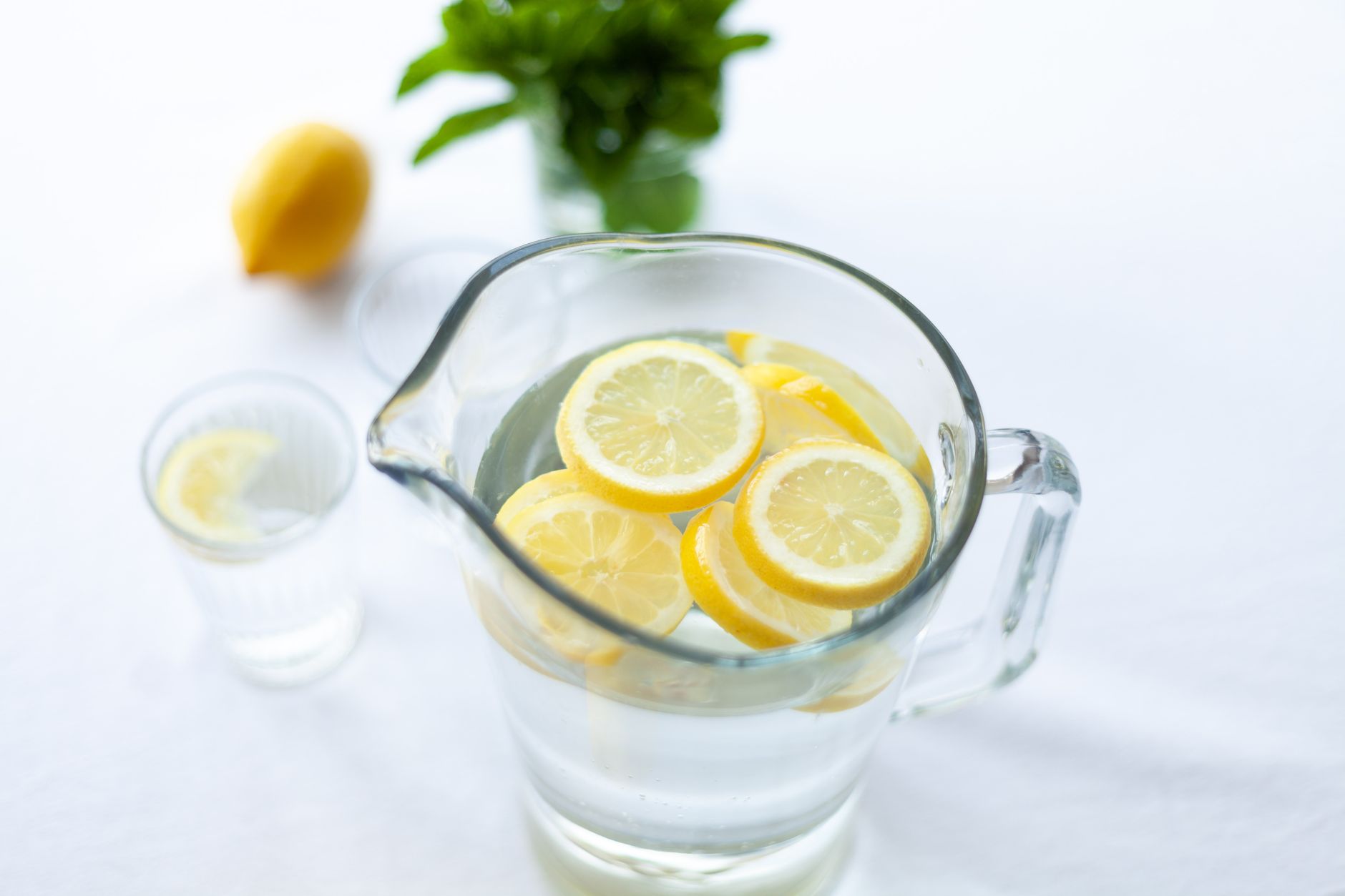
Lemon water is a simple yet refreshing drink that combines the bright, zesty flavor of fresh lemons with water. It’s not only a delightful way to stay hydrated but also offers numerous potential benefits that many seek to enjoy in their daily wellness routines.
This article will explore what lemon water does, including its taste, texture, and various kitchen uses. You’ll discover how to prepare lemon water, along with tips for serving and enhancing this invigorating beverage.
What Does Lemon Water Do?
Lemon water serves several purposes, primarily enhancing hydration while adding a burst of flavor. The drink is rich in vitamin C and can contribute to overall wellness, digestion, and the enjoyment of a refreshing beverage. It’s a versatile ingredient that can be used in various recipes or enjoyed on its own.
Flavor Profile of Lemon Water
The taste of lemon water is light, refreshing, and slightly tangy. The acidity of the lemon juice balances well with the neutral flavor of water, making it an enjoyable drink for various occasions. Depending on how much lemon you use, it can range from mildly citrusy to intensely zesty.
Texture of Lemon Water
In terms of texture, lemon water is crisp and clear, with a light, buoyant mouthfeel that is pleasing to sip. The addition of ice cubes can enhance this refreshing characteristic. If lemon slices or wedges are added, they provide visual appeal and a hint of extra flavor as they infuse the water.
How to Prepare Lemon Water
Making lemon water is straightforward and requires minimal ingredients. Here’s how to prepare it effectively:
Ingredients
- 1 fresh lemon
- 2 cups of cold or room-temperature water
- Ice cubes (optional)
- Mint leaves or other herbs (optional, for flavor enhancement)
Essential Equipment
- A sharp knife
- A cutting board
- A measuring cup
- A glass or pitcher for serving
Instructions
- Wash the lemon thoroughly under running water.
- Cut the lemon in half and squeeze the juice from one half into a measuring cup, discarding any seeds.
- Add the fresh lemon juice to two cups of water.
- Stir well to combine, and add ice cubes if desired.
- Slice the other half of the lemon and add slices to the drink for added flavor and decoration.
- Include mint leaves or other herbs as desired for an additional layer of flavor.
Kitchen Uses of Lemon Water
Lemon water can be enjoyed in several ways, showcasing its versatility in the kitchen.
Beverages
Lemon water is a delightful standalone beverage but can also be used as a base for cocktails, smoothies, or iced teas. Its bright flavor enhances both alcoholic and non-alcoholic drinks.
Salad Dressings
Use lemon water as an ingredient in homemade salad dressings. Combine it with olive oil, honey, mustard, or herbs for a refreshing vinaigrette. The acidity of the lemon enhances the flavors of greens and vegetables.
Cooking and Marinades
In cooking, lemon water can be incorporated into marinades for chicken, fish, or vegetables. The acidity helps to tenderize proteins while imparting a fresh flavor. Mix lemon water with herbs, garlic, and spices to create a balanced marinade.
Soups and Stews
Adding a splash of lemon water to soups and stews can brighten up rich flavors, making them more vibrant and appealing. It’s particularly effective in dishes like lentil soup or vegetable stews, where bright acidity elevates the flavors.
Infused Waters
Lemon water can serve as a base for various infused waters. Combine lemon slices with fruits like strawberries, cucumbers, or herbs such as basil and mint for a refreshing twist.
Health Benefits: What Does Lemon Water Potentially Do for You?
While lemon water is enjoyed primarily for its refreshing taste, it may also offer some health benefits, although these are not guaranteed and should be viewed with consideration.
Hydration
Staying hydrated is crucial for overall health, and lemon water can make drinking water more enjoyable. Proper hydration supports numerous bodily functions, including digestion, temperature regulation, and nutrient transport.
Vitamin C Source
Lemons provide a significant amount of vitamin C. This vitamin is essential for the immune system, skin health, and antioxidant protection. Consuming lemon water can contribute to your daily vitamin C intake, although you would need to drink it regularly for real benefits.
Aids Digestion
Some individuals find that lemon water can help with digestion, especially when consumed in the morning. The acidity in lemons may stimulate the production of stomach acid, which can enhance the digestion process.
Weight Management
While there’s no magic solution for weight loss, some people believe that drinking lemon water can help with appetite control. It is low in calories and may encourage better hydration, potentially reducing cravings and snacking.
Freshens Breath
Lemon water can also help freshen breath, attributed to the natural acidity in lemons that may eliminate bacteria in the mouth. However, it is important to also rinse your mouth afterward, as citric acid can erode tooth enamel over time.
Skin Health
The vitamin C in lemons may contribute to skin health. Hydration combined with the antioxidant properties of lemon can promote healthier skin, though more direct studies are needed to draw profound conclusions.
Tips for Serving Lemon Water
Here are some ideas to enhance your lemon water experience:
- Add a splash of honey for natural sweetness without refined sugar.
- Experiment with different herbs and fruits, such as lavender, rosemary, or berries.
- Serve chilled with ice or blend it for a slushy texture.
- Infuse overnight in the refrigerator for a more potent lemon flavor.
Common Mistakes to Avoid When Preparing Lemon Water
To ensure you enjoy the best lemon water experience, here are some common mistakes to avoid:
- Using bottled lemon juice instead of fresh lemons can lead to a less vibrant flavor.
- Not straining lemon water can result in bitterness from the lemon seeds and pulp.
- Consuming lemon water too frequently without rinsing afterward can lead to enamel erosion.
Storage and Make-Ahead Guidance
Lemon water is best consumed fresh, though you can prepare it in advance:
- Store lemon water in an airtight pitcher in the refrigerator for up to 24 hours.
- If preparing infused versions, consume them within a day for the best flavor and quality.
Substitutions and Variations of Lemon Water
If you’re looking for variations on lemon water or suitable substitutions, consider the following alternatives:
- Replace lemon with lime for a different citrus flavor.
- Add other citrus fruits like grapefruit or orange for unique taste profiles.
- Use sparkling water instead of still for a fizzy version.
Conclusion
Lemon water is a delicious and refreshing beverage that not only enhances hydration but may also offer several potential health benefits. Whether enjoyed on its own or incorporated into various dishes and drinks, it serves as a versatile ingredient that can be easily adapted to personal tastes and preferences.
Explore more ways to use lemons in your kitchen with our lemon pepper seasoning recipe or treat yourself to a delightful lemon dump cake recipe!