
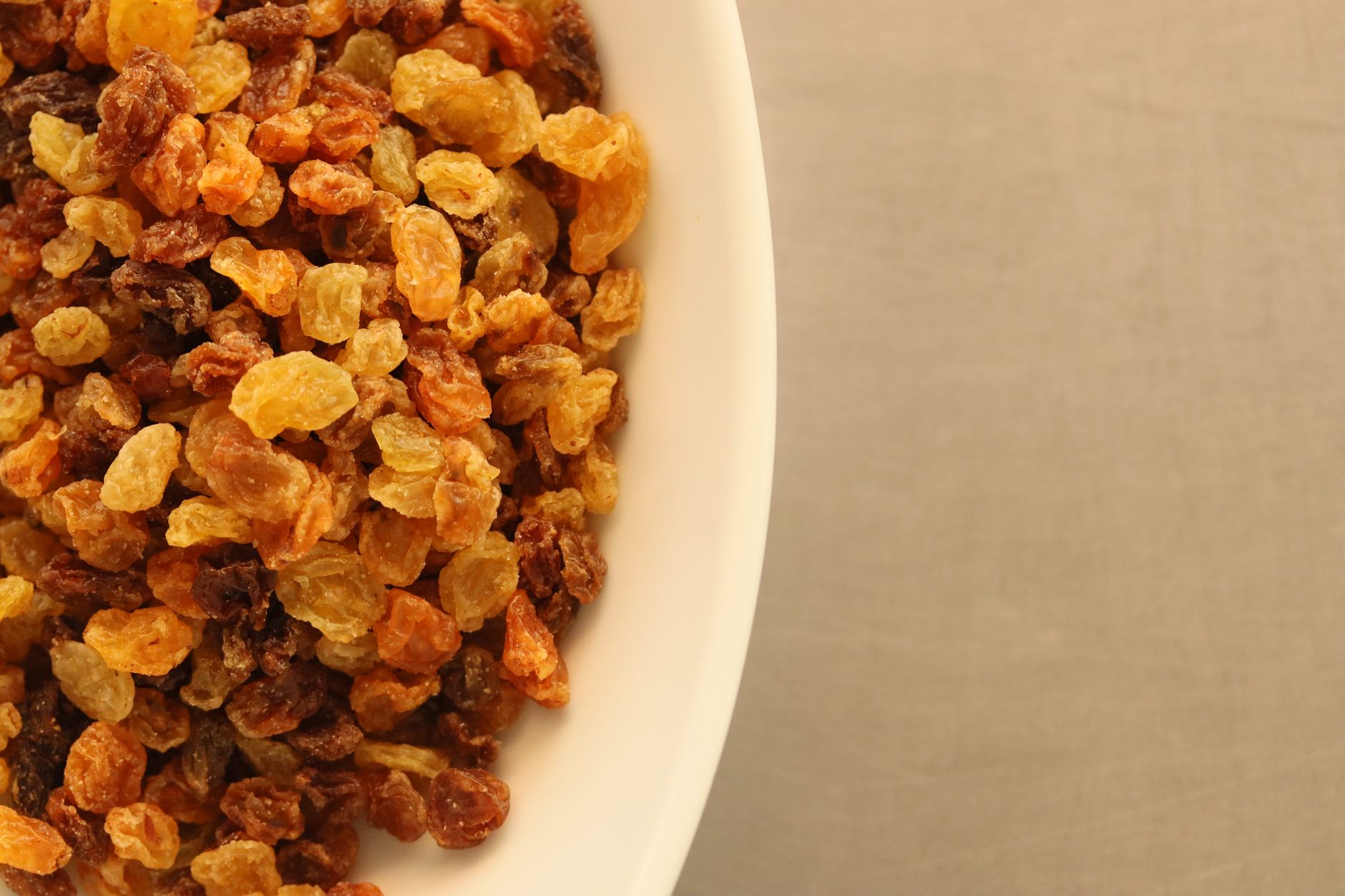
Raisins are often hailed as a healthy snack due to their convenient size and natural sweetness. However, many people wonder whether they can help with digestion, particularly if they encourage bowel movements. Understanding the fiber composition of raisins and how they fit into a balanced diet can clarify their potential role in digestive health.
This article explores the relationship between raisins and digestion, examining the properties of fiber, recommended portions, and how raisins can effectively contribute to your overall gut health.
Do Raisins Make You Poop?
Yes, raisins can help promote regular bowel movements due to their high fiber content. Fiber is essential for aiding digestion and maintaining a healthy gut. Specifically, raisins contain both soluble and insoluble fiber, which can contribute to preventing constipation and promoting overall digestive health.
Understanding Fiber and Its Role in Digestion
Fiber is a type of carbohydrate that the body cannot digest. It comes in two forms: soluble and insoluble. Both types contribute to good digestive health but in different ways.
Soluble Fiber
Soluble fiber dissolves in water and forms a gel-like consistency in the digestive tract. This type of fiber can help to:
- Lower cholesterol levels
- Stabilize blood sugar levels
- Improve gut health by feeding beneficial gut bacteria
Insoluble Fiber
In contrast, insoluble fiber does not dissolve in water and adds bulk to stool, which helps it pass more easily through the digestive tract. Key benefits include:
- Preventing constipation
- Improving bowel regularity
- Helping to maintain a healthy weight by promoting feelings of fullness
Raisins and Their Fiber Content
A single 100-gram serving of raisins contains about 7 grams of fiber. This includes both soluble and insoluble fiber. The combination of these fibers makes raisins a beneficial addition to your diet for enhancing digestive health.
Bowel Movement and Raisins
For those struggling with constipation or irregular bowel movements, incorporating raisins into your diet can be a simple and delicious solution. The fiber found in raisins not only adds bulk to the stool but also aids in digesting food more efficiently.
How to Incorporate Raisins into Your Diet
Incorporating raisins into your meals is easy, and there are several creative ways to include them:
1. Snacking
Raisins can be enjoyed as a quick snack on their own. Pairing them with nuts can provide protein and healthy fats, enhancing the nutritional content.
2. Baking
Add raisins to baked goods such as muffins, breads, or cookies. This not only gives a natural sweetness but also boosts fiber content.
3. Breakfast
Top oatmeal, yogurt, or cereal with raisins for a nutritious breakfast option. This combination not only adds sweetness but also increases fiber intake.
4. Salads
Raisins can make a delightful addition to salads. Consider adding them to carrot salad for a twist of flavor. The sweetness contrasts well with savory ingredients.
For a simple carrot-raisin salad, combine shredded carrots, a handful of raisins, a squeeze of lemon juice, and a dollop of yogurt for creaminess.
Check out the carrot-raisin salad recipe here.
5. Cooking
Raisins can be used in savory dishes, such as rice or grain salads, adding a touch of sweetness that balances spices and other flavors. They work particularly well in dishes influenced by Middle Eastern or Mediterranean cuisines.
Portion Sizes: How Many Raisins Should You Eat?
Moderation is key when consuming raisins, especially since they are calorie-dense and high in natural sugars. A typical serving size is about 1 to 2 ounces (28 to 56 grams), which translates to roughly a quarter to half a cup. This portion provides adequate fiber without overloading on calories or sugars.
Possible Side Effects of Eating Raisins
While raisins are generally healthy, consuming them in excessive amounts can lead to some undesirable side effects:
- High sugar content might lead to increased blood sugar levels, especially for individuals with diabetes
- Overconsumption may contribute to digestive discomfort, such as bloating or diarrhea, due to excessive fiber intake
Mixing Raisins with Other Fiber-Rich Foods
To maximize the benefits of fiber, consider combining raisins with other fiber-rich foods. Here are some great pairings:
1. Whole Grains
Incorporating whole grains such as brown rice, quinoa, or whole wheat bread with raisins enhances fiber intake and provides a balanced meal.
2. Vegetables
Adding vegetables high in fiber, like broccoli, carrots, or spinach, along with raisins, can improve gut health further and make for nutritious salads.
3. Beans and Legumes
Raisins can also work well in bean salads or dips, combining the protein-rich legumes with the sweetness of raisins for a balanced dish.
Tips for Healthy Digestion Beyond Raisins
In addition to adding raisins to your diet, there are other dietary choices and habits that can support digestive health:
- Stay Hydrated: Drinking enough water alongside high-fiber foods helps keep things moving in your digestive system.
- Eat a Variety of Fibers: Balance your soluble and insoluble fiber intake by including various fruits, vegetables, legumes, and whole grains.
- Regular Physical Activity: Exercise stimulates digestion and can prevent constipation. Aim for at least 30 minutes of moderate-intensity exercise most days.
- Mindful Eating: Taking your time while eating can help you better recognize hunger and fullness cues, leading to healthier portion sizes.
Common Questions About Raisins and Digestion
Can I eat raisins every day?
Eating raisins daily is generally safe and can provide digestive benefits, but moderation is key. Stick to appropriate serving sizes to avoid excessive calorie intake and sugar spikes.
Are there any alternative options if I don’t like raisins?
If you’re not a fan of raisins, other dried fruits like prunes are excellent choices as they are also high in fiber and effective for promoting bowel movements. Other alternatives include figs or apricots, which also provide sweetness and fiber.
What if I eat too many raisins?
Overconsumption of raisins can lead to digestive discomfort, such as diarrhea or excess gas. If you experience these symptoms, it may be best to reduce your intake and gradually reintroduce them into your diet.
Conclusion
Raisins can indeed help promote regular bowel movements due to their high fiber content. Incorporating them into a balanced diet, combined with a variety of other healthy foods, can enhance digestibility and support gut health.
As you explore the benefits of raisins, consider ways to mix them into snacks or meals easily. This small change can contribute significantly to your dietary fiber intake.
For further exploration, check out our guide on cabbage and its effects on digestion, or discover how to make a delightful carrot-raisin salad to enhance your meals. Happy eating!