
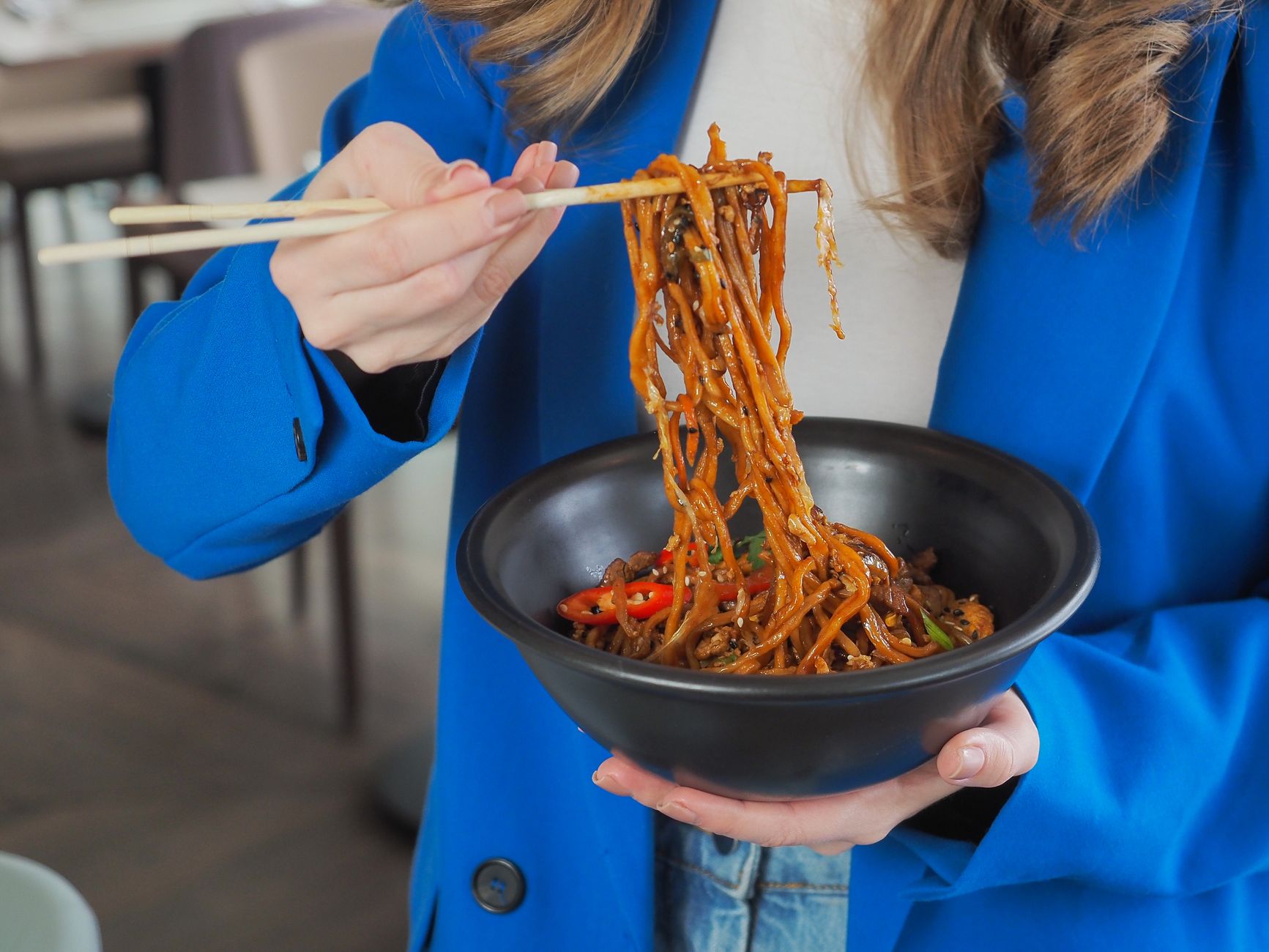
Buldak, often dubbed “fire chicken,” hails from South Korea and is known for its spicy flavor and comforting texture. To truly enjoy this dish, knowing how long to boil Buldak noodles is crucial, as the right cooking time can elevate your meal, making it perfect for a quick lunch or a satisfying dinner.
This article will guide you through the optimal boiling time for Buldak noodles, the doneness indicators, and some helpful tips and tricks to ensure your noodles are cooked to perfection.
How Long to Boil Buldak Noodles?
The ideal boiling time for Buldak noodles is typically between 4 to 6 minutes. This timeframe can vary slightly based on the brand of noodles you choose, so always check the packaging for specific instructions. Cooking times can also differ based on altitude and the exact type of noodle used, so slight adjustments may be necessary.
Understanding Buldak Noodles
Buldak noodles are a type of chewy, thick noodles often used in soups and stir-fries. They are specially designed to hold onto sauces, making them perfect for enjoying with the intense flavors of spicy Buldak sauce. Their texture is usually thicker than instant ramen, contributing to a satisfying bite.
Types of Buldak Noodles
- Instant Buldak Noodles: These are pre-packaged noodles that are quick to prepare, typically found in Asian grocery stores.
- Fresh Buldak Noodles: These noodles may require less cooking time due to their texture and freshness.
- Dried Buldak Noodles: Dried versions may need longer boiling times than fresh noodles.
Preparation Time and Serving Size
Prepping Buldak noodles is quick and straightforward. Here’s a breakdown:
- Preparation Time: 5 minutes
- Cooking Time: 4 to 6 minutes
- Total Time: Approximately 10 to 11 minutes
- Servings: Typically serves 1 to 2, depending on portion size.
Essential Equipment You’ll Need
- Large pot for boiling water
- Colander or strainer for draining
- Stirring spoon or chopsticks for cooking
- Measuring cup for water
Step-by-Step Boiling Instructions
- Boil Water: Fill a large pot with water and bring it to a rolling boil. You’ll need enough water to allow the noodles to float freely.
- Add Salt (optional): Adding a pinch of salt can enhance the noodles’ flavor slightly. This step is optional but recommended.
- Add Noodles: Once the water is boiling, gently add the Buldak noodles to the pot.
- Stir Frequently: Use a stirring spoon or chopsticks to give the noodles a gentle stir, preventing them from sticking together.
- Check for Doneness: After about 4 minutes, taste a strand of noodle for doneness. It should be al dente, which means firm to the bite but cooked through.
- Final Cooking Time: If the noodles are not quite there, continue cooking while checking every 30 seconds. They should be ready in 4 to 6 minutes.
- Drain Noodles: Once cooked, drain the noodles using a colander and rinse them under cold water to stop the cooking process and remove excess starch if desired.
Indicators for the Perfect Doneness
Understanding when your noodles are done is key. Here are some indicators:
- Texture: The noodles should be slightly chewy, not mushy or falling apart.
- Visual Cue: They should look plump and opaque, without any white, uncooked center.
- Taste Test: The best way to judge doneness is by tasting a strand. It should have a slight firmness, providing the desired texture.
Common Mistakes to Avoid
A few missteps can easily derail your noodle cooking process. Here are some common mistakes to watch out for:
- Overcooking: Boiling the noodles for too long can result in a mushy texture, making the dish less enjoyable.
- Not Stirring: Forgetting to stir the noodles can cause them to stick together, affecting the overall texture of the dish.
- Insufficient Water: Using too little water can lead to uneven cooking and clumping.
Practical Tips for Flavor Enhancement
While Buldak noodles are delicious on their own, consider these tips to enhance their flavor:
- Sauce Adjustment: After boiling, mix the noodles with a generous amount of Buldak sauce for an extra kick of spicy flavor.
- Fresh Ingredients: Add vegetables like bell peppers, onions, or green onions to the noodles after cooking for a nutritious boost.
- Protein Addition: Incorporating grilled chicken, tofu, or shrimp can transform your meal into a more filling option.
Variations of Buldak Noodles
There are many ways to enjoy Buldak noodles, catering to different taste preferences and dietary needs:
- Vegetarian Version: Replace meat with vegetables and protein substitutes such as tofu for a plant-based meal.
- Seafood Buldak: Use shrimp or squid for a marine twist on the traditional dish.
- Soup Style: Add extra broth to transform your Buldak noodles into a spicy noodle soup.
Storage and Reheating
If you have leftover Buldak noodles, proper storage is essential to maintain their freshness:
- Storage: Store leftover noodles in an airtight container in the refrigerator for up to 3 days.
- Reheating: To reheat, add a small amount of water to prevent the noodles from drying out and microwave for 1 to 2 minutes, stirring halfway through.
Final Thoughts on Boiling Buldak Noodles
Nailing the timing and technique for boiling Buldak noodles is possible with just a few steps. With practice, you’ll quickly become adept at adjusting cooking times for your preferred texture and flavor.
Next time you’re in the mood for something spicy and fulfilling, simply follow the steps outlined here, and enjoy your homemade Buldak noodles. Experiment with various additions to find your ideal flavor combination and make it your own.
For more delicious recipes and cooking tips, explore our guides on Buldak Ramen Recipe and learn how to cook asparagus perfectly.