
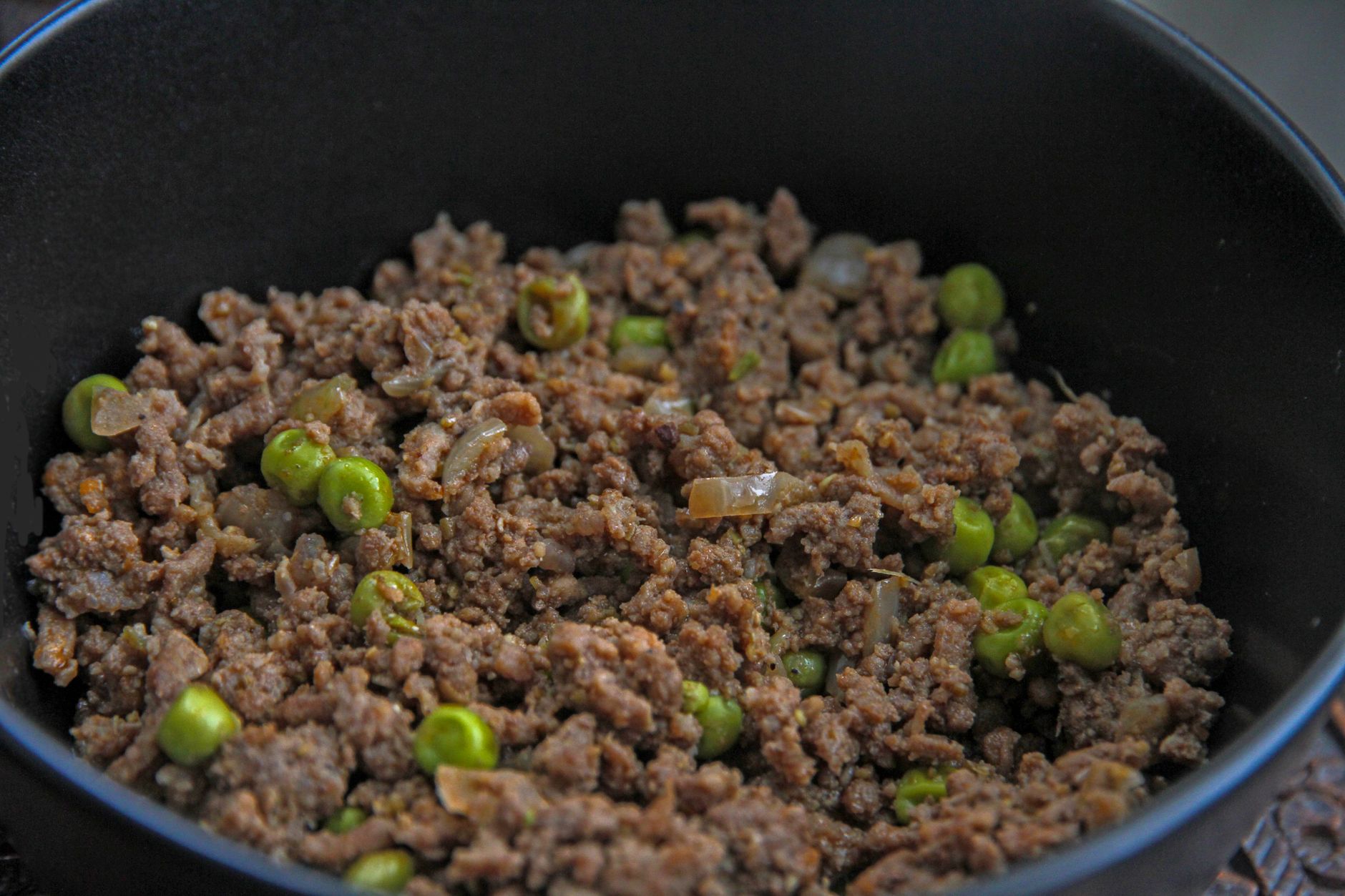
Textured vegetable protein (TVP) is a high-protein meat substitute made from soy flour. Widely used in vegetarian and vegan cooking, it serves as a versatile ingredient that can absorb flavors and mimic the texture of meat in various dishes. Understanding more about TVP can help elevate plant-based cooking while catering to diverse dietary needs.
This guide will cover everything you need to know about TVP, including its ingredients, flavor, cooking methods, and serving suggestions. We’ll also delve into its nutritional benefits and practical tips for incorporating TVP into your meals.
What Is TVP?
TVP, or textured vegetable protein, is a dehydrated soy product created from defatted soy flour. It is produced by cooking soybeans at high temperatures, then extruding the mixture into shapes like granules or chunks, which mimic the texture of meat. When rehydrated, TVP becomes a chewy and protein-rich substitute that works well in a variety of dishes.
Ingredients & Nutritional Profile of TVP
The primary ingredient in TVP is defatted soy flour, which is rich in protein and low in fat. TVP is gluten-free and contains no cholesterol, making it a popular choice for those on vegetarian, vegan, or gluten-free diets. Below is a detailed nutritional profile of TVP:
- Protein: Approximately 25 grams per 1 cup serving
- Carbohydrates: Approximately 15 grams per 1 cup serving
- Fat: Approximately 1 gram per 1 cup serving
- Fiber: Approximately 9 grams per 1 cup serving
- Iron: Good source (varies depending on brand)
- Calcium: Low, varies by product
Despite being rich in protein, TVP is not a complete protein source by itself as it lacks certain amino acids. However, when combined with other protein sources, such as legumes or grains, it can provide a complete amino acid profile.
Flavor Profile of TVP
TVP has a very mild flavor, which makes it a versatile base in cooking. It primarily absorbs the flavors of the seasonings and sauces it is cooked with. Some chefs describe its flavor as nutty and earthy, but on its own, it is quite neutral. This quality allows for creativity in preparation, making it an excellent ingredient for various cuisines.
How to Prepare TVP
Preparing TVP is simple and straightforward. It typically comes dehydrated in bags or bulk. Here’s how to prepare it:
- Rehydration: Start by adding hot water or broth to the TVP to plump it up. A common ratio is 1 part TVP to 2 parts liquid. Allow it to soak for about 10-15 minutes.
- Draining: After soaking, drain any excess liquid if necessary.
- Flavoring: You can sauté or stir-fry the rehydrated TVP with herbs, spices, and sauces to enhance its flavor.
Cooking Methods with TVP
TVP can be used in a range of cooking methods. Here are some popular techniques:
Sautéing
Sautéing is an excellent method to add flavor to TVP. After rehydrating, heat oil in a pan, add your flavoring agents such as onions, garlic, or bell peppers, and cook until softened. Then, add the rehydrated TVP and sauté until heated through and golden, incorporating any additional spices or sauces.
Baking
TVP can also be a beneficial ingredient in baked goods. When mixed into casseroles or veggie burgers, it adds protein and texture. Simply rehydrate it and then mix it into your batter or filling.
Stir-frying
Using TVP in stir-fries is another popular preparation method. Add it alongside vegetables and protein-rich sauces for a quick and nutritious meal. The TVP absorbs the flavors of the stir-fry sauce, enhancing the overall taste of the dish.
Soups and Stews
Incorporating TVP into soups or stews adds heartiness. Simply rehydrate the TVP and add it to the soup pot during the last 30 minutes of cooking, allowing it to soak up the flavors from the broth.
How to Serve TVP
The versatility of TVP allows it to be served in various cuisines and dishes. Here are some suggestions for incorporating TVP into your meals:
- Tacos: Use seasoned TVP in taco shells with toppings like guacamole and salsa for a satisfying meal.
- Chili: Add TVP to your vegetable chili for additional protein and texture.
- Bolognese Sauce: Swap out ground meat in your pasta sauce with TVP for a meatless version packed with flavor.
- Soups: Include in vegetable soup or lentil soup for added bulk.
- Veggie Burgers: Mix it into homemade veggie burger patties for improved texture and protein content.
- Stuffed Peppers: Combine TVP with rice, beans, and spices as a filling for stuffed bell peppers.
Practical Substitutions for TVP
If you find yourself without TVP or prefer another meat substitute, here are some excellent alternatives:
- Seitan: A gluten-based meat substitute that has a chewy texture, suitable for stir-fries and grilling.
- Mushrooms: Fresh mushrooms can add an earthy flavor and texture to dishes where you might use TVP.
- Lentils: Cooked lentils are protein-rich and can mimic the texture and substance of TVP in a variety of recipes.
- Chickpeas: Mashed or cooked chickpeas can serve as a base for burgers or stews.
Be mindful that while these substitutions can work in similar dishes, they may alter the flavor or texture profile, so it’s always a good idea to experiment with seasonings to match your tastes.
Common Mistakes When Cooking with TVP
When incorporating TVP into your cooking, there are a few common mistakes to avoid:
- Not Rehydrating Properly: Failing to thoroughly rehydrate TVP can lead to a dry or tough texture. Always allow it time to soak in hot liquid.
- Miscooking: Overcooking can cause TVP to become mushy. Add it towards the end of cooking in soups or stews.
- Lack of Flavoring: Since TVP is quite bland initially, seasoning is crucial for a delightful final dish. Don’t skip on spices or marination.
Storage and Shelf Life of TVP
TVP has a long shelf life due to its dehydrated nature. Proper storage is essential to prolong its quality:
- Unopened Packages: Store in a cool, dry place, and it can last for up to two years.
- Opened Packages: Transfer unused TVP into an airtight container to keep it dry and protect it from moisture. It usually lasts for about six months after opening.
Be sure to check for any signs of spoilage, such as an off smell or discoloration, before using.\
Cooking Tips for TVP
Maximize your cooking success with these helpful tips for working with TVP:
- Soaking Options: Use vegetable broth or even marinades for soaking to infuse flavor directly into the TVP.
- Mix with Other Ingredients: Combining TVP with grains, beans, fresh vegetables, and flavorful sauces can create a balanced and delicious dish.
- Texture Variations: TVP comes in various forms such as granules, chunks, and strips. Choose based on the texture you desire in your meal.
Final Thoughts
TVP is a flexible and nutritious food option that allows creativity in plant-based cooking. Its ability to absorb flavors and mimic the texture of meat makes it a valuable addition to vegetarian and vegan diets. With the guidelines provided, you can confidently incorporate TVP into a variety of dishes, ensuring they are flavorful and fulfilling.
To start using TVP, consider trying quick meals like veggie tacos or hearty chili. Experiment with seasonings and additional ingredients to find your favorite combinations.
For more creative ideas using versatile ingredients, explore related recipes such as coconut milk chia pudding, or learn about the right soaking time for chia seeds.