
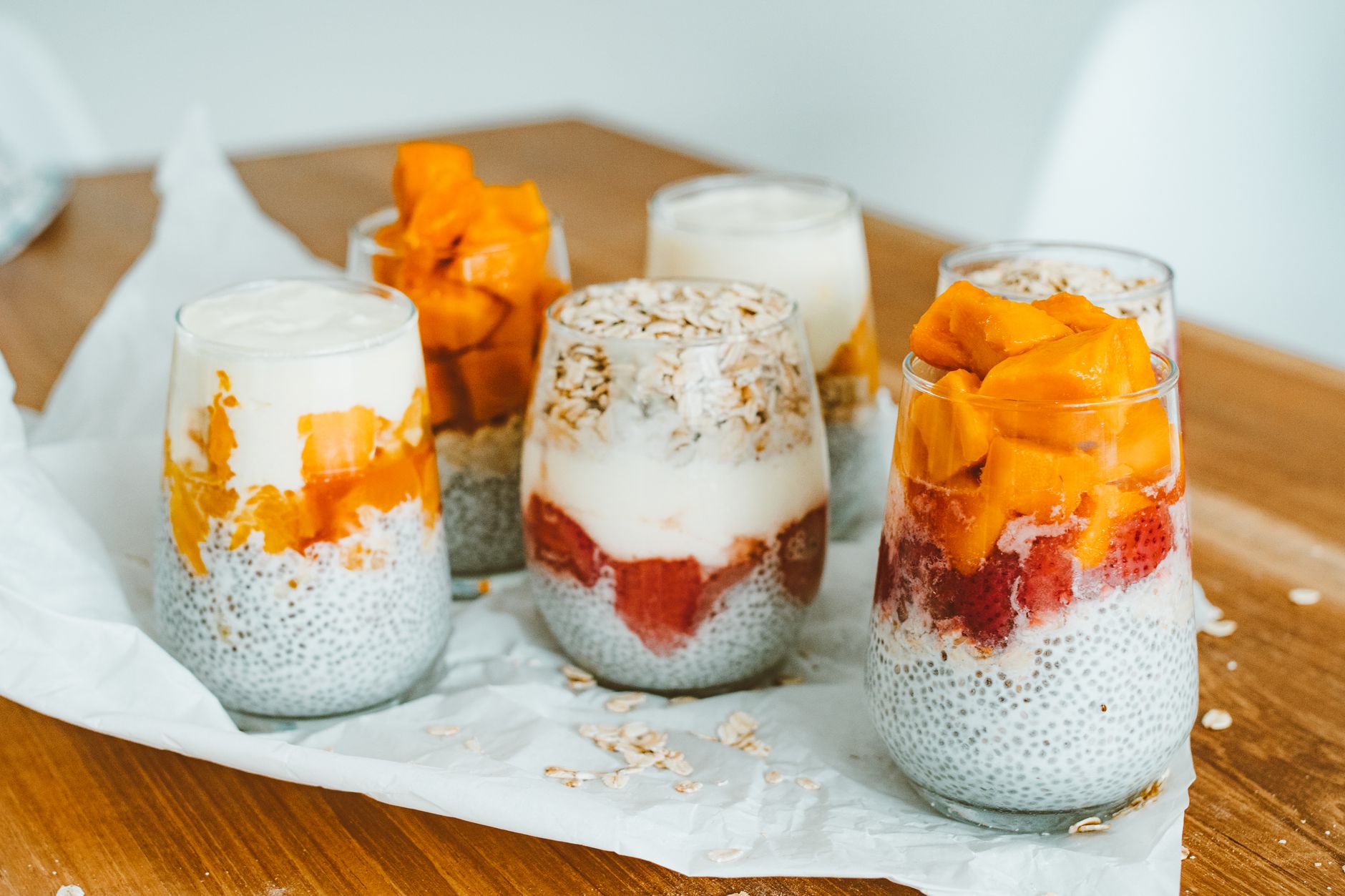
Chia pudding has gained popularity as a go-to health food, promising a range of benefits packed into a simple, creamy treat. This versatile and satisfying dish not only offers a unique texture but also serves as a vehicle for various flavors and toppings. But the question remains—how healthy is chia pudding really?
In this article, we’ll explore the nutritional profile of chia seeds, the health benefits of chia pudding, potential drawbacks, and tips for preparation. By the end, you’ll have a better understanding of whether this trendy dish deserves a spot in your meal rotation.
Is Chia Pudding Healthy?
Yes, chia pudding can be a healthy option, primarily due to its key ingredient, chia seeds, which are rich in nutrients. They offer fiber, protein, and essential fatty acids, making them an excellent addition to a balanced diet. However, the healthiness can depend on the ingredients used in the pudding and portion sizes.
Nutritional Profile of Chia Seeds
Chia seeds (Salvia hispanica) are small black or white seeds derived from a flowering plant in the mint family. They have garnered attention for their impressive nutritional profile, which includes:
- High Fiber Content: One ounce (about 28 grams) of chia seeds contains 11 grams of fiber, promoting digestive health and providing a feeling of fullness.
- Rich in Omega-3 Fatty Acids: Chia seeds are an excellent source of plant-based omega-3 fatty acids, beneficial for heart and brain health.
- Protein: Chia seeds contain approximately 4 grams of protein per ounce, making them a good plant-based protein source.
- Essential Minerals: They provide essential minerals like calcium, magnesium, and phosphorus—important for bone health.
- Antioxidants: Chia seeds are rich in antioxidants that help combat oxidative stress in the body.
Health Benefits of Chia Pudding
Given the nutritional benefits of chia seeds, chia pudding also provides several positive health effects:
1. Promotes Digestive Health
The high fiber content in chia seeds aids digestion. It helps regulate bowel movements and promotes a healthy gut. When chia seeds are soaked in liquid, they expand, forming a gel-like substance, which can help keep the digestive system functioning smoothly.
2. Aids in Weight Management
The combination of fiber and protein in chia pudding contributes to increased satiety. This can help reduce overall calorie intake when included in a balanced diet, potentially supporting weight management efforts.
3. Supports Heart Health
The omega-3 fatty acids found in chia seeds contribute to heart health by reducing inflammation and lowering blood pressure. Regular consumption can promote healthy cholesterol levels, reducing the risk of heart disease.
4. Provides Steady Energy
Chia pudding can provide sustained energy due to its balanced combination of carbohydrates, protein, and healthy fats. This makes it an excellent option for breakfast or a snack.
5. Versatility in Dietary Needs
Chia pudding is naturally gluten-free, vegan, and can be tailored to various dietary preferences, making it a fantastic choice for people with different nutritional needs.
Potential Drawbacks of Chia Pudding
While chia pudding offers numerous health benefits, there are some considerations to keep in mind:
1. Caloric Density
Chia seeds are calorically dense due to their fat content. Portion control is essential, especially if you are monitoring caloric intake, as it is easy to consume more than needed.
2. Gastrointestinal Discomfort
Some people may experience digestive upset if they consume large quantities of chia seeds without adequate hydration. It is essential to drink enough fluids when increasing fiber intake from chia seeds.
3. Nutrient Absorption Inhibition
Chia seeds contain phytic acid, which can inhibit the absorption of certain minerals. Soaking the seeds before consumption may help reduce phytic acid levels.
How to Make Chia Pudding
Making chia pudding is simple and requires minimal ingredients. Here’s a basic recipe to get you started:
Yield: 2 servings
Preparation Time: 5 minutes
Soaking Time: 2 hours or overnight
Total Time: 2 hours 5 minutes or overnight
Ingredients
- 1/2 cup chia seeds
- 2 cups milk (dairy or non-dairy, such as almond, coconut, or oat milk)
- 2 tablespoons sweetener of choice (e.g., maple syrup, honey, or agave syrup)
- 1 teaspoon vanilla extract (optional)
- Pinch of salt
Essential Equipment
- Mixing bowl
- Whisk or spoon
- Storage container or jars with lids
Instructions
- In a mixing bowl, combine chia seeds, milk, sweetener, vanilla extract, and salt.
- Whisk or stir well until fully combined, ensuring there are no clumps of chia seeds.
- Cover the mixing bowl with plastic wrap or transfer the mixture into jars, sealing them with lids.
- Refrigerate for at least 2 hours or overnight until the pudding has thickened to your desired consistency.
- Serve cold, topped with your favorite fruits, nuts, or granola.
Variations and Personalization
Chia pudding can be easily personalized to suit your taste. Here are a few ideas for variations:
Fruit-Infused Chia Pudding
Add pureed fruit, such as banana, mango, or berries, into the base mixture for a fruity flavor. You can also layer the pudding with whole fruits for added texture and sweetness.
Chocolate Chia Pudding
Add 2 tablespoons of cocoa powder to the basic chia pudding recipe for a chocolatey twist. Adjust the sweetener according to your taste.
Spiced Chia Pudding
Add spices like cinnamon, nutmeg, or ginger to enhance the flavor profile. A pinch of cayenne can add a surprising kick!
Common Mistakes and Troubleshooting
While making chia pudding is straightforward, there are common mistakes to watch out for:
1. Not Mixing Well
Ensure that chia seeds are thoroughly mixed into the liquid. Undermixing can lead to clumping and uneven texture.
2. Using Insufficient Liquid
Chia seeds absorb a significant amount of liquid. If you don’t use enough liquid, the pudding will be too thick or dry. Aim for a ratio of 1:4 (chia seeds to liquid).
3. Skipping the Soaking Step
Don’t rush the soaking process. Allowing chia seeds to sit in liquid is crucial for achieving the gel-like consistency that defines pudding.
Storage and Freshness
Chia pudding can be stored in the refrigerator for up to five days. To maintain freshness, keep it in an airtight container. If you’ve layered it with fruits, consider consuming it within the first couple of days for optimal flavor and texture.
Conclusion
Chia pudding can be a nourishing addition to your diet, rich in fiber, protein, and healthy fats. With endless possibilities for flavor, it is not only healthy but also versatile and customizable. By being mindful of portions and ingredients, chia pudding can fit seamlessly into a balanced diet.
Ready to enjoy the benefits of chia pudding? For more on the health advantages of chia seeds, check out what are the benefits of chia seeds. If you’re curious about how long chia seeds should soak, refer to how long chia seeds should soak for optimal results.