
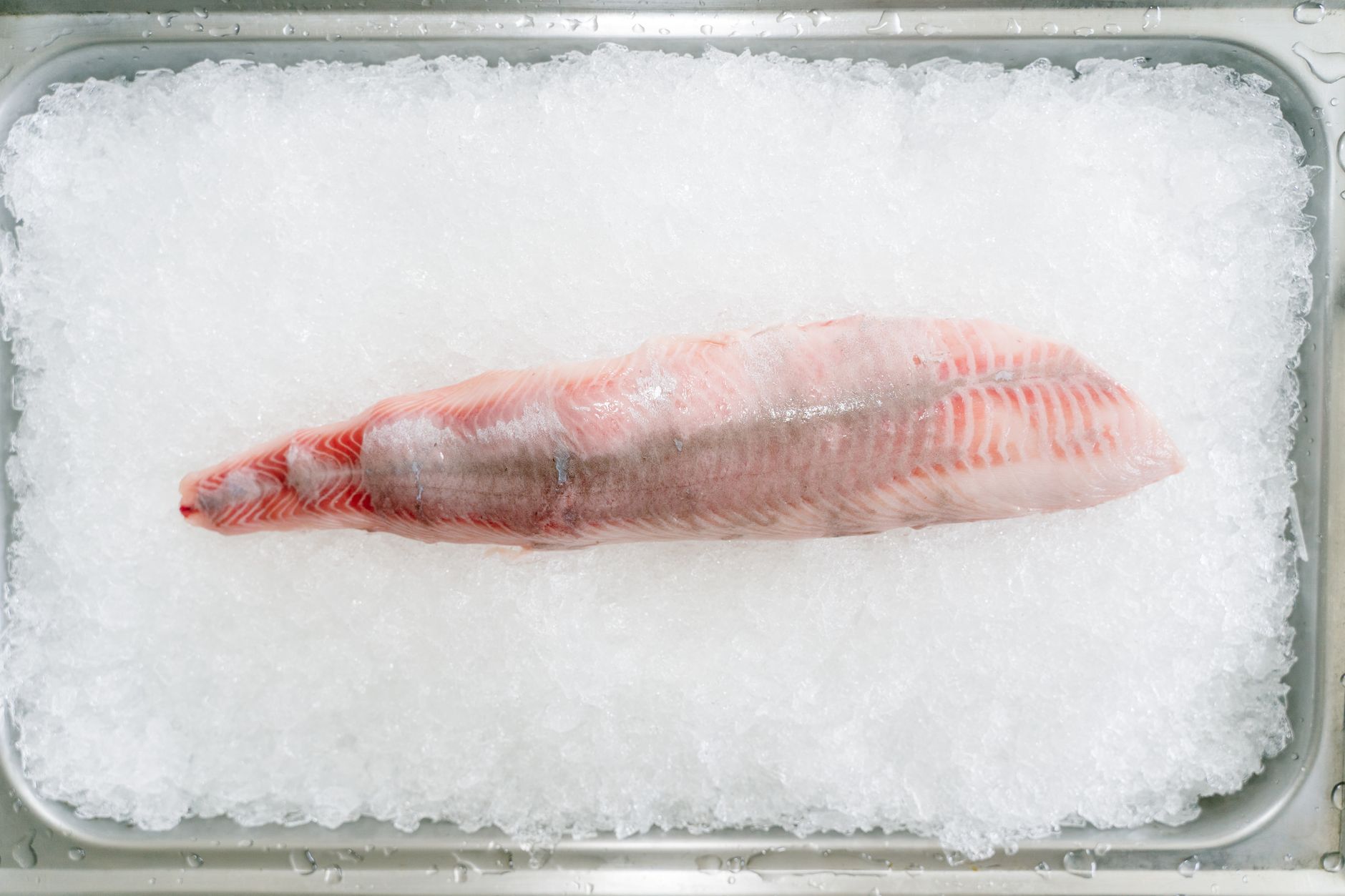
Flounder is a popular flatfish known for its delicate flavor and flaky texture. As a versatile seafood choice, flounder can be prepared in numerous ways, making it a favorite among home cooks and professional chefs alike. Understanding its taste profile, culinary uses, and preparation techniques can make a significant difference in how you incorporate it into your meals.
In this article, we will explore what flounder tastes like, how to prepare it, and what dishes it pairs well with. Additionally, we’ll cover preparation and cooking methods that enhance its delightful flavor while providing some useful tips on selecting and storing flounder.
What Does Flounder Taste Like?
Flounder has a mild, sweet flavor that is often described as slightly buttery. Its taste is not overly fishy, making it an excellent choice for those who may be hesitant to try seafood. The texture of flounder is exceptionally tender and flaky when cooked properly, which adds to its appeal. Overall, flounder provides a delicious base for various seasonings and sauces.
A Brief Overview of Flounder
Flounder is a type of flatfish that can be found in various parts of the world, primarily in the North Atlantic region. Its body is flattened and asymmetrical, with both eyes on the top side. This unique shape allows it to camouflage itself on the ocean floor, making it an efficient predator.
There are various species of flounder, including the popular Atlantic flounder, summer flounder (also known as fluke), and Pacific flounder. Each species shares similar taste characteristics but may have slight variations in flavor and texture.
The Characteristics of Flounder
Flavor Profile
The flavor of flounder is mild and versatile. It doesn’t overpower other ingredients, allowing it to work well with various seasonings and cooking methods. Its subtly sweet flavor complements both light and bold ingredients, making it a suitable choice for various cuisines.
Texture
Flounder has a soft and flaky texture that breaks apart easily when cooked correctly. This tenderness makes it suitable for baking, broiling, frying, or grilling. When overcooked, flounder can become dry, so it’s crucial to monitor cooking times closely.
Aroma
The fresh aroma of flounder is often reminiscent of the sea, with mild notes that don’t overwhelm the senses. A fresh piece of flounder should smell briny but pleasant, signaling its freshness.
How to Choose Fresh Flounder
When selecting flounder, freshness is key to enjoying its delicate flavor. Here are some tips for choosing the best quality flounder:
- Look for bright, clear eyes. Cloudy or sunken eyes are signs that the fish is not fresh.
- The skin should be moist and have a vibrant color. Avoid any dull or discolored sections.
- Gently press the flesh; it should spring back and not leave a dent.
- Smell the fish. Fresh flounder has a clean, briny aroma rather than a pungent fishy smell.
Cooking Techniques for Flounder
Flounder is a versatile fish that can be prepared using various cooking methods. Here are some common techniques to enhance its flavor and texture:
Baking
Baking flounder is a healthy and straightforward method. It allows the fish to retain moisture while developing a mild flavor. Here’s how to bake flounder:
- Preheat your oven to 375°F (190°C).
- Place the flounder fillets on a greased baking dish.
- Drizzle with olive oil and season with salt, pepper, herbs, and lemon juice or slices.
- Bake for about 15-20 minutes or until the fish is opaque and flakes easily with a fork.
Pan-Frying
Pan-frying flounder creates a crispy exterior while keeping the inside moist. This method works particularly well when using a light batter. To pan-fry flounder:
- Heat a skillet over medium heat with a few tablespoons of oil.
- Coat the flounder fillets in flour or a breadcrumb mixture for added texture.
- Place the fillets in the skillet once the oil is hot.
- Cook for 3-4 minutes on each side or until golden brown and cooked through.
Grilling
Grilling flounder can impart a smoky flavor that enhances its natural taste. Use a grill basket or foil to prevent the delicate fish from falling apart. Follow these steps:
- Preheat the grill to medium-high heat.
- Brush the grill grate with oil or place the fish on a piece of foil to prevent sticking.
- Season the flounder with your choice of marinade or spices.
- Grill for about 4-5 minutes per side, depending on thickness, until the fish is opaque and easily flakes with a fork.
Steaming
Steaming is a gentle cooking method that keeps flounder moist and preserves its delicate flavor. Here’s how to steam flounder:
- Fill a pot with an inch of water and bring it to a boil.
- Place the flounder in a steamer basket above the boiling water, ensuring it doesn’t touch the water.
- Cover and steam for about 8-10 minutes or until the fish is opaque and flakes easily.
Common Flavor Pairings with Flounder
The versatility of flounder allows it to pair well with various ingredients. Here are some popular flavor companions:
- Citrus: Lemon, lime, and orange brighten the flavor of flounder, balancing its sweetness.
- Herbs: Fresh herbs like parsley, dill, thyme, and basil enhance its delicate taste.
- Garlic and Shallots: These aromatics add depth and richness without overpowering the fish.
- Butter: A classic pairing, butter adds a creamy texture and enhances flounder’s natural flavor.
- Spices: Light spices such as paprika, cumin, and black pepper can add complexity without overwhelming the fish.
Popular Dishes Featuring Flounder
Flounder can be used in numerous dishes, each showcasing its subtle flavor and tender texture. Here are some of the most popular preparations:
Flounder Piccata
Flounder piccata is a delightful dish featuring flounder fillets sautéed with butter, lemon juice, and capers. This recipe highlights the fish’s mild flavor while adding zesty and tart notes.
Fish Tacos
Using flounder in fish tacos provides a deliciously fresh alternative. The fish can be grilled or fried and topped with a vibrant slaw, avocado crema, and salsa for a complete meal.
Flounder Meunière
A classic French dish, flounder meunière consists of pan-fried flounder seasoned with lemon and parsley. The crispy skin and buttery sauce celebrate the fish’s natural taste.
Flounder Chowder
Flounder chowder is a comforting, creamy soup that highlights the fish amidst potatoes, corn, and aromatics. This dish is particularly popular in coastal regions, where fresh seafood is abundant.
Storage and Handling Tips for Flounder
To ensure freshness and maintain quality, proper storage of flounder is essential. Here are some tips to keep in mind:
- Store fresh flounder in the coldest part of your refrigerator, ideally at a temperature below 40°F (4°C).
- To maximize freshness, wrap the fish tightly in plastic wrap or place it in an airtight container.
- Use fresh flounder within one to two days or freeze for later use.
- If freezing, wrap the fish tightly in plastic wrap and aluminum foil, or use vacuum-sealed bags to minimize freezer burn.
Common Mistakes When Cooking Flounder
A few common errors can affect the cooking of flounder, so being mindful can help you achieve the best results:
- Overcooking: Flounder cooks quickly and can become dry. Keep an eye on cooking times to avoid this.
- Not seasoning adequately: While flounder has a subtle flavor, it still requires proper seasoning to enhance its taste.
- Skipping the marinade: A quick marinade can elevate the flavor and tenderize the fish. Don’t skip this step when applicable.
Conclusion
Flounder is a versatile and flavorful fish that is perfect for a variety of dishes and cooking methods. Its mild, delicate taste and flaky texture make it an ideal choice for seafood enthusiasts and newcomers alike. Whether you’re baking, frying, or grilling, knowing how to handle flounder will allow you to enjoy its culinary potential fully. Remember to choose fresh fillets and pair them with complementary flavors to create delightful meals.
If you’re interested in expanding your culinary repertoire, consider exploring what saffron or crab taste like as well. Check out our guides on what saffron tastes like and what crab tastes like for more insights on these ingredients.