
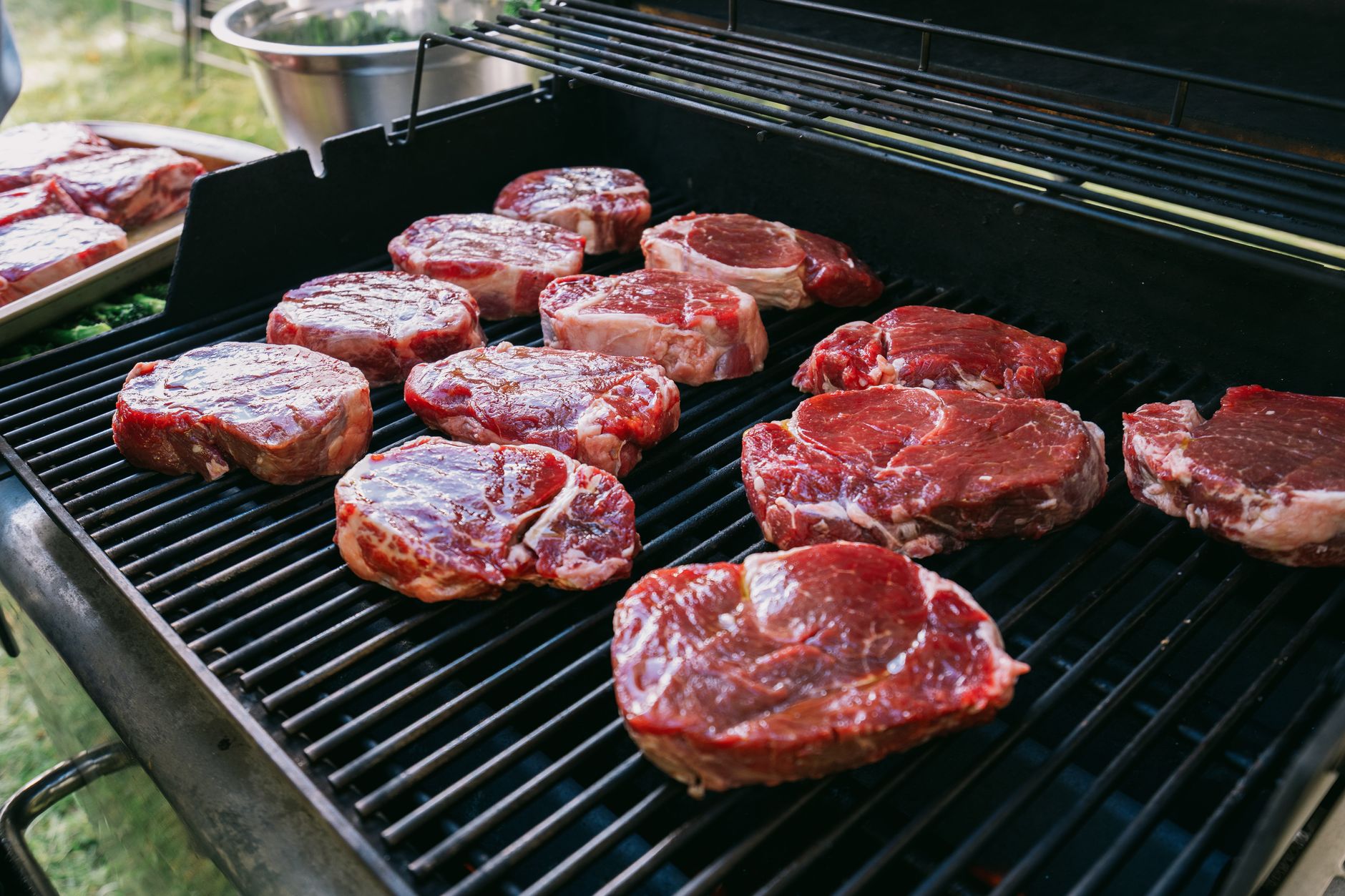
Prime rib, a favorite among steak lovers, is a cut that boasts succulence and flavor, often reserved for special occasions. In this article, we will explore what prime rib entails, where it comes from, how to identify it, and the best ways to prepare and cook this decadent cut of beef.
Understanding prime rib can elevate your cooking skills and expand your culinary repertoire. Let’s discuss everything from the basics to detailed cooking techniques, ensuring that you’ll be well-prepared to impress at your next dinner gathering.
What Cut Is Prime Rib?
Prime rib refers to a specific section of beef that comes from the primal rib section, particularly the standing rib roast. This cut is known for its rich flavor and tenderness, making it a favorite for festive meals and hearty family dinners. It is characterized by its generous marbling of fat, which contributes to its juiciness and exceptional flavor.
Typically, prime rib is sold bone-in, although boneless versions are also available. Each rib produces a ribeye steak, but when cooked as a prime rib, the entire roast retains its flavor and moisture, ensuring a delicious result.
Understanding the Cuts of Beef
To better appreciate prime rib, it’s essential to understand the basic anatomy of beef. The rib section, located in the middle of the cow, consists of ribs six through twelve and can be broken down into several cuts:
- Ribeye Steak: A single steak cut from the prime rib, well-marbled and full of flavor.
- Prime Rib Roast: The whole roast, usually consisting of 2 to 7 ribs.
- Short Ribs: Cut from the rib area but are a different style of cooking.
When you purchase a prime rib roast, you are effectively choosing the section of the cow that is naturally tender and flavorful, making it a desirable option for various cooking methods.
The Quality Grades of Beef
Beef is categorized into several quality grades, which affect tenderness, flavor, and marbling. The USDA grades include:
- Prime: The highest quality, with abundant marbling and sold mainly through restaurants and upscale markets.
- Choice: A high-quality cut with less marbling; still tender and flavorful.
- Select: Leaner cuts that may lack the juiciness of higher grades.
For prime rib, the ideal choice is USDA Prime or Choice, ensuring the best texture and taste for your dish.
Selecting the Best Prime Rib
When shopping for prime rib, consider the following factors to ensure you get the best cut:
- Bone-in vs. Boneless: Bone-in prime rib tends to be more flavorful due to the marrow and fat surrounding the bones, while boneless is easier to carve but may not have as much depth of flavor.
- Marbling: Opt for cuts with visible white fat marbling throughout the meat, as this leads to a juicier outcome.
- Grade: Always check for quality grades. USDA Prime is preferred, but USDA Choice can also yield excellent results.
Purchasing from a reputable butcher can provide valuable insights and help you choose the best cut for your needs.
Preparing Prime Rib for Cooking
Once you have selected your prime rib cut, preparing it properly can make all the difference in achieving an outstanding result. Here are the essential steps:
- Let It Rest: Allow the prime rib to reach room temperature for about 1-2 hours before cooking. This step helps with even cooking.
- Trim Excess Fat: While marbling is essential for flavor, excessive fat can cause flare-ups during cooking. Trim any large chunks of fat, leaving about a quarter-inch layer.
- Seasoning: Generously season the prime rib with salt and pepper. You may also use dried herbs, garlic, and other spices to enhance the flavor.
- Consider a Rub: A dry rub or marinade can add more flavor. Try a blend of herbs, garlic powder, and olive oil or a classic horseradish mix.
Cooking Methods for Prime Rib
There are several effective cooking methods for preparing prime rib, each with its unique flavor and texture outcomes. The most popular techniques include:
Oven Roasting
The most common method for cooking prime rib is oven roasting. This method ensures a beautifully crusted exterior while keeping the interior juicy.
Step-by-Step Guide for Oven Roasting
- Preheat the Oven: Preheat your oven to 450°F (230°C).
- Initial Searing: Place the prime rib in a roasting pan, bone-side down. Roast for 20-30 minutes to develop a crust.
- Reduce Heat: Lower the oven temperature to 325°F (165°C) and continue roasting. Use a meat thermometer to check the internal temperature.
- Target Temperatures: For rare, aim for 130°F (54°C); medium-rare is 135°F (57°C); medium is 145°F (63°C).
- Resting: Once removed from the oven, let the prime rib rest for at least 20-30 minutes. This step helps retain juices and enhances flavor.
Slow Roasting
Slow roasting entails cooking the prime rib at a lower temperature for an extended period. This method can result in incredibly tender and juicy meat, perfect for special occasions.
Step-by-Step Guide for Slow Roasting
- Preheat the Oven: Set your oven to 225°F (107°C).
- Season and Place: Prepare the prime rib as discussed previously and place it in a roasting pan, bone-side down.
- Cooking Time: Slow roast for 4-6 hours, depending on the size of the cut, until you reach your desired doneness.
- Check Temperature: Use a meat thermometer frequently to monitor doneness.
- Resting: Allow the meat to rest as with oven roasting.
Reverse Searing
Reverse searing involves slowly cooking the prime rib at a low temperature before finishing it with a high-heat sear for a crispy exterior.
Step-by-Step Guide for Reverse Searing
- Slow Cook First: Preheat your oven to 225°F (107°C). Cook the seasoned prime rib until it reaches an internal temperature 10 degrees below your desired doneness.
- Searing: Heat a skillet over high heat and add a small amount of oil. Sear the prime rib on all sides for 2-3 minutes until browned.
- Rest and Serve: Allow the prime rib to rest before carving and serving.
Common Mistakes When Cooking Prime Rib
Even the most seasoned cooks can make mistakes when preparing prime rib. Keep these common pitfalls in mind:
- Skipping the Rest: Failing to let the prime rib rest after cooking can lead to dry meat.
- Wrong Internal Temperatures: Relying solely on time rather than using a meat thermometer can result in overcooking.
- Not Using Enough Seasoning: Underseasoned prime rib can taste bland; be generous with spices.
Serving Suggestions for Prime Rib
Once your prime rib is cooked to perfection, consider these serving ideas to create a memorable dining experience:
- Pair with creamy horseradish sauce for a classic flavor contrast.
- Serve alongside seasonal roasted vegetables for a balanced meal.
- Include a flavorful au jus made from the drippings to enhance every bite of the meat.
Storing Leftover Prime Rib
Proper storage of leftover prime rib is crucial for maintaining its flavor and texture. Follow these steps:
- Cool Down: Allow the leftovers to come to room temperature before storing.
- Wrap and Store: Wrap in aluminum foil or place in an airtight container to prevent moisture loss.
- Refrigerate: Store in the refrigerator for up to 3-4 days.
- Freezing: If freezing, ensure the meat is well-wrapped and can last up to 6 months.
Reheating Tips for Prime Rib
When reheating prime rib, aim to preserve its juiciness and texture:
- Oven Method: Preheat the oven to 250°F (120°C). Place the wrapped prime rib in a shallow dish and heat until warmed through.
- Skillet Method: Heat slices in a skillet over low heat with a little broth or water covered to retain moisture.
Conclusion
Prime rib is more than just a delicious cut of beef; it’s an impressive centerpiece that can elevate any special occasion. With a firm understanding of what prime rib is, how to select it, ways to prepare, and common mistakes to avoid, you’ll be well on your way to mastering this remarkable dish.
To get more ideas for your cooking endeavors, check out our boneless prime rib recipe and enhance your prime rib with a custom rub. Explore these resources for inspiration and tips!