
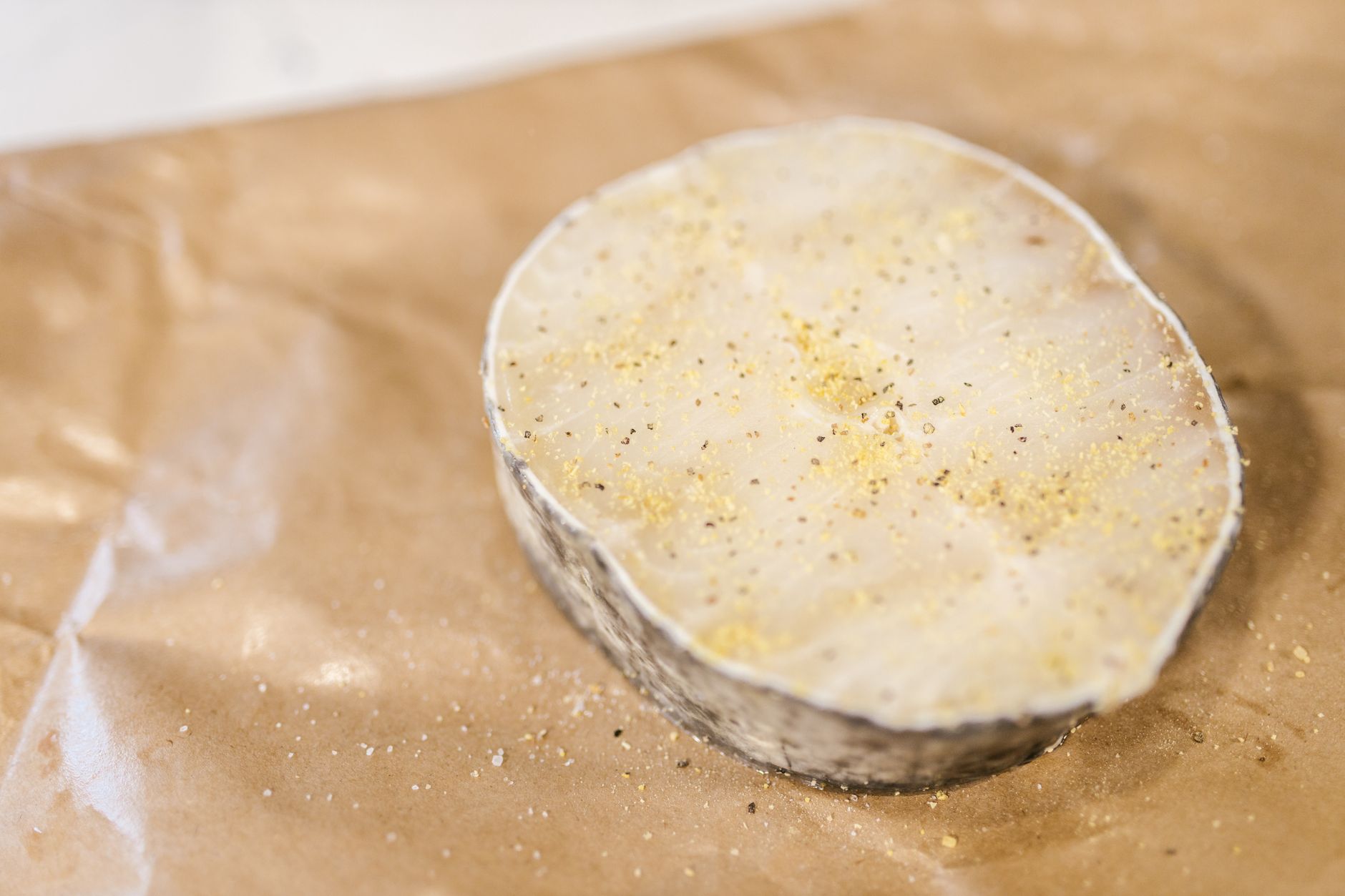
Scrod is a term commonly used in the culinary world to refer to young fish, specifically cod and haddock, that are typically caught in the North Atlantic. The name is frequently associated with a particular way of preparing these delicate white fish, highlighting their versatility in various dishes.
Scrod is often enjoyed for its mild flavor, flaky texture, and ability to adapt to different cooking methods—making it a favorite among seafood lovers. In this article, we will delve into what scrod is, how to select it, its culinary uses, and various preparation techniques.
What Is Scrod?
Scrod refers primarily to juvenile cod or haddock, especially when these fish are caught and prepared for cooking. While the term can vary in its application depending on region, it typically implies a specific culinary approach, making it synonymous with freshness and quality.
Scrod is commonly used in New England cuisine, where it has gained popularity due to its subtle flavor profile and adaptability. When preparing scrod, one can expect a tender, flaky fish that lends itself beautifully to roasting, baking, grilling, and frying.
Characteristics of Scrod
When assessing scrod, there are several key characteristics to consider. Here’s what sets scrod apart:
- Flavor: Scrod has a mild, slightly sweet flavor, making it a versatile option that pairs well with various seasonings and ingredients.
- Texture: The flesh is tender and flaky, offering a pleasing mouthfeel whether grilled, baked, or fried.
- Cooking Versatility: Scrod can be prepared in various ways, including baking, broiling, poaching, and frying, allowing for creative presentation on the plate.
How to Select Scrod
Choosing the right scrod is crucial for ensuring a great culinary experience. Here are a few tips on selecting scrod:
- Freshness: Look for fish that smells clean and fresh, with no strong “fishy” odor. The flesh should be moist and glossy, not dull or dry.
- Color: Fresh scrod typically displays a bright white color. Observe the gills and eyes; they should be bright red and clear, respectively.
- Texture: The flesh should spring back when gently pressed with a finger. If it leaves an impression, the fish may not be fresh.
Culinary Uses of Scrod
Scrod is a flexible ingredient suited for various culinary applications. Here are some popular ways to use scrod:
1. Baking
Baking scrod is one of the simplest methods to prepare this fish. It allows the natural flavors to shine through while infusing additional seasonings. Here’s a basic method:
- Preheat the oven to 400°F (200°C).
- Place the scrod fillets in a baking dish lined with parchment paper.
- Drizzle with olive oil and season with salt, pepper, and herbs or spices of your choice.
- Bake for 12-15 minutes, or until the fish flakes easily with a fork.
2. Grilling
Grilling scrod can add a delicious smoky flavor. To grill effectively, follow these steps:
- Preheat the grill to medium-high heat.
- Brush the fish with oil to prevent sticking.
- Place the fillets on the grill, cooking for about 4-5 minutes per side, depending on thickness.
- Remove from the grill once the fish is opaque and flakes easily.
3. Broiling
Broiling is another excellent method for cooking scrod, as it gives the fish a golden, crispy finish. Use the following steps:
- Set your oven’s broiler to high.
- Place the scrod on a broiler-safe dish and brush with melted butter or olive oil.
- Position the dish about 4-6 inches from the heat source.
- Broil for 5-8 minutes, keeping a close watch to avoid overcooking.
Practical Substitutions for Scrod
If scrod is not available or if you wish to try an alternative, several other fish can serve as suitable substitutes:
- Haddock: Often confused with scrod, haddock is a great replacement. Its texture and flavor profile are quite similar.
- Cod: Another close relative providing a firm, flaky texture; it can be used interchangeably with scrod.
- Tilapia: While different, tilapia offers a mild flavor and is widely accessible, making it a reasonable substitution in many recipes.
Common Mistakes When Preparing Scrod
To ensure the best results with scrod, consider these common pitfalls to avoid:
- Overcooking: Fish cooks quickly, and overcooking leads to dry, rubbery texture. Monitor cooking times closely.
- Not using enough seasoning: Given its mild flavor, it’s essential to season scrod adequately to enhance its taste.
- Poor storage: Fish should be stored properly and consumed within a couple of days of purchase to maintain freshness.
Serving Suggestions for Scrod
Serving scrod beautifully can make a significant difference in presentation and enjoyment. Here are some suggestions:
- Pair scrod with seasonal vegetables such as asparagus or green beans for a light, healthy meal.
- Serve with a sauce like lemon butter or a fresh salsa to complement the dish’s flavors.
- Garnish with fresh herbs, such as parsley or dill, to add visual appeal and a fresh note to the overall dish.
Make-Ahead Scrod Meals
Planning ahead can save time during busy weeknights. Here are some tips for preparing scrod dishes in advance:
- Marinate the fish the night before for enhanced flavor and tenderness.
- Pre-bake or broil scrod, then refrigerate it; reheat gently in the oven before serving.
- Prepare sauces ahead of time and store them separately until meal prep.
Storing and Reheating Scrod
For proper storage and reheating of scrod, follow these guidelines:
- Storage: Store uncooked scrod in its original packaging or a tightly sealed container in the refrigerator. Ensure it is consumed within 1-2 days for optimal freshness.
- Cooked scrod: If you have leftover cooked fish, store it in an airtight container and consume within 3 days. Reheat gently in the oven at 350°F (175°C) to avoid drying out.
Conclusion
Scrod is a delightful culinary choice that offers versatility and mild flavors, making it ideal for a variety of preparations. Understanding how to select, prepare, and serve scrod will enhance your seafood cooking experience. Whether you bake, grill, or broil, scrod can be a highlight of your next meal.
To further expand your cooking repertoire, consider exploring our baked haddock recipe or try your hand at a monkfish recipe for more seafood delights.