
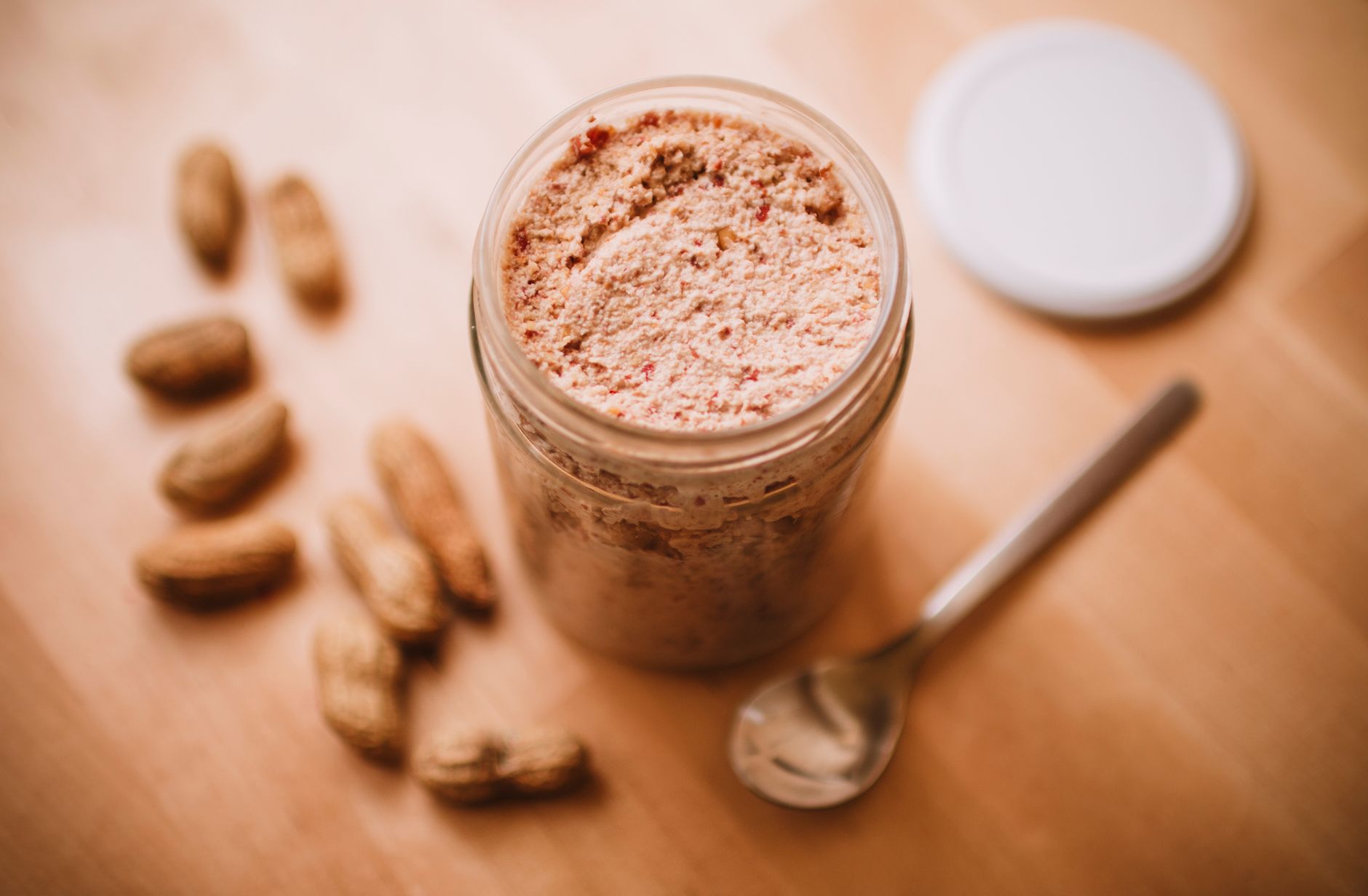
Peanut butter is a beloved pantry staple that offers flavor, convenience, and nutritional benefits. However, one of the most frequently asked questions about this creamy spread is how much protein is actually in it. Understanding the protein content is essential for those focusing on a balanced diet, especially for vegetarians or anyone looking to increase their protein intake.
This article will tackle the protein content in peanut butter and explore its nutritional profile, uses, and tips for incorporating it into your diet. We’ll also delve into variations on classic peanut butter, so you can enjoy this delicious ingredient in a multitude of ways.
How Much Protein Is In Peanut Butter?
The protein content in peanut butter can vary slightly based on the brand and whether it’s creamy or crunchy. On average, two tablespoons of peanut butter contain approximately 7 to 8 grams of protein. This makes it an excellent source of plant-based protein, particularly for those who do not consume animal products.
Nutritional Breakdown of Peanut Butter
While protein is a key focus, it’s essential to understand the overall nutritional profile of peanut butter. Here’s a breakdown of the most relevant nutrients found in a standard serving size (2 tablespoons or about 32 grams) of peanut butter:
- Calories: 190 to 210 calories
- Protein: 7 to 8 grams
- Total Fat: 16 to 18 grams
- Saturated Fat: 2 to 3 grams
- Carbohydrates: 6 to 7 grams
- Fiber: 2 to 3 grams
- Sugar: 1 to 3 grams
- Vitamin E: 15% of the Daily Value (DV)
- Magnesium: 15% of the DV
- Phosphorus: 10% of the DV
Peanut butter also contains essential vitamins, minerals, and antioxidants that contribute to your daily nutrient intake.
Beyond Protein: Other Health Benefits of Peanut Butter
In addition to being a protein source, peanut butter boasts various health benefits:
Healthy Fats
Peanut butter is rich in monounsaturated fats, which are beneficial for heart health. These fats can help reduce bad cholesterol levels in the body, promoting overall cardiovascular health.
Rich in Antioxidants
Peanuts contain antioxidants such as resveratrol and p-coumaric acid, which help combat oxidative stress in the body and may reduce the risk of chronic diseases.
Supports Weight Management
Despite its calorie density, peanut butter can be part of a weight management strategy. The combination of protein, healthy fats, and fiber helps keep you feeling fuller for longer, reducing the likelihood of overeating.
Regulated Blood Sugar
The low carbohydrate content and healthy fats help stabilize blood sugar levels, making peanut butter a smart choice for those managing diabetes.
How to Choose the Right Peanut Butter
Not all peanut butter is created equal. Here are some tips for picking the best option:
- Choose Natural Brands: Look for peanut butter that contains just peanuts and possibly a bit of salt. Avoid brands with added sugars, hydrogenated oils, or artificial flavors.
- Consider Texture Preferences: Creamy or crunchy? This is purely personal preference, as both options provide similar nutritional benefits.
- Check for Added Ingredients: If you have specific dietary needs, such as avoiding sugar or gluten, always check the label.
Using Peanut Butter in Recipes
Peanut butter is versatile and can be used in various recipes, adding protein and flavor. Here are some ideas:
Breakfast
- Peanut Butter Oatmeal: Stir in a spoonful of peanut butter into your morning oats for added creaminess and protein.
- Peanut Butter Smoothies: Add a scoop of peanut butter to your smoothie for a delicious flavor boost and a protein punch.
Snacks
- Apple Slices with Peanut Butter: A classic and nutritious snack that balances sweetness with the richness of peanut butter.
- Peanut Butter Rice Cakes: Spread peanut butter on rice cakes and top with sliced bananas or honey for a quick snack.
Desserts
- Peanut Butter Cookies: A simple recipe that requires few ingredients and is perfect for using peanut butter in a sweet treat.
- Peanut Butter Banana Bread: Incorporate peanut butter in your banana bread recipe to boost flavor and protein content.
Peanut Butter Alternatives
If you’re looking for alternatives to peanut butter, there are several other nut and seed butters that offer varying flavors and nutrients. Here are a few popular options:
- Almond Butter: Slightly more protein-rich than peanut butter, almond butter also offers a good dose of vitamin E and magnesium.
- Cashew Butter: Creamy and sweet, cashew butter has a lower protein content but contains healthy fats and nutrients.
- Sunflower Seed Butter: A great option for those with nut allergies, sunflower seed butter contains a similar protein content to peanut butter and is rich in vitamin E.
When switching from peanut butter to an alternative, keep in mind that flavor and texture may differ, which could affect the overall outcome in recipes.
Common Mistakes and Troubleshooting
When using peanut butter or its alternatives, there are a few common pitfalls to avoid:
- Not Stirring Before Use: Natural peanut butter often separates, with oils rising to the top. Always stir it well before using.
- Using Too Much Sugar: When making recipes, balance the sweetness to prevent overpowering the natural flavor of peanut butter.
- Overly Heating Peanut Butter: When incorporating peanut butter into recipes, like sauces or baking, avoid overheating to prevent it from becoming bitter.
Storage Tips
Proper storage of peanut butter ensures its longevity and taste:
- Keep It Cool: Store opened peanut butter in a cool, dry place. Refrigeration can prolong its shelf life, but it may become firmer.
- Check Expiration Dates: Always check the expiration date on jars. Unopened peanut butter can last for up to 2 years, while opened jars should be consumed within a few months.
Final Thoughts
Peanut butter is a fantastic source of protein and offers numerous health benefits, making it an excellent addition to a balanced diet. Whether you’re enjoying it on toast, in smoothies, or incorporated into baked goods, its versatility is unmatched.
Consider exploring various types of peanut butter and alternatives to find what suits your taste. Keeping an eye on the protein content and overall nutrition allows you to enjoy this delicious spread while staying mindful of your dietary goals.
If you’re looking for some creative ways to use peanut butter, check out these recipes: peanut butter granola and protein brownies. They are packed with flavor and offer a great way to enhance your protein intake.