
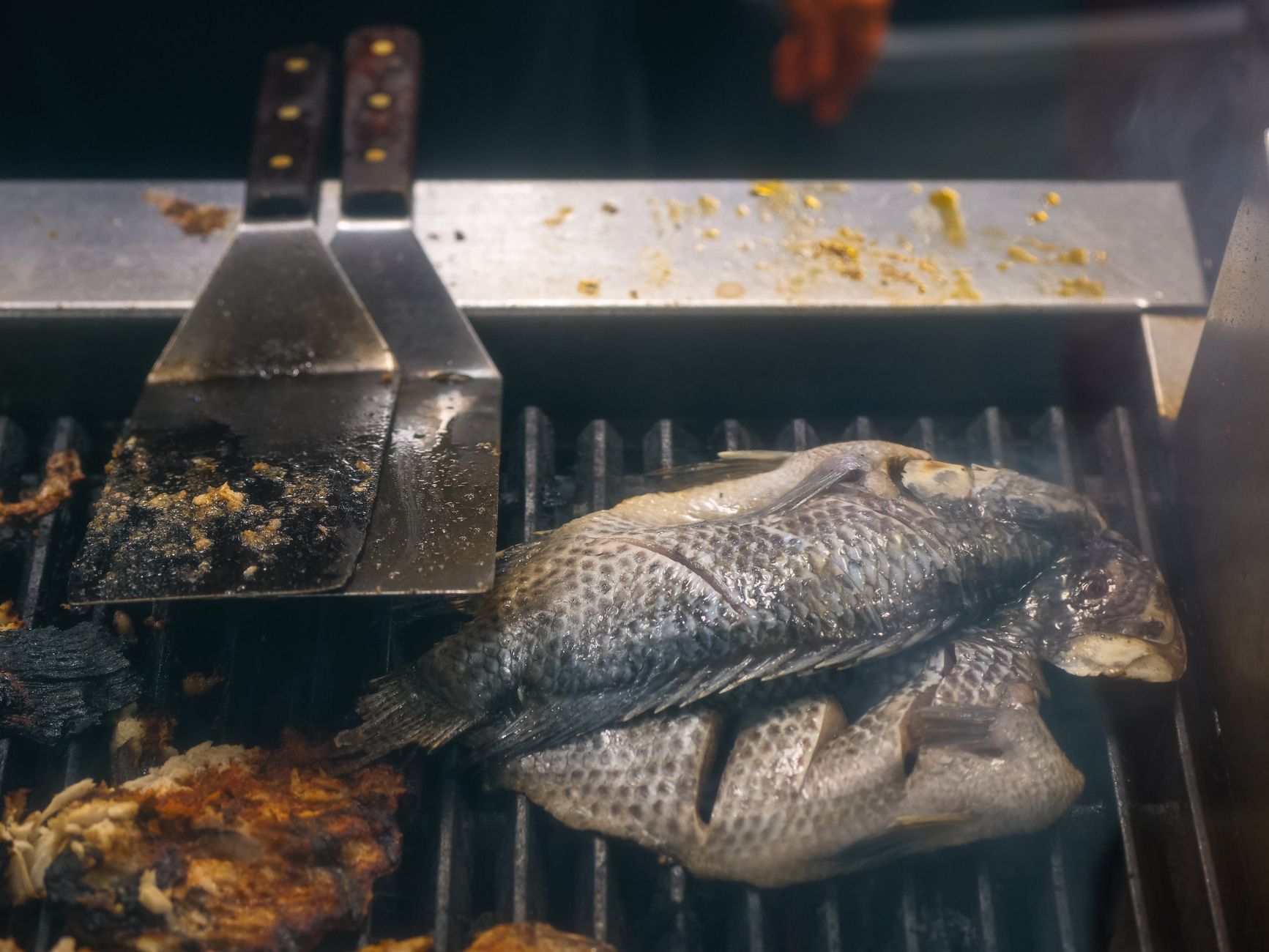
Carp is a freshwater fish that is often overlooked in culinary circles, largely due to its reputation for a muddy flavor and bony structure. However, when prepared correctly, carp can be a delicious and sustainable protein option. This article explores whether you can eat carp, how to prepare it, cooking methods, and tips for making the most of this often-misunderstood fish.
The carp is known for its mild flavor, tender texture, and versatility in various cuisines. From traditional dishes in Europe and Asia to modern adaptations, carp can fit seamlessly into many recipes. This guide will answer the question of whether you can eat carp and provide practical advice on how to make it palatable.
Can You Eat Carp?
Yes, you can eat carp. Despite its reputation, carp is consumed in many cultures around the world, particularly in Eastern Europe and Asia. With proper cleaning, cooking techniques, and flavorful seasoning, carp can be a satisfying meal option.
Understanding Carp
Before diving into how to prepare carp, it’s essential to understand the fish itself. Carp belong to a group of freshwater fish characterized by their elongated bodies, large scales, and whisker-like barbels.
Types of Carp
- Common Carp: The most widely known species, often associated with its strong earthy flavor.
- Grass Carp: Typically raised for aquaculture, it has a milder taste and fewer bones.
- Mirror Carp: Known for its unique scale patterns, this type is often prized for its flavor.
- Koi Carp: While primarily bred for ornamental purposes, koi can also be eaten but are less commercially available.
Nutritional Value
Carp is a good source of protein, containing essential amino acids, omega-3 fatty acids, and vitamins B12 and D. Moreover, it has a relatively low calorie count, making it a viable option for a healthy diet.
Cleaning and Preparing Carp
Cleaning carp can be somewhat more challenging than other fish due to its bony structure, but it is manageable with the right technique. Here’s how to do it:
Essential Equipment
- Fillet knife or sharp kitchen knife
- Cutting board
- Bucket for disposal of guts
- Paper towels or clean cloth
- Hands-free fish scaler (optional)
Steps for Cleaning Carp
- Scaling: Use the fish scaler or the back of your knife to remove the scales. Start from the tail and work towards the head. Rinse under cold water.
- Gutting: Place the fish on its side on the cutting board. Insert the knife near the vent (towards the tail) and make a shallow cut towards the head. Be careful not to puncture the intestines. Pull the guts out using your hand or knife.
- Removing the Head: If desired, cut off the head with a knife. This step is optional but can make filleting easier.
- Filleting: Lay the carp on its side. Make an incision behind the gills and cut down towards the backbone. Follow the bones along the ribcage to create fillets. Repeat on the other side.
- Removing the Skin: To remove the skin, start at the tail end, insert your knife between the flesh and skin and work your way down, holding the skin taut as you cut.
- Rinsing: Rinse the fillets thoroughly under cold water and pat dry with paper towels.
Tips for Handling Carp
- Always use fresh carp as soon as possible.
- Store carp fillets in the refrigerator or freezer if not immediately preparing them.
- Consider soaking the fillets in milk for a few hours to minimize any residual muddy flavors.
Cooking Methods for Carp
Carp can be prepared using various cooking methods, each bringing out different flavors. Here are some popular techniques:
Grilling
Grilling carp enhances its natural flavors and adds a delightful smoky aroma. It’s best to marinate the fish to complement its taste.
Ingredients for Grilled Carp
- 2 carp fillets
- 1/4 cup olive oil
- 2 tbsp lemon juice
- 2 cloves garlic, minced
- 1 tsp dried dill or parsley
- Salt and pepper to taste
Method for Grilling Carp
- In a bowl, mix olive oil, lemon juice, garlic, dill, salt, and pepper to create the marinade.
- Place carp fillets in a ziplock bag or shallow dish and pour the marinade over them. Seal and refrigerate for at least 30 minutes.
- Preheat the grill to medium heat. Oil the grill grates to prevent sticking.
- Place marinated fillets on the grill, skin side down. Cook for 4-5 minutes per side or until the fish is flaky and cooked through.
- Serve hot with lemon wedges and fresh herbs.
Baking
Baking offers a hands-off cooking approach and is great for solidifying flavors. It allows for various fillings and toppings that pair well with carp.
Ingredients for Baked Carp
- 2 carp fillets
- 1 cup breadcrumbs
- 1/4 cup grated Parmesan cheese
- 2 tbsp fresh parsley, chopped
- 2 tbsp melted butter
- Salt and pepper to taste
Method for Baked Carp
- Preheat your oven to 375°F (190°C) and grease a baking dish.
- In a bowl, mix breadcrumbs, Parmesan cheese, parsley, melted butter, salt, and pepper.
- Place carp fillets in the baking dish and top evenly with the breadcrumb mixture.
- Bake for 20-25 minutes or until the topping is golden brown, and the fish is cooked through.
- Serve warm, garnished with lemon or additional herbs.
Frying
Frying carp adds a crunchy texture to the exterior while keeping the interior moist. This method is particularly popular in many Asian and Eastern European cuisines.
Ingredients for Fried Carp
- 2 carp fillets
- 1 cup flour
- 2 eggs, beaten
- 1 cup cornmeal or breadcrumbs
- Oil for frying
- Salt and pepper to taste
Method for Frying Carp
- Set up a breading station with three shallow dishes for flour, beaten eggs, and cornmeal/breadcrumbs. Season each with salt and pepper.
- Heat oil in a skillet over medium-high heat.
- Coat the fillets in flour, then dip into the beaten eggs, and finally coat in cornmeal or breadcrumbs.
- Carefully place the coated fillets in the hot oil and fry for about 4-5 minutes on each side until golden brown and cooked through.
- Drain on paper towels and serve with tartar sauce or lemon wedges.
Common Mistakes in Cooking Carp
- Overcooking, which can lead to a dry texture. Aim for fish to flake easily with a fork.
- Not removing the bones properly, which can make the eating experience less enjoyable. Take your time when cleaning.
- Forgetting to season adequately. Carp can take on flavors well but still needs sufficient seasoning.
Serving Suggestions
Carp is versatile and pairs well with various side dishes. Consider serving it with:
- Steamed vegetables like asparagus or green beans
- Rice or quinoa for a hearty feel
- Salads with vinaigrette to cut through the fish’s richness
- Potatoes—mashed, roasted, or fries
Storing and Reheating Carp
For maximum freshness, consume cooked carp within 2-3 days if stored in the refrigerator. If you need to keep uncooked carp, it is advisable to freeze it. Wrap tightly in plastic wrap and foil, and store in an airtight container. When reheating, aim for a gentle method such as wrapping it in foil in a preheated oven at 300°F (150°C) until warmed through.
Carp in Different Cuisines
Carp is central to many culinary traditions. Here are a few regional highlights:
Eastern European Cuisine
In countries like Poland and Czech Republic, carp is often served during Christmas Eve dinner. It is prepared fried, in soups, or marinated in sweet and sour sauces.
Asian Cuisine
In regions of Asia, fresh carp is utilized in fish stews or grilled with spices. It is often enjoyed with rice and vegetables, enhancing the delicate flavors of the fish.
American Cuisine
Though less common, carp is gaining recognition among sustainable seafood advocates. Some American chefs are now incorporating it into contemporary dishes, emphasizing local sourcing and eco-friendliness.
Final Thoughts
Carp may not hold the esteemed status of some other fish, but it is a nutritious option that can be enjoyed with the right preparation and panache. If you’ve never tried it, consider exploring this fish for its unique taste and versatility in the kitchen.
Next time you’re looking for an affordable and sustainable protein, consider reaching for carp. With the correct cleaning and cooking methods, this fish can be a delightful addition to your meal rotation. For a different fish experience, you might want to explore a walleye recipe or learn about herring as a flavorful alternative.