
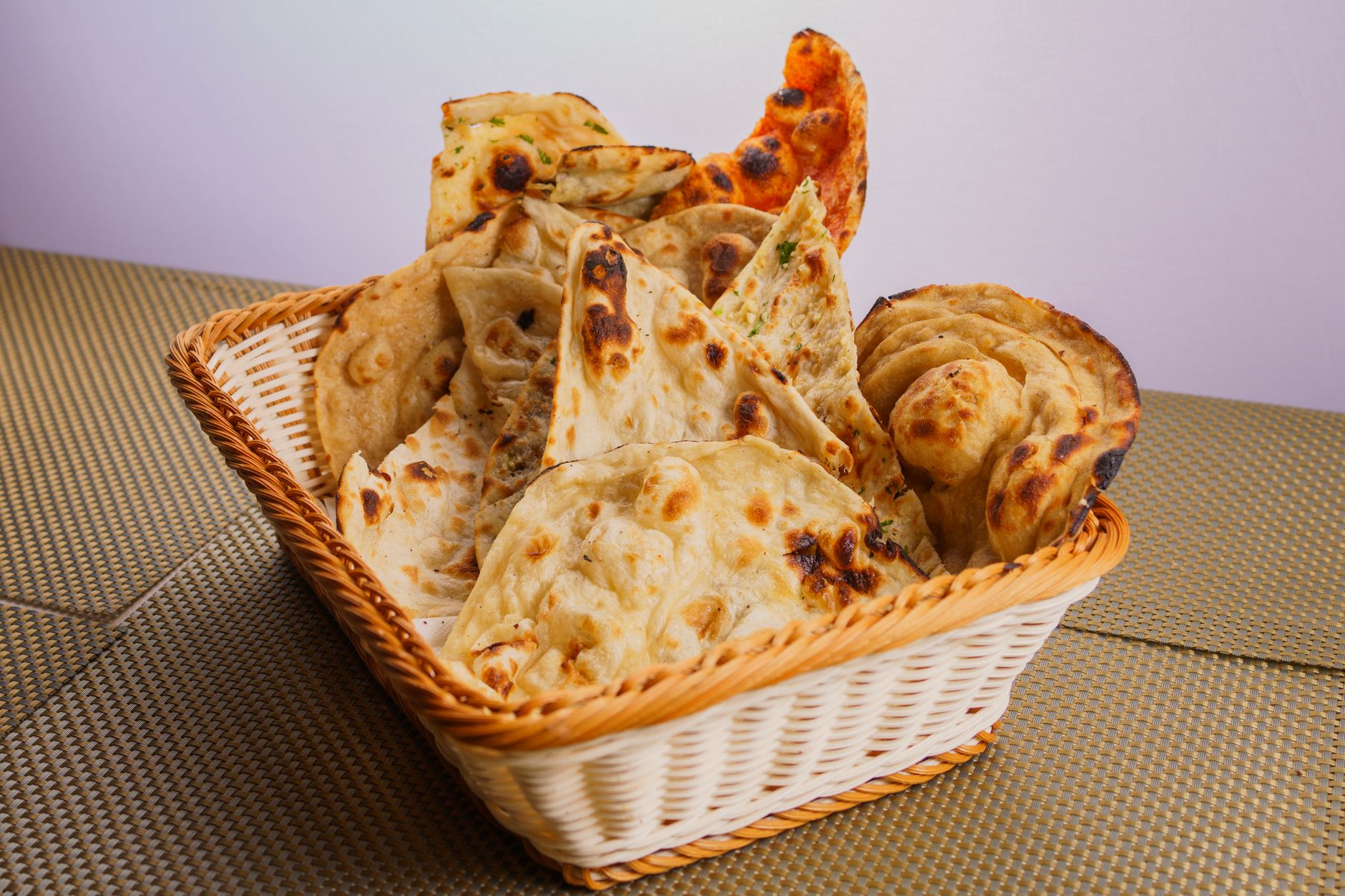
Naan bread is a soft, pillowy flatbread traditionally baked in a tandoor, rich in history and flavor. Popular in Indian cuisine, naan serves as an ideal accompaniment for various dishes, from rich curries to flavorful sambars. But as naan gains popularity globally, many are left to wonder: is naan bread healthy?
Understanding whether naan is a healthy choice involves dissecting its ingredients, nutritional value, and how it fits into a balanced diet. In this article, we will explore the health aspects of naan bread, including its ingredients, nutritional content, potential health benefits, and serving suggestions.
Is Naan Bread Healthy?
Naan bread can be both a flavorful and nutritious option depending on its ingredients and how it fits into your overall meal plan. While it does provide energy and can be part of a balanced diet, its healthiness can vary based on portion size, recipe variations, and accompanying dishes.
The Ingredients of Naan Bread
To assess the healthiness of naan bread, it’s essential to look at its traditional ingredients:
- All-Purpose Flour: This is the primary ingredient in most naan recipes. While it provides structure, it’s less nutritious than whole grain alternatives.
- Water: Essential for mixing and activating the flour.
- Yeast: Used for leavening, creating the characteristic puffiness.
- Salt: Enhances flavor but should be used in moderation.
- Dairy Products: Many recipes include yogurt or milk, adding moisture and a slight tang, along with protein and calcium.
- Butter or Ghee: Often brushed on after cooking, this adds flavor and richness but also increases calorie content.
Nutritional Breakdown of Naan Bread
Let’s take a closer look at the nutritional value per serving of traditional naan bread (approximately 100g, unadorned):
| Nutrient | Amount |
|---|---|
| Calories | 250-300 kcal |
| Carbohydrates | 50-55 g |
| Protein | 8-10 g |
| Fat | 5-10 g |
| Sodium | 400-500 mg |
| Fiber | 1-2 g |
The exact figures can vary based on recipe and preparation methods, particularly with the addition of butter or ghee.
Health Benefits of Naan Bread
Despite potential drawbacks, naan bread can offer some health benefits when included in a balanced diet:
- Energy Source: With its high carbohydrate content, naan bread provides a quick source of energy, making it suitable for active individuals.
- Versatile Pairing: Naan can enhance a meal when paired with healthier options such as vegetables, legumes, and lean proteins, providing a harmonious balance.
- Digestive Benefits: The presence of yogurt in many naan recipes can contribute probiotic benefits, potentially aiding in digestion.
Drawbacks of Naan Bread
While naan bread has its benefits, it’s important to also consider the drawbacks:
- High in Calories: Naan can be calorically dense, particularly if made with added fats. If you’re watching your weight, be mindful of portion sizes.
- Low Fiber Content: Traditional naan made with refined flour lacks the fiber found in whole grain options, which is important for digestive health.
- Potential Sodium Concerns: Sodium content can be high, particularly if consumed with salty dishes. Monitoring your overall intake is essential.
Healthier Alternatives to Traditional Naan
If you’re looking to enjoy naan while prioritizing your health, consider these alternatives:
- Whole Wheat Naan: Made with whole wheat flour, this version increases fiber content and has a lower glycemic index.
- Gluten-Free Naan: Alternative flours such as chickpea or almond flour can be used to cater to those with gluten sensitivities.
- Low-Calorie Naan: Some recipes use less oil, yogurt or alternatives like Greek yogurt to cut down on calories while maintaining flavor.
Portion Control and Serving Suggestions
To truly enjoy naan bread while keeping your meals healthy, portion control plays an essential role. Here are some serving suggestions:
- Pair with Nutritious Dishes: Serve naan alongside roasted vegetables, lentil dishes, or low-fat curries to create a balanced meal.
- Use as a Wrap: Instead of using naan as a side, use it to wrap fillings that include proteins and vegetables for a convenient, hand-held meal.
- Mindful Eating: Be aware of how much naan you consume, especially when dining out, as serving sizes can be larger.
How to Prepare Naan Bread at Home
Making naan at home is not only rewarding but allows you to control the ingredients, making it a healthier option. Here’s a simple recipe for homemade naan:
Ingredients
- 2 cups all-purpose flour
- 1 teaspoon active dry yeast
- 1 teaspoon sugar
- 3/4 cup warm water (100-110°F)
- 1/4 cup plain yogurt
- 1 teaspoon salt
- 2 tablespoons butter or ghee, melted (for brushing)
Equipment Needed
- Mixing bowl
- Dough scraper
- Rolling pin
- Skillet or tandoor
- Pastry brush
Method
- In a mixing bowl, combine warm water, yeast, and sugar. Let it sit for 10 minutes until frothy.
- Add flour, yogurt, and salt to the yeast mixture. Mix until a dough forms.
- Knead on a floured surface for about 5-7 minutes until smooth. Place in a lightly greased bowl and cover with a towel. Let it rise for about 1 hour or until doubled in size.
- Once risen, punch down the dough and divide it into small balls (about six). Roll each ball into an oval shape, about 1/4 inch thick.
- Heat a skillet over medium-high heat. Place the rolled naan in the skillet and cook for about 1-2 minutes until bubbles appear. Flip and cook for an additional minute.
- Remove from the skillet and brush with melted butter or ghee.
Common Mistakes and Troubleshooting
Here are some common pitfalls when making naan and tips on how to avoid them:
- Dough Too Sticky: If your dough is too sticky, add a little more flour as needed while kneading.
- Under-Risen Dough: Make sure to use fresh yeast and allow ample rising time in a warm place.
- Naan Not Puffing Up: Ensure your cooking surface is hot enough to create steam, which helps the bread puff up.
Storage and Reheating Tips
If you make naan bread ahead of time, here are storage and reheating tips:
- Store cooled naan in an airtight container at room temperature for up to 2 days or refrigerate for longer shelf life.
- For freezing, wrap each naan individually in plastic wrap and store in a freezer bag for up to 3 months.
- To reheat, wrap in a damp paper towel and microwave for 10-15 seconds, or warm in a skillet for a few minutes.
The Cultural Significance of Naan
Naan is not just a food item; it has cultural significance in many countries. Traditionally baked in a tandoor, naan symbolizes hospitality in Indian households and is often served to guests as a sign of respect. Its variations can reflect regional flavors and ingredients, leading to unique adaptations around the world.
Final Thoughts
Naan bread can be part of a healthy diet if enjoyed thoughtfully. By considering its ingredients, portion sizes, and nutritional content, you can enjoy naan without compromising your health. Experiment with homemade versions and healthier alternatives to savor its delightful taste while aligning with your dietary goals.
Now that you have insights into naan bread, explore related recipes such as this sourdough naan recipe or try making cottage cheese flatbread for a nutritious twist on traditional bread.