
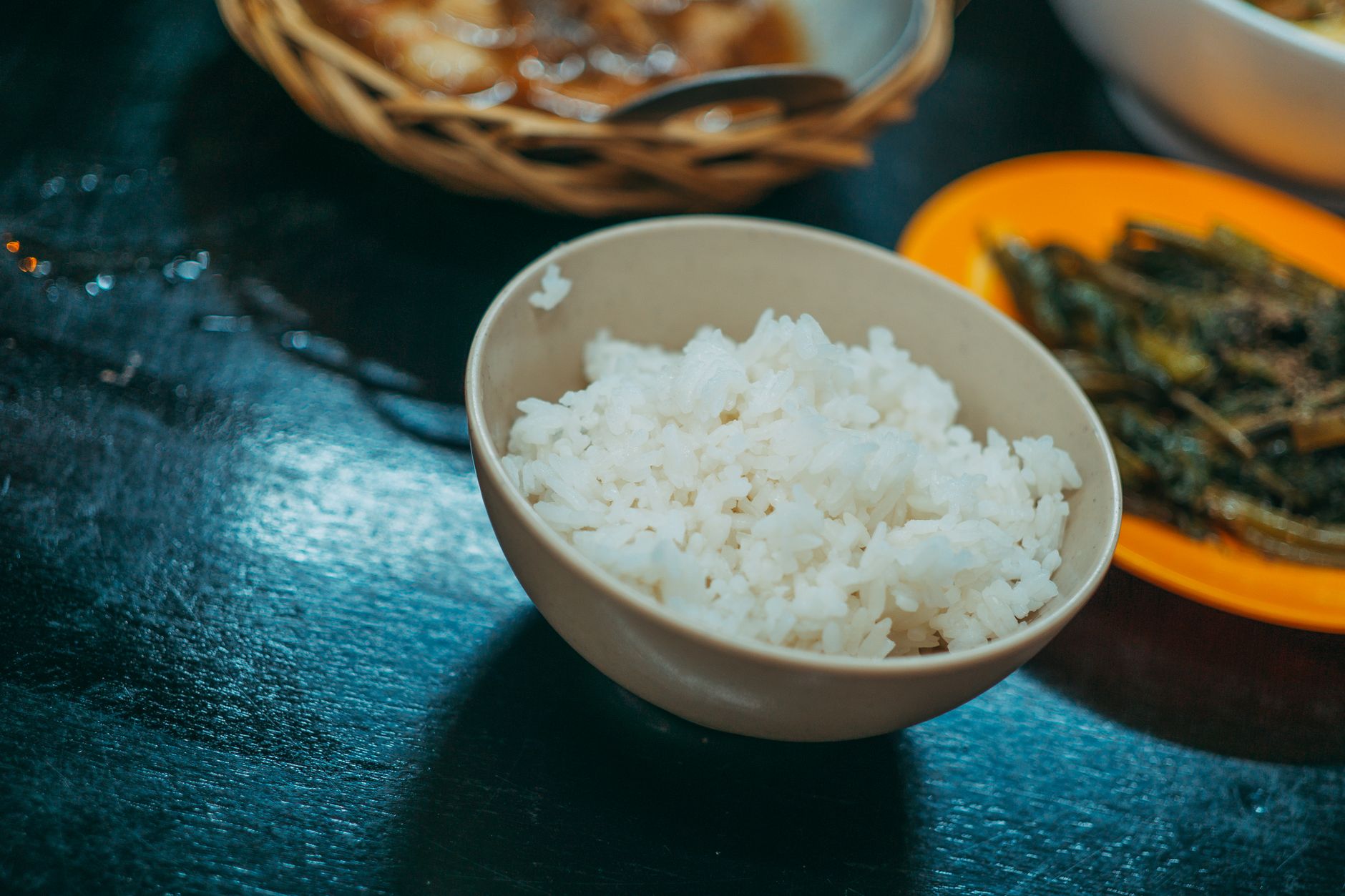
Converted rice, also known as parboiled rice, is a unique ingredient with specific cooking properties and nutritional benefits. It undergoes a process that changes the grain at both the physical and chemical levels, enhancing its flavor, texture, and nutritional profile. Whether you’re exploring this ingredient for your next meal or aiming to understand its versatility, it’s worth knowing more about how to use converted rice.
This article outlines what converted rice is, how it is made, its uses in cooking, and how it compares to other rice varieties. By the end, you’ll have a complete understanding of this ingredient and feel confident in incorporating it into your culinary repertoire.
What Is Converted Rice?
Converted rice is rice that has been partially boiled in the husk, which allows the grains to absorb some nutrients from the bran layer. This process, known as parboiling, leads to several beneficial qualities. The rice retains more vitamins and minerals, has a firmer texture after cooking, and is less sticky than other types of rice.
How Is Converted Rice Made?
The process of making converted rice involves several steps:
- Harvesting and Milling: The rice grains are harvested and typically undergo initial milling to remove the outer husk.
- Soaking: The grains are soaked in hot water, which begins to soften them.
- Steaming: Before drying, the soaked rice is steamed. This step helps push nutrients from the bran into the grain.
- Drying: After steaming, the rice is dried to reduce moisture content, which makes it more stable for storage and cooking.
- Milling Again: Finally, the rice may undergo further milling to remove the bran layer, although some brands sell it with the bran intact.
Flavor and Texture Profile
Converted rice has a different flavor and texture compared to regular white rice and brown rice. Its flavor is slightly nutty, but it’s less pronounced than that of brown rice due to the partial milling process. The texture is firmer and more separate, making it a great candidate for dishes where you want distinct grains rather than a sticky consistency.
Common Varieties of Converted Rice
While the term “converted rice” typically refers to parboiled long-grain rice, there are a few varieties worth mentioning:
- Long-Grain Converted Rice: This is the most common type and is favored for its separate, fluffy texture, making it excellent for pilafs or as a side dish.
- Converted Jasmine Rice: A fragrant version of converted rice, offering a delicate floral scent alongside its nutty flavor.
- Converted Basmati Rice: Known for its exceptional aroma and fluffy texture, this variety is often used in Indian and Middle Eastern cuisines.
Benefits of Using Converted Rice
Converted rice offers numerous benefits that make it a favorable choice in many culinary applications:
- Nutritional Value: The parboiling process retains more nutrients, especially B vitamins and minerals like iron and magnesium, compared to regular white rice.
- Less Stickiness: The grains do not clump together as much as white rice does, making it easier to serve and use in stir-fries and salads.
- Cooking Time: It typically cooks faster than brown rice while still providing some of the whole grain benefits.
Culinary Uses of Converted Rice
Converted rice is remarkably versatile and can be used in numerous dishes across various cuisines. Here are some common culinary uses:
As a Side Dish
Converted rice can be served as a simple yet flavorful side dish. It pairs well with grilled meats, fish, and vegetables. A basic preparation might include:
- Boiling the rice in water or broth.
- Adding herbs and spices, such as garlic and thyme, for extra flavor.
In Salads
Its firm texture makes converted rice an excellent base for salads, providing a nutty flavor and satisfying chew. Consider combining it with:
- Chopped vegetables, such as bell peppers and cucumbers.
- Dressings, such as lemon vinaigrette for a refreshing dish.
- Protein sources, like beans or grilled chicken.
In Stir-Fries
Converted rice works well in stir-fries due to its non-sticky nature. To make a delicious stir-fry:
- Cook the rice separately until fluffy.
- Stir-fry your choice of vegetables and protein in a hot skillet.
- Add the cooked rice towards the end, seasoning with soy sauce or teriyaki sauce.
In Casseroles
The rice holds up well in casseroles, absorbing the flavors of the dish while maintaining its texture. Some popular casserole ideas include:
- Chicken and rice casserole with cream of mushroom soup and broccoli.
- Tuna and rice casserole topped with cheese and breadcrumbs.
In Soups and Stews
Converted rice makes a hearty addition to soups and stews, thickening the liquid while contributing flavor. Here are a few ideas:
- Chicken soup with converted rice, carrots, and celery.
- Vegetable stew with beans and converted rice for added protein.
Cooking Converted Rice: Method and Tips
Cooking converted rice is similar to cooking other types of rice, but there are some specific tips and techniques to ensure the best results:
Basic Cooking Instructions
- Measure the Rice: Common servings are 1 cup of converted rice for 2-3 servings.
- Rinse (Optional): Rinse the rice until the water runs clear to remove excess starch, if desired.
- Water Ratio: Use a 2:1 water-to-rice ratio. For instance, for 1 cup of rice, use 2 cups of water or broth.
- Bring to a Boil: Bring the water to a gentle boil, then add the rice.
- Simmer: Reduce the heat to low, cover, and simmer for 15-20 minutes or until water is absorbed.
- Rest: Remove from heat and let sit for 5-10 minutes before fluffing with a fork.
Common Mistakes to Avoid
Here are some common pitfalls when cooking converted rice and how to avoid them:
- Overcooking: Keep an eye on the cooking time, as overcooked rice can become mushy.
- Wrong Water Ratio: Always stick to the correct water-to-rice ratio to avoid rice that is too dry or too watery.
- Skipping the Resting Step: Letting the rice rest after cooking allows for better texture and flavor.
Substitutions for Converted Rice
If you don’t have converted rice on hand, there are several substitutes you can consider, although each will impart a different texture and flavor:
- Long-Grain White Rice: A good substitute, though it may be a bit stickier than converted rice.
- Brown Rice: More nutritious but requires longer cooking time and yields a chewier texture.
- Basmati Rice: Provides a lovely aroma and flavor, but it will differ somewhat in texture.
- Quinoa: A gluten-free option that’s rich in protein and provides a different flavor profile.
Storage and Shelf Life
Proper storage of converted rice can enhance its longevity. Follow these tips:
- Store in a Cool, Dry Place: Keep it in an airtight container in a pantry or cupboard away from heat sources.
- Shelf Life: Uncooked converted rice can last up to 2 years if stored correctly. Cooked converted rice should be consumed within 4-6 days if refrigerated.
- Freezing Cooked Rice: If you have excess cooked rice, it can be frozen for up to 6 months. Be sure to cool it first and store in airtight bags or containers.
Menu Ideas Featuring Converted Rice
Incorporating converted rice into your meals can add variety and nutrition. Here are some inspiring menu ideas:
Breakfast Bowl
- Combine cooked converted rice with scrambled eggs, sautéed spinach, and avocado, topped with salsa for a hearty breakfast.
Lunch Bowl
- Create a Buddha bowl with cooked converted rice, chickpeas, roasted vegetables, and tahini dressing.
Dinner Plate
- Serve grilled chicken with converted rice pilaf, mixed veggies, and a side salad for a balanced dinner.
Vegetarian Stir-Fry
- Stir-fry tofu and mixed vegetables, adding cooked converted rice and soy sauce for a quick, nutritious meal.
Conclusion
With its unique processing method, converted rice stands out as a nutritious and versatile ingredient in your kitchen. By understanding its cooking properties, benefits, and various uses, you can enjoy the delightful texture and flavor it adds to your meals.
To explore more delicious recipes, check out the seasoned rice recipe or try a Puerto Rican rice recipe for further inspiration in your cooking adventures!