
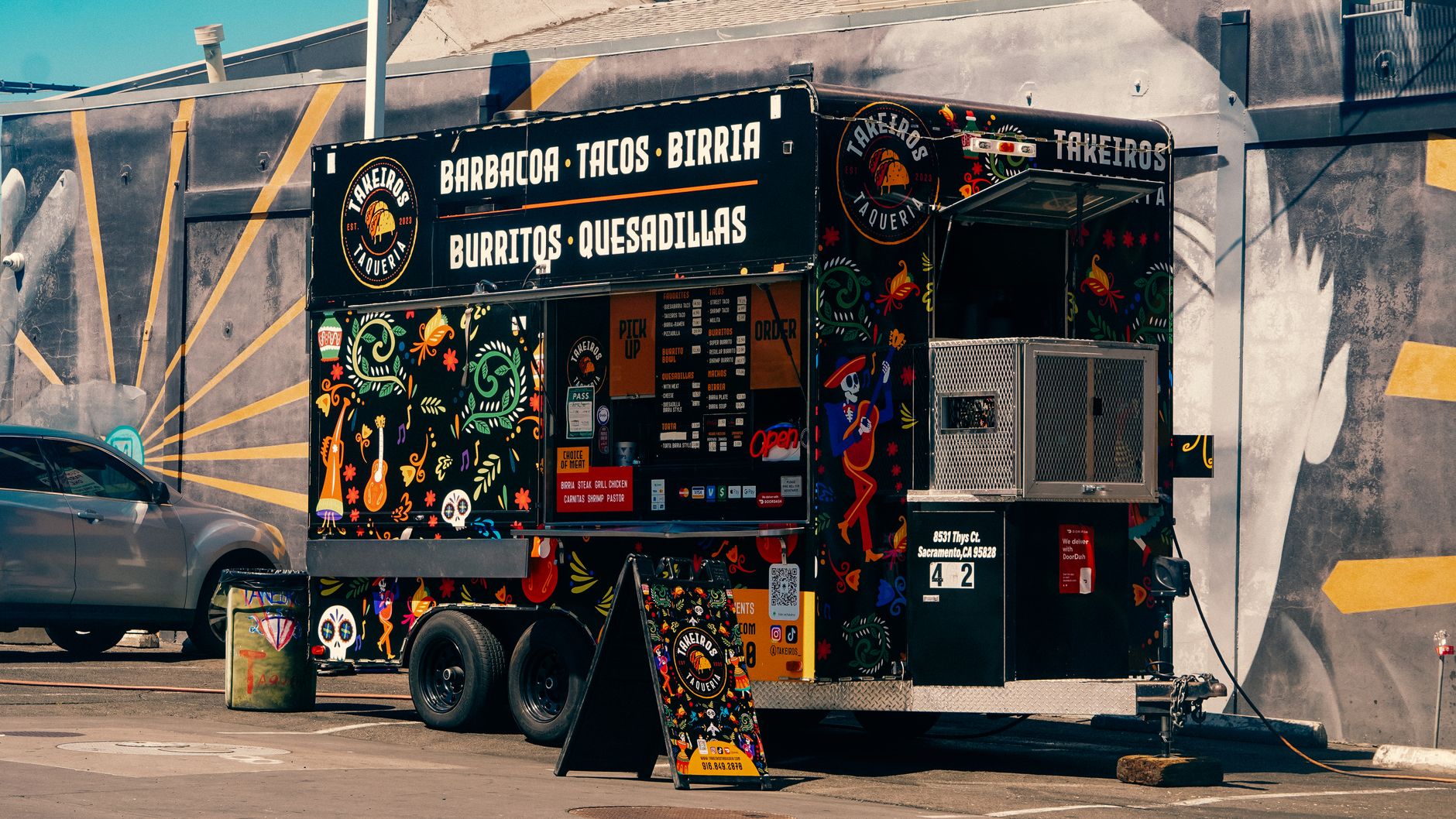
Birria is a traditional Mexican dish renowned for its rich flavors and savory appeal. This stewed meat dish originates from the state of Jalisco and typically combines tender, slow-cooked meats with a variety of spices, resulting in a comforting, aromatic experience. Understanding the types of meat commonly used in birria is essential for anyone eager to replicate this culinary classic at home.
Birria can be made using different meats, with goat and beef being the most popular choices. However, some variations incorporate lamb or even chicken, depending on regional preferences and personal taste. The selection of meat not only influences the flavor profile but also the overall texture of the final dish.
What Kind Of Meat Is Birria?
The most common meats used in birria are goat, beef, lamb, and chicken; each offers unique flavor and texture. Goat meat is traditional, often yielding a tender and flavorful stew. Beef is also widely used, especially in the United States, where it tends to be more accessible. Lamb provides a gamier experience, while chicken birria is a lighter alternative.
The Traditional Choice: Goat
Goat is the authentic meat you’ll find in traditional birria recipes from Jalisco. It provides a distinct, slightly gamey flavor that pairs beautifully with the complex spices typical of the dish. Some key points about goat meat include:
- Flavor Profile: Goat is rich and slightly spicy, making it perfect for absorbing the flavors of spices and seasonings.
- Texture: When cooked low and slow, goat becomes extremely tender, breaking down into juicy, melt-in-your-mouth pieces.
- Regional Preference: In many parts of Mexico, goat birria is a festive dish often served at celebrations and family gatherings.
Beef: A Popular Adaptation
In many places, especially in the United States, beef has become the more common choice for birria. This adaptation caters to local tastes and availability. Here are the pros and cons of using beef:
- Flavor Profile: Beef offers a heartier flavor than goat, which some may prefer. It is often seasoned generously to enhance its taste.
- Texture: Beef, particularly cuts like chuck or brisket, becomes tender when braised, although it can vary depending on cooking time and cut.
- Accessibility: Beef is generally more widely available and may be a more familiar option for those unfamiliar with goat.
Lamb: A Unique Alternative
Lamb birria is less common but is a delightful variation worth considering. Here’s what you should know about lamb:
- Flavor Profile: Lamb offers a distinct, rich flavor with a slightly gamey taste that pairs well with the aromatic spices of birria.
- Texture: Similar to goat, lamb can become tender when slow-cooked, although cuts need careful selection to ensure they don’t become tough.
- Occasional Use: This variation is often found in certain regions or at specialty restaurants, appealing specifically to fans of lamb.
Chicken: A Lighter Option
Chicken birria is gaining popularity, especially among those looking for a lighter, leaner alternative. Here’s a breakdown:
- Flavor Profile: Chicken has a milder flavor compared to goat or beef, making it versatile for various spices. It absorbs flavors well, resulting in a deliciously seasoned dish.
- Texture: When cooked properly, chicken birria can be tender and juicy but requires monitoring to prevent overcooking.
- Health Consideration: Being lower in fat, chicken is a good option for those seeking a healthier meal without sacrificing flavor.
Choosing the Right Cut
The choice of meat cut also significantly impacts the final dish. Here’s a guide on selecting the best cuts for birria:
For Goat
- Shoulder: This cut has some fat, which adds flavor and tenderness during cooking.
- Leg: This leaner cut is flavorful but can be a bit tougher, so it benefits from longer cooking times.
For Beef
- Chuck Roast: This cut is ideal for braising due to its fat content, resulting in a juicy, tender texture.
- Brisket: Known for its rich flavor and tender texture when cooked properly, brisket makes a great choice for beef birria.
For Lamb
- Lamb Shanks: These cuts have a lot of connective tissue and will become tender over longer cooking times.
- Shoulder: This cut has a good balance of meat and fat and offers fantastic flavor.
For Chicken
- Thighs: Chicken thighs are darker and juicier than breasts, making them ideal for birria.
- Whole Chicken: Using a whole chicken can enhance the dish’s flavor, as the bones add depth to the broth.
Cooking Techniques for Birria
The cooking method is as integral to birria as the meat itself. Traditionally, birria is made through the process of slow cooking or braising. Here’s how it works:
Slow Cooking
This method allows the flavors to meld beautifully. Ingredients are typically combined in a pot or slow cooker. The meat is seared first to develop a crust before being simmered in a broth of spices, chilies, and additional flavorings.
Braising
Braising is a key technique in birria preparation. The meat is first browned on high heat, and then it simmers slowly with liquid until tender. This creates a rich and flavorful broth, which is often served alongside the meat.
Seasoning and Flavoring Birria
The flavors of birria come from a combination of spices, herbs, and other flavorings. Here are some key components used in birria:
- Dried Chilies: Commonly used chilies include guajillo, ancho, and pasilla. These lend depth and subtle heat to the sauce.
- Garlic and Onion: These aromatics add essential flavor and richness to the dish.
- Herbs: Oregano and bay leaves are frequently used to enhance the complexity of flavors.
- Vinegar: Some recipes call for a splash of vinegar, which adds brightness and balances the richness of the meat.
Common Mistakes and Troubleshooting
When making birria, a few common missteps may occur. Being aware of these can help you avoid pitfalls:
- Not Browning the Meat: Skipping the browning step may result in a lack of depth in the final flavor. Always caramelize the meat for better taste.
- Overcooking the Meat: Especially for chicken, be careful not to overcook it, as it could become dry and tough. Monitor cooking times carefully.
- Ignoring the Balance of Spices: Finding the right balance between heat and flavor is crucial. Adjusting spices to taste after blending will help achieve a satisfactory flavor.
Storage and Reheating Birria
Storing birria properly helps preserve its flavor and texture. Here are some tips:
- Refrigeration: Store birria in an airtight container in the refrigerator for up to three days. It often tastes even better the next day, as the flavors develop further.
- Freezing: Birria can be frozen for up to three months. Ensure it is cooled completely before transferring to a freezer-safe container.
- Reheating: Reheat birria on the stovetop over low heat until warmed through. Adding a bit of water or broth can help restore moisture.
Serving Suggestions for Birria
Birria is traditionally served as a stew or in tacos. Here are some popular serving options:
- Birria Tacos: Shredded birria meat can be served in corn tortillas, often with a side of consomé for dipping.
- Consomé: The broth alongside birria is packed with flavor. Serve it in small cups for sipping or dipping.
- Sides: Accompany birria with diced onions, cilantro, lime wedges, and salsa for added flavor and freshness.
Birria is a celebratory dish with deep roots in Mexican culture, often reserved for fiestas and gatherings. Its many variations and adaptations make it a versatile choice for any occasion.
To begin exploring birria, choose your preferred meat, gather the necessary ingredients, and decide whether to create a stew or tacos. Regardless of the route you take, preparing birria is sure to be a rewarding culinary endeavor. Don’t forget to check out our guide on making carnivore bread and learn about tasso as well. Happy cooking!