
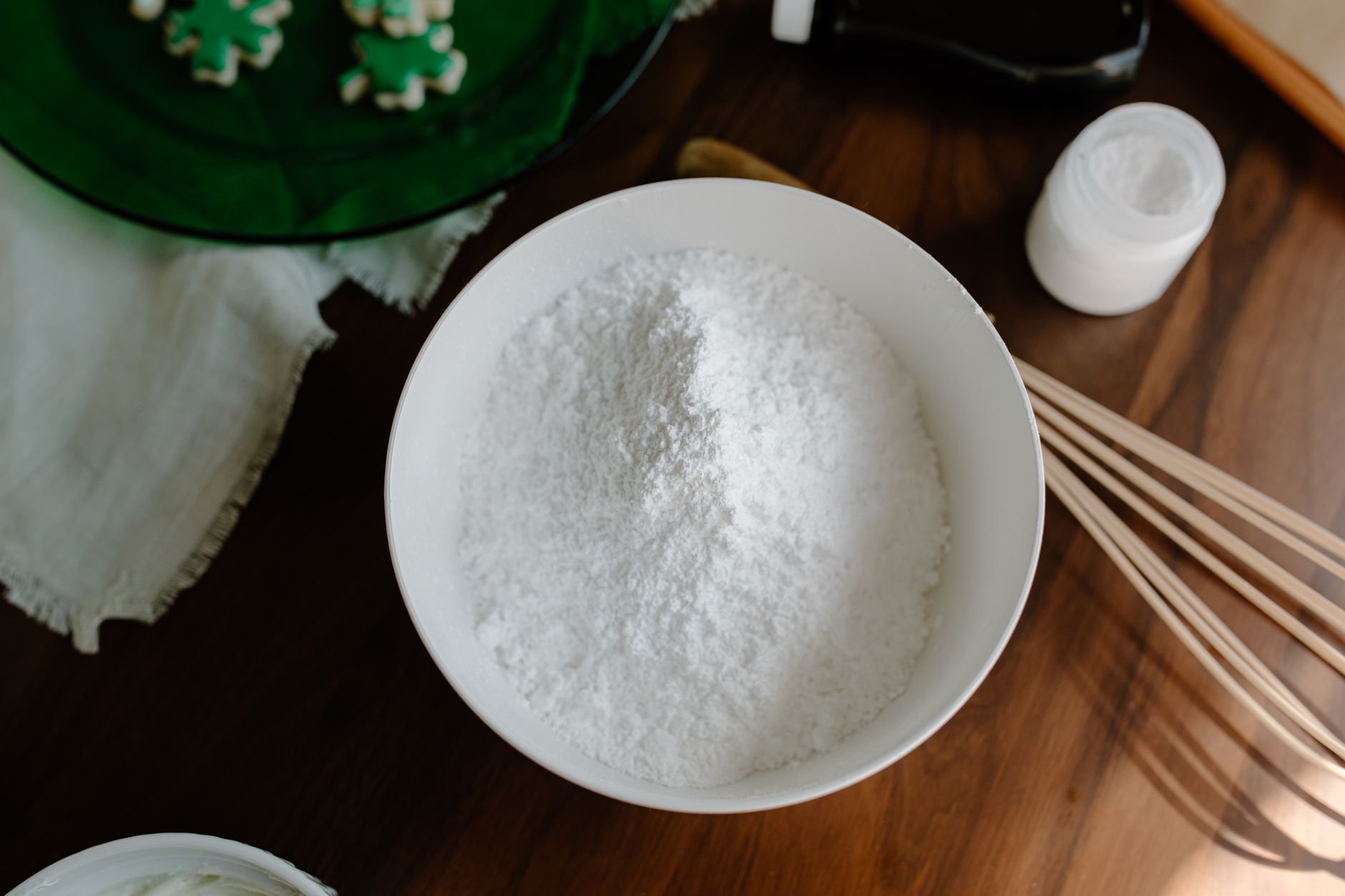
Understanding how many cups are in a pound of powdered sugar is essential for anyone who bakes or makes desserts. Precise measurements are crucial in baking as they directly affect the texture, sweetness, and overall success of your culinary creations.
This guide will provide you with a comprehensive understanding of powdered sugar, its uses, conversions, and tips for measuring accurately, so you can achieve the best results in your baking endeavors.
How Many Cups In A Pound Of Powdered Sugar?
There are approximately 4 cups in a pound of powdered sugar. This conversion can vary slightly based on the brand and how the sugar is packed, but generally, this ratio holds true for most standard measurements.
What Is Powdered Sugar?
Powdered sugar, also known as confectioners’ sugar or icing sugar, is finely ground granulated sugar. It is often mixed with a small amount of anti-caking agent, such as cornstarch, to prevent clumping. This sugar is key for creating smooth frostings, batters, and dusting decorations for pastries and desserts.
Flavor and Texture
The primary flavor of powdered sugar is sweet, much like granulated sugar. However, because of its fine texture, it dissolves quickly, resulting in a smoother mouthfeel compared to granulated sugar. This quality makes it ideal for recipes that require a smooth consistency, like icing or whipped cream.
Culinary Uses
Powdered sugar is incredibly versatile and commonly used in various applications:
- Frostings and Icing: A primary component of many frostings, giving them sweetness and creaminess.
- Baking: Used in many baking recipes, such as cakes and cookies, for sweetening while maintaining texture.
- Dusting: Sprinkled over desserts like cakes and doughnuts for a decorative touch.
- Milkshakes and Smoothies: To sweeten beverages without graininess.
- Homemade Confections: Ideal for making candies, chocolate molds, and truffles.
Measuring Powdered Sugar
Accurate measurement of powdered sugar is essential for successful baking and cooking. Here are some tips for measuring powdered sugar correctly:
Methods of Measurement
- Spoon and Level Method: Use a spoon to scoop powdered sugar into your measuring cup. Overfill it, then level off with a straight edge, like a knife. This method is highly recommended for precision.
- Packing Method: Some bakers may lightly pack powdered sugar into the measuring cup. However, this is not advisable, as it can lead to excessive amounts, resulting in overly sweet baked goods.
- Weight Measurement: If precision is vital, consider weighing your powdered sugar. A standard cup of powdered sugar usually weighs around 4 ounces (113 grams). This method eliminates variability in measuring by volume.
Substitutions and Alternatives
If you find yourself out of powdered sugar, there are a few suitable substitutes you can use, though they may alter the texture and flavor slightly:
- Granulated Sugar: You can make your own powdered sugar by blending granulated sugar in a blender or food processor until it reaches a fine, powdery texture.
- Brown Sugar: While it won’t create the same texture, brown sugar can be used in certain recipes if you desire a caramel-like flavor. Keep in mind that brown sugar will impart moisture to your bake.
- Agave Syrup or Honey: These liquid sweeteners can be used in frosting, but will change the consistency and may require adjustments to dry ingredients.
Common Mistakes When Using Powdered Sugar
Despite its simplicity, baking with powdered sugar can be tricky. Here are some common pitfalls and how to avoid them:
Overmeasuring
One of the biggest mistakes is using too much powdered sugar. When estimating by volume, it’s essential to spoon and level rather than packing it in, as this can result in a sweeter and denser outcome.
Not Sifting
Powdered sugar tends to clump. Not sifting before use can lead to a lumpy texture in frostings or batters. Always sift to achieve a smooth mixture.
Ignoring the Recipe
Understanding the recipe’s requirements is crucial. Some recipes might call for sifted powdered sugar while others require it measured in its packed form. Always read instructions carefully.
Tips for Working with Powdered Sugar
Follow these practical tips to work effectively with powdered sugar in your baking:
Storing Powdered Sugar
To maintain the freshness of your powdered sugar, store it in an airtight container in a cool, dry place. This prevents clumping and keeps it ready for use anytime. Avoid storing it near moisture or heat sources.
Incorporating into Recipes
When mixing powdered sugar into recipes, add it gradually, especially in frostings or batter. This helps avoid clumps and ensures even incorporation.
Adjusting Consistency
When creating frostings or glazes, the consistency can be adjusted by adjusting the amount of powdered sugar. For thicker frostings, add more sugar; for thinner glazes, add a small amount of liquid.
Popular Recipes Using Powdered Sugar
Applying knowledge about powdered sugar becomes even more exciting when using it in various recipes. Here are a few classic recipes where powdered sugar takes center stage:
Royal Icing
This easy royal icing is perfect for decorating cookies:
- 2 cups powdered sugar
- 1 egg white or 2 tablespoons meringue powder
- 1-2 tablespoons water
- In a bowl, mix the powdered sugar with egg white or meringue powder.
- Gradually add water until you achieve the desired consistency.
- Use immediately or cover to prevent hardening.
Buttercream Frosting
This classic buttercream recipe will elevate any cake:
- 1 cup unsalted butter, softened
- 4 cups powdered sugar, sifted
- 2 tablespoons milk
- 1 teaspoon vanilla extract
- In a mixing bowl, beat the softened butter until creamy.
- Gradually add the sifted powdered sugar, mixing on low speed until incorporated.
- Add milk and vanilla, then beat on medium-high speed until fluffy.
Powdered Sugar Icing
For a quick icing option, try this straightforward recipe:
- 1 ½ cups powdered sugar
- 2-3 tablespoons milk
- 1 teaspoon vanilla extract (optional)
- In a bowl, combine powdered sugar and vanilla extract.
- Add milk gradually until you reach the desired consistency.
- Drizzle over baked goods or use for dipping.
Baking Trends and Innovations
As baking trends evolve, the use of powdered sugar also adapts. Here are some modern ways powdered sugar is being used:
Flavored Powdered Sugars
In trendy bakery offerings, flavored powdered sugar has become popular. By infusing cocoa powder, cinnamon, or vanilla bean into powdered sugar, bakers can customize sweet toppings for their desserts.
Health-Conscious Alternatives
With an increasing trend towards health-conscious baking, options like coconut sugar and other natural sweeteners are being experimented with. However, these alternatives often require adjustment in ratios and baking times.
Final Thoughts
Understanding how many cups there are in a pound of powdered sugar is just the beginning of mastering this versatile ingredient. With the right measuring techniques, practical tips, and a bit of experimentation, powdered sugar can help you create delicious treats that delight the senses.
Now that you feel confident about using powdered sugar, why not explore how to make a delightful powder sugar icing or frosting for sugar cookies? Check out our detailed guides: Powdered Sugar Icing Recipe and Sugar Cookie Frosting Recipe for delicious ideas that will sweeten your baking experience.