
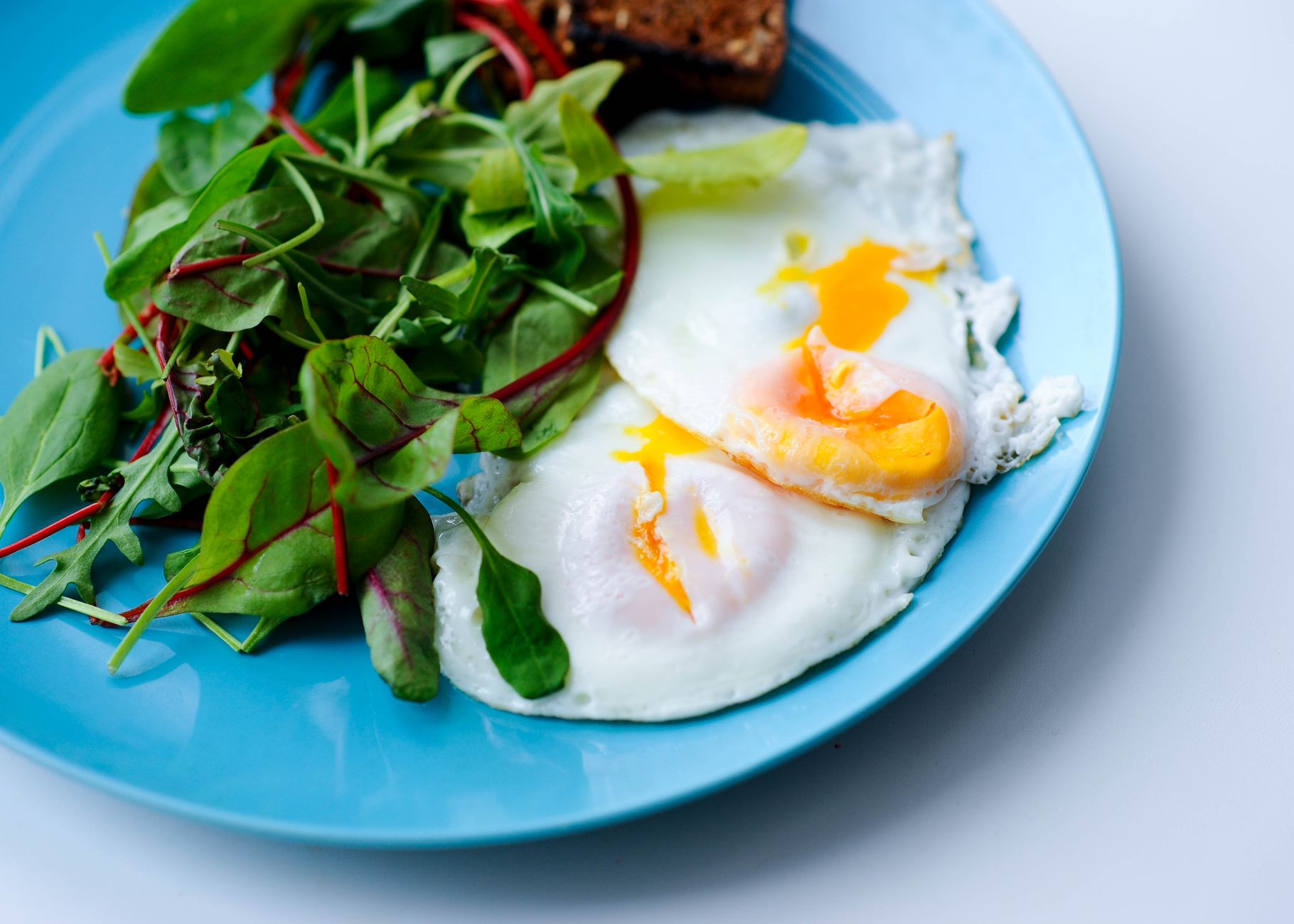
Eggs are a staple in many diets due to their versatility, nutritional value, and convenience. They can be cooked in various ways and incorporated into numerous dishes. One common question that arises among health-conscious individuals or those tracking their caloric intake is how many calories are in two eggs.
The calorie content in eggs can depend on several factors, including their size and how they are prepared. This article will provide a comprehensive overview of the caloric value of two eggs, as well as their nutritional benefits and various ways to enjoy them.
How Many Calories Are In Two Eggs?
On average, a large whole egg contains approximately 70 calories. Therefore, two large eggs would amount to about 140 calories. However, this figure can vary slightly based on the specific size of the eggs being used. Let’s break it down further.
Understanding Egg Sizes and Their Caloric Content
Eggs come in various sizes, and their calorie content differs accordingly. Here’s a brief overview:
- Small Egg: Approximately 54 calories per egg
- Medium Egg: Approximately 63 calories per egg
- Large Egg: Approximately 70 calories per egg
- Extra Large Egg: Approximately 80 calories per egg
- Jumbo Egg: Approximately 90 calories per egg
Knowing these values can help you calculate the total caloric content based on the number and size of eggs you plan to consume. For example, if you opt for two medium eggs, it would provide roughly 126 calories.
Nutritional Profile of Two Large Eggs
The caloric count is just one aspect of eggs; they are also rich in essential nutrients. Here’s a basic nutritional breakdown for two large eggs:
| Nutrient | Amount in Two Large Eggs |
|---|---|
| Calories | 140 |
| Protein | 12 grams |
| Fat | 10 grams |
| Carbohydrates | 1 gram |
| Cholesterol | 370 mg |
| Sodium | 140 mg |
| Vitamin D | 41 IU |
| Calcium | 56 mg |
| Iron | 1.2 mg |
This profile highlights that eggs can be an excellent source of high-quality protein, healthy fats, and essential vitamins and minerals. The protein content makes them popular among those looking to build muscle or maintain a healthy diet.
Health Benefits of Eggs
Consuming eggs offers several potential health benefits:
- High-Quality Protein: Eggs contain all nine essential amino acids, making them a complete source of protein.
- Nutrient Dense: Eggs provide vitamins A, D, E, and B12, along with minerals like selenium and riboflavin.
- Heart Health: While eggs contain cholesterol, recent studies suggest that they may not contribute to heart disease in most people.
- Eye Health: Eggs are rich in lutein and zeaxanthin, antioxidants that can help reduce the risk of cataracts and macular degeneration.
How to Prepare Eggs
While scrambled, poached, or hard-boiled, the method of preparation can impact the total calorie count. Here’s a look at how different cooking methods may alter caloric content:
Boiled Eggs
Boiling eggs is one of the healthiest ways to prepare them, as it does not require additional fats. The caloric content remains approximately the same—about 70 calories per large egg.
Scrambled Eggs
Scrambling eggs typically involves butter or oil, impacting the overall calorie total. For example, cooking two large scrambled eggs with one teaspoon of butter adds about 34 calories, making the total approximately 174 calories.
Fried Eggs
Fried eggs can also vary, given that the type and amount of fat used can change the calorie count significantly. A medium-sized fried egg cooked in one tablespoon of oil can contain about 90 calories, resulting in around 220 calories for two fried eggs.
Egg Substitutes and Alternatives
If you are looking for alternatives to eggs, whether due to dietary preferences or allergies, several substitutions can be made that still provide protein and healthy fats.
- Silken Tofu: 1/4 cup of blended silken tofu can replace one egg in baking recipes and adds about 50 calories.
- Chia Seeds: Mixing 1 tablespoon of chia seeds with 2.5 tablespoons of water can replace one egg and provides about 58 calories.
- Applesauce: For baking, 1/4 cup of unsweetened applesauce can be used in place of one egg; however, it adds sweetness and approximately 25 calories.
Common Mistakes When Cooking Eggs
Here are a few common pitfalls to avoid when cooking eggs:
- Overcooking: Overcooked eggs can become rubbery and lose their creamy texture.
- Not Using Enough Fat: If you’re scrambling or frying, not using enough butter or oil may lead to sticking.
- Adding Salt Too Early: Adding salt to eggs before cooking can break down their structure and lead to a watery consistency.
Practical Tips for Enjoying Eggs
Here are some practical tips for making the most out of your egg dishes:
- Freshness Test: To test the freshness of eggs, place them in a bowl of water. Fresh eggs sink, while older ones will float.
- Store in the Original Carton: Store eggs in their original carton to prevent them from absorbing odors and flavors from other foods.
- Experiment with Seasonings: Enhance flavor by using herbs, spices, or cheese while cooking eggs.
Serving Suggestions for Eggs
Eggs can be served in a multitude of ways. Here are some delicious serving suggestions:
- Breakfast Burrito: Scramble eggs and wrap them in a tortilla with cheese, salsa, and veggies.
- Egg Salad: Chop hard-boiled eggs and mix with mayonnaise, mustard, seasonings, and serve on bread.
- Shakshuka: Poach eggs in a spicy tomato sauce for a hearty and flavorful dish.
Storing Eggs
Eggs should be stored in the refrigerator to ensure their longevity and safety. They typically remain fresh for about 3 to 5 weeks if stored properly. Here are some tips on how to store eggs:
- Keep in the Coldest Part: Store eggs in the main body of the refrigerator, not in the door, to maintain a steady temperature.
- Check for Cleanliness: Ensure the shells are clean and intact, as cracks can lead to bacterial contamination.
- Monitor Expiry Dates: Check the sell-by or expiration date on the carton to ensure freshness.
Conclusion
Understanding the caloric content of foods helps you make informed choices about your diet. Two large eggs generally contain around 140 calories, but this number can fluctuate based on size and cooking methods. Eggs are rich in nutrients, making them an excellent addition to a balanced diet. Whether you prefer them scrambled, poached, or served with a twist, eggs offer countless possibilities for delicious meals.
For a more in-depth look at intertwined topics, consider checking out how many calories are in 2 scrambled eggs or perhaps try your hand at making a honey sesame chicken recipe.