
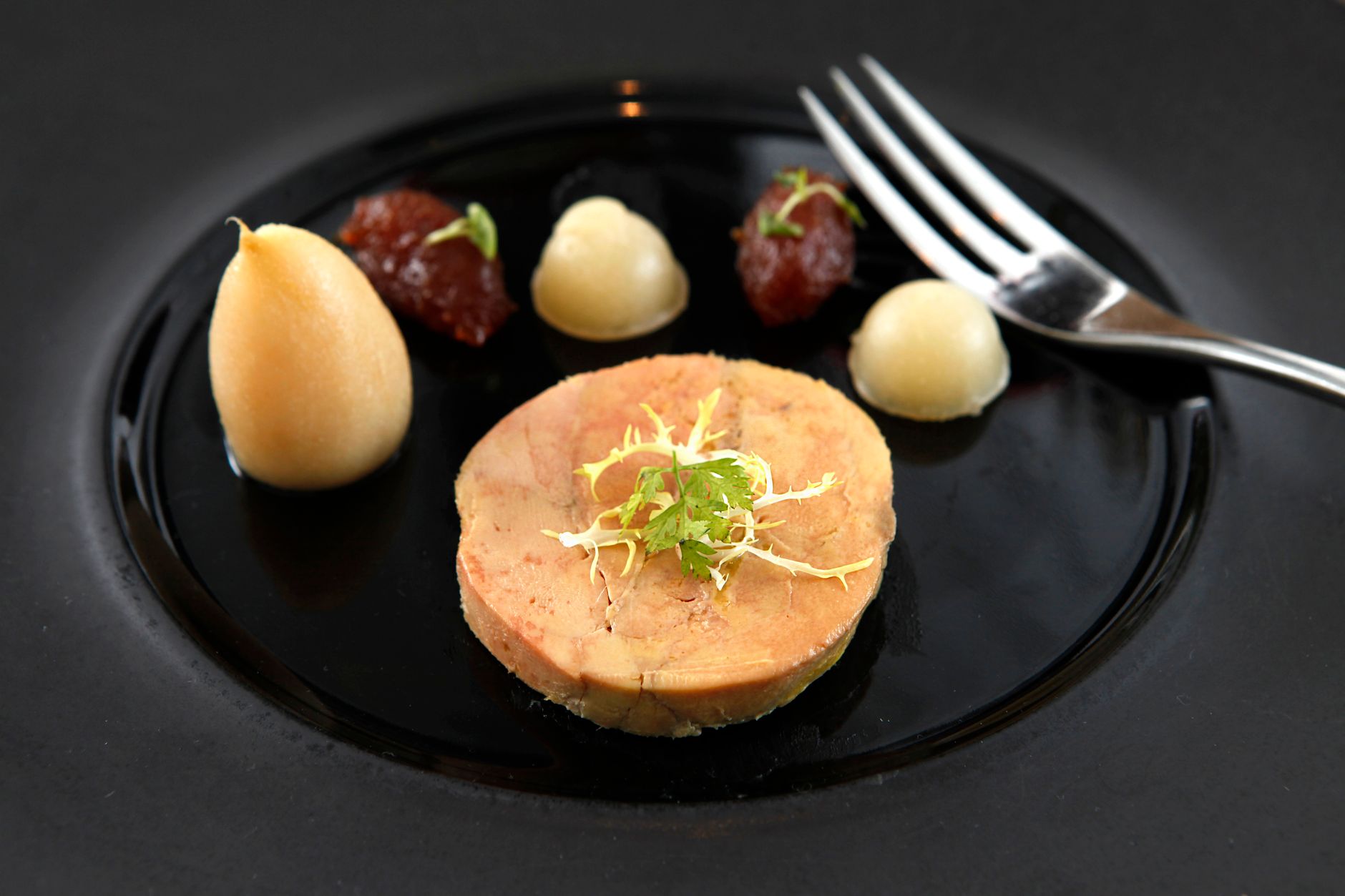
Foie gras is a luxurious delicacy made from the fattened liver of ducks or geese and often used as an elegant appetizer in fine dining. Its rich, buttery texture and distinct flavor make it a favorite among gourmet chefs and food enthusiasts alike. This article will explore the origins of foie gras, its culinary uses, and various ways to prepare it as an appetizer.
Additionally, we will delve into suitable serving methods, pairings, and even alternative ingredients for those who may seek a different flavor profile. Here, you will find everything you need to know to appreciate this exquisite dish and impress your guests with a decadent foie gras appetizer.
What is Foie Gras?
Foie gras, which translates to “fat liver” in French, is a specialty food product that is particularly popular in French cuisine. It is made from the liver of ducks or geese that have been specially fattened through a process known as “gavage.” The liver is prized for its succulent texture and unique flavor, which can range from sweet and nutty to savory. The preparation of foie gras is steeped in tradition and craftsmanship, making it both a culinary treasure and a controversial topic due to the ethical considerations surrounding its production.
Origins and Cultural Significance
The art of producing foie gras dates back to ancient Egypt, where it was first discovered that waterfowl could be fattened by feeding them specific diets. The technique was later adopted by the French, who refined the process over centuries. It is now a significant part of French culinary culture and is often associated with celebrations and special occasions.
In addition to its place in French cuisine, foie gras has also made an appearance in various global culinary traditions. While it remains contentious due to animal welfare debates, chefs continue to find innovative ways to prepare and serve foie gras, celebrating its unique qualities.
Types of Foie Gras
There are primarily two types of foie gras:
- Foie Gras de Canard: This is made from the liver of ducks, particularly the Mulard duck. It is more commonly available and tends to have a milder flavor compared to goose foie gras.
- Foie Gras d’Oie: Made from geese’s liver, this version is rarer and often considered more delicate and complex in flavor. It is typically fattier and creamier than duck foie gras.
Culinary Uses of Foie Gras
As an appetizer, foie gras can be presented in a variety of ways. Its versatility allows it to be enjoyed as a pâté, mousse, or seared preparation. Some common forms include:
- Foie Gras Pâté: A smooth spread, often served with bread or crackers.
- Seared Foie Gras: Quickly cooked until golden brown, retaining its rich flavor and creamy texture, typically served over a fruit compote or sauce.
- Foie Gras Mousse: Blended with cream and seasonings, this rendition creates a light and airy dish that is perfect for spreading.
How to Prepare a Foie Gras Appetizer
Preparing foie gras as an appetizer can be a straightforward yet impressive task worthy of any special occasion. Below is a basic guide on how to create a simple, elegant foie gras pâté and seared foie gras, along with essential tips to consider.
Foie Gras Pâté Recipe
This classic foie gras pâté is rich, creamy, and ideal for serving with toasted bread or crackers. It can be prepared in advance, making it perfect for entertaining.
Ingredients
- 1 pound of fresh foie gras
- 1/2 teaspoon salt
- 1/2 teaspoon black pepper
- 1 tablespoon Armagnac or brandy
- 1/2 teaspoon ground white pepper (optional)
- 1 tablespoon unsalted butter
- Fresh herbs (thyme, bay leaves) for flavoring
Essential Equipment
- Food processor
- Loaf pan or terrine mold
- Parchment paper
- Heavy-duty plastic wrap
Instructions
- Start by cleaning the foie gras. Remove any veins or membranes and gently rinse under cold water. Pat dry with paper towels.
- In a bowl, season the foie gras with salt, black pepper, and Armagnac. Let it marinate and come to room temperature for about 30 minutes.
- Transfer the seasoned foie gras into a food processor and blend until smooth. If desired, add ground white pepper for extra depth of flavor.
- Line your loaf pan or terrine mold with parchment paper, leaving some overhang. Pour the foie gras mixture into the mold and smooth the top.
- Place a piece of plastic wrap over the top and cover the entire mold with additional foil to ensure no water seeps in during cooking.
- Fill a large baking dish with hot water to create a water bath and place the terrine inside. Bake in a preheated oven at 200°F (93°C) for about 40-50 minutes, or until the internal temperature reaches 140°F (60°C).
- Remove from the oven and allow to cool at room temperature. Once cooled, refrigerate for at least 4 hours or overnight.
- When ready to serve, unmold the pâté and slice into thin pieces. Serve with toasted bread or crackers and a selection of condiments, such as fig jam or pickles.
Seared Foie Gras Recipe
For those looking to showcase foie gras in its purest form, searing is an elegant method that amplifies its rich flavor. Here’s how to prepare seared foie gras.
Ingredients
- 4 slices of fresh foie gras (approximately 1/2 inch thick)
- Salt and freshly cracked black pepper, to taste
- Fresh fruit compote (fig, apricot, or apple) for serving
- Balsamic reduction (optional) for drizzling
Essential Equipment
- Non-stick skillet or cast-iron pan
- Spoon or spatula
- Paper towels
Instructions
- Start by patting the foie gras slices dry with paper towels. Season both sides with salt and black pepper.
- Heat a non-stick skillet or cast-iron pan over medium-high heat. Allow it to get hot, but not smoking.
- Carefully placing the slices of foie gras into the hot pan. Sear for about 30 seconds to 1 minute on each side until golden brown.
- Remove from the pan and place on a paper towel to drain any excess fat.
- Serve immediately on a plate, topped with fruit compote and a drizzle of balsamic reduction if desired.
Serving Suggestions
Foie gras is best enjoyed with a variety of accompaniments that enhance its unique flavor profile. Here are some popular pairings:
- Toasted Bread or Crackers: The crunch of toasted bread offsets the creamy texture of the foie gras.
- Fruit Compote: Sweet fruit spreads such as fig or cherry complement the richness of the liver.
- Balsamic Reduction: This adds an acidic contrast that enhances the overall flavor.
- Pickles: Their tangy crunch provides a refreshing balance to the heavy dish.
- Wine Pairing: Sweet wines like Sauternes or a fruity Pinot Noir work wonders with foie gras.
Substitutions and Variations
If you are unable to find foie gras or prefer a different option, consider these alternatives:
- Chicken Liver Pâté: A more accessible choice that offers a different flavor profile. It requires similar preparation methods.
- Mushroom Pâté: For a vegetarian option, a rich mushroom pâté can be made with sautéed mushrooms, cream, and spices.
- Beef Liver Pâté: Provides a robust flavor, similar in texture to traditional pâté but with a distinct taste.
Common Mistakes and Troubleshooting
Here are some common pitfalls to avoid when preparing foie gras appetizers:
- Overcooking: Foie gras is best enjoyed medium-rare. Overcooking it can make it greasy and tough.
- Not Cleaning Properly: Make sure to remove any visible veins or membranes to avoid unpleasant textures.
- Wrong Temperature: Ensure your cooking surfaces are at the right temperature to achieve the perfect sear without burning.
Storing and Reheating Foie Gras
Proper storage of foie gras is essential to maintain its quality:
- Unopened foie gras can typically last for several months if kept in a cool, dry place. Once opened, it should be consumed within a few days.
- Homemade foie gras pâté should be covered and refrigerated, lasting up to one week when properly stored.
- Avoid reheating foie gras, as it is best served fresh. For dishes like pâté or mousse, serve cold directly from the refrigerator.
Ethical Considerations
While foie gras is a celebrated culinary delicacy, it is also a topic of ethical debate regarding animal welfare. The traditional method of producing foie gras has faced scrutiny due to concerns over the treatment of ducks and geese during feeding. If you wish to explore foie gras, consider sourcing from producers who adhere to humane and ethical practices.
Conclusion
Foie gras is a luxurious and complex ingredient that can elevate any appetizer spread. Whether prepared as a smooth pâté, a perfectly seared slice, or even an alluring mousse, it offers a unique taste and texture that is hard to rival. When incorporating it into your meal, consider accompanying flavors that enhance its sumptuousness while respecting its rich heritage.
To explore more about ingredient substitutions, such as alternatives for rosemary, or tips on freezing cooked chicken, feel free to check out those links for additional culinary insights.