
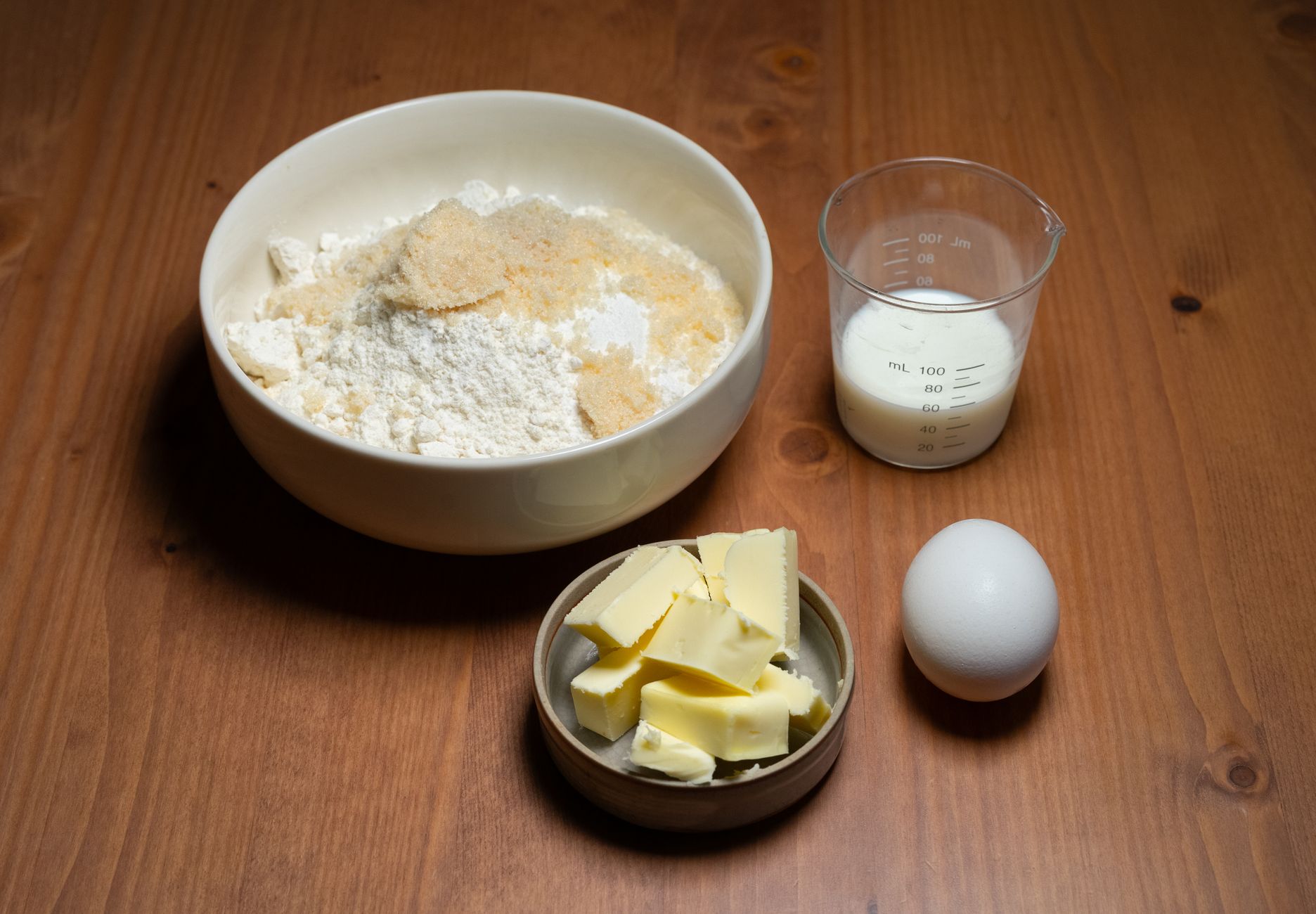
Understanding measurements in cooking is essential for any home chef. When it comes to baking and cooking, precise amounts can significantly influence the final dish. One common measurement you may encounter is 1/3 cup of butter. This article will discuss how to accurately measure this amount, its equivalents, and some handy tips for using butter in various recipes.
From fluffy pastries to rich sauces, butter plays a crucial role in creating delicious dishes. Knowing how much is 1/3 cup of butter will help you tackle a variety of recipes with confidence, whether you’re baking cookies, preparing a creamy pasta sauce, or making a savory biscuit.
How Much Is 1/3 Cup Of Butter?
1/3 cup of butter is equivalent to approximately 5 tablespoons and 1 teaspoon. In terms of weight, this measurement typically translates to about 76 grams or 2.7 ounces. Understanding this conversion can be helpful, especially if you are using a kitchen scale for accuracy.
Why Is Accurate Butter Measurement Important?
The amount of butter used in your recipes can affect the texture, flavor, and moisture level. For instance, using too little butter in cookies might lead to a dry and crumbly texture, while too much can make the cookies spread too much. Precision is vital in baking, where the science of ratios plays a significant role.
Butter Measurements: Tools You Will Need
- Liquid measuring cup: Best for measuring larger liquids.
- Dry measuring cups: Ideally suited for dry ingredients, including butter.
- Kitchen scale: Provides the most accurate measurement if you’re weighing ingredients.
- Butter sticks: Many sticks of butter come marked with measurements, making it easier to cut the desired amount.
How To Measure 1/3 Cup Of Butter
Using a Shortening Method
- Start with a stick of butter. If the stick is marked, allow the measurement to guide you.
- Cut the butter off the stick, measuring up to the 1/3 cup mark. Each stick of butter typically equals 1/2 cup (4 ounces), so 1/3 cup is just below the 2-ounce mark.
- For more precision, weigh the butter on a kitchen scale.
Using a Liquid Measuring Cup
- Take a liquid measuring cup and fill it with water until it reaches the 1/3 cup mark.
- Put the measuring cup on a flat surface and note the water level.
- Remove the water and then add your butter to the measuring cup until the water level rises back to the same level.
Substituting Butter in Recipes
If you find yourself without butter, there are several substitutes available that can still yield satisfactory results. Here are some alternatives you might consider:
- Margarine: A direct substitute in equal amounts, though it may alter the flavor and texture.
- Coconut oil: Can be used in equal amounts but may add a coconut flavor that could change your dish.
- Vegetable oil: Use approximately 1/4 cup for every 1/3 cup of butter, as it’s liquid and denser.
- Applesauce: Works well in baked goods as a healthier option. Use half the amount—around 1/4 cup for 1/3 cup of butter.
Common Mistakes When Measuring Butter
Even seasoned cooks can make errors when measuring butter. Here are some frequent mistakes to avoid:
- Not softening butter: For accurate measuring, ensure your butter is either softened or melted, depending on the recipe requirements.
- Using the wrong measurement tools: Liquid measuring cups should only be used for liquids, while dry measuring cups ensure accuracy in solid ingredients.
- Ignoring the weight: If a recipe specifies weight, it’s best to use a kitchen scale for the most precise measurement.
Butter in Baking: Why It Matters
Butter contributes much more than flavor; it plays a pivotal role in texture and structure in baked goods. Here’s how:
- Leavening: Butter can create air pockets when creamed, leading to lighter, fluffier cakes.
- Flavor: Butter adds richness that enhances the overall taste of baked goods.
- Moisture: The fat content in butter helps to retain moisture, ensuring the end product doesn’t dry out.
When Butter Should Be Used at Room Temperature
Recipes requiring butter to be at room temperature usually indicate a need for creaming butter and sugar together. This technique is common for cakes, cookies, and pastries.
The Role of Cold Butter
Conversely, cold butter is often used in recipes where the goal is a flaky texture, such as in pie crusts or biscuits. The cold butter, when cut into the flour, creates layers, resulting in that satisfying flakiness.
Cooking with Butter: Dos and Don’ts
Dos
- Do use clarified butter for high-heat cooking without burning.
- Do experiment with flavored butter—add herbs or spices for a unique touch.
- Do refrigerate leftover butter, making sure to seal it tightly to prevent absorption of odors.
Don’ts
- Don’t cook butter over an elevated heat without monitoring it; it can burn quickly.
- Don’t leave butter at room temperature for extended periods to avoid spoilage.
- Don’t forget that browned butter can provide a deeper flavor in many recipes.
Flavor Profiles of Butter Varieties
Different types of butter carry unique flavors, which can influence your cooking:
- Unsalted butter: Commonly used in baking to allow for better flavor control.
- Salted butter: Adds seasoning to recipes, but be cautious with additional salt.
- European-style butter: Has higher fat content and a creamier flavor, ideal for pastries.
Storage Tips for Butter
Correctly storing butter is crucial to maintain its quality. Here’s how to do it:
- Wrap unused butter tightly in foil or parchment paper, then place it in an airtight container.
- Refrigerate or freeze depending on how quickly you plan to use it.
- Label the packaging with the date for easy tracking.
Using Butter in Various Types of Recipes
Butter can seamlessly fit into numerous types of recipes, including:
1. Baking Cookies
Butter contributes to the chewy texture and rich taste that define great cookies. Whether starting with chocolate chip, oatmeal, or peanut butter cookies, the right measurement and type of butter can greatly enhance your results.
2. Making Sauces
Emulsifying sauces, such as beurre blanc or beurre manié, rely heavily on butter. Understanding how to incorporate it at the right temperature can create a velvety finish.
3. Cooking Vegetables
Butter is an excellent fat for sautéing vegetables, enhancing flavor profiles. A simple sauté in butter can transform ordinary vegetables into a rich, flavorful side dish.
Conclusion: Your Next Cooking Step
With the knowledge of how much 1/3 cup of butter is and its importance in recipes, you’re now better equipped to tackle your culinary endeavors. Remember to measure with care and enjoy experimenting with butter in your favorite dishes.
Explore more cooking techniques to improve your skills, or try out our delicious cinnamon roll recipe with heavy cream or fluffy butter swim biscuits recipe for some great ideas to utilize that amazing ingredient!