
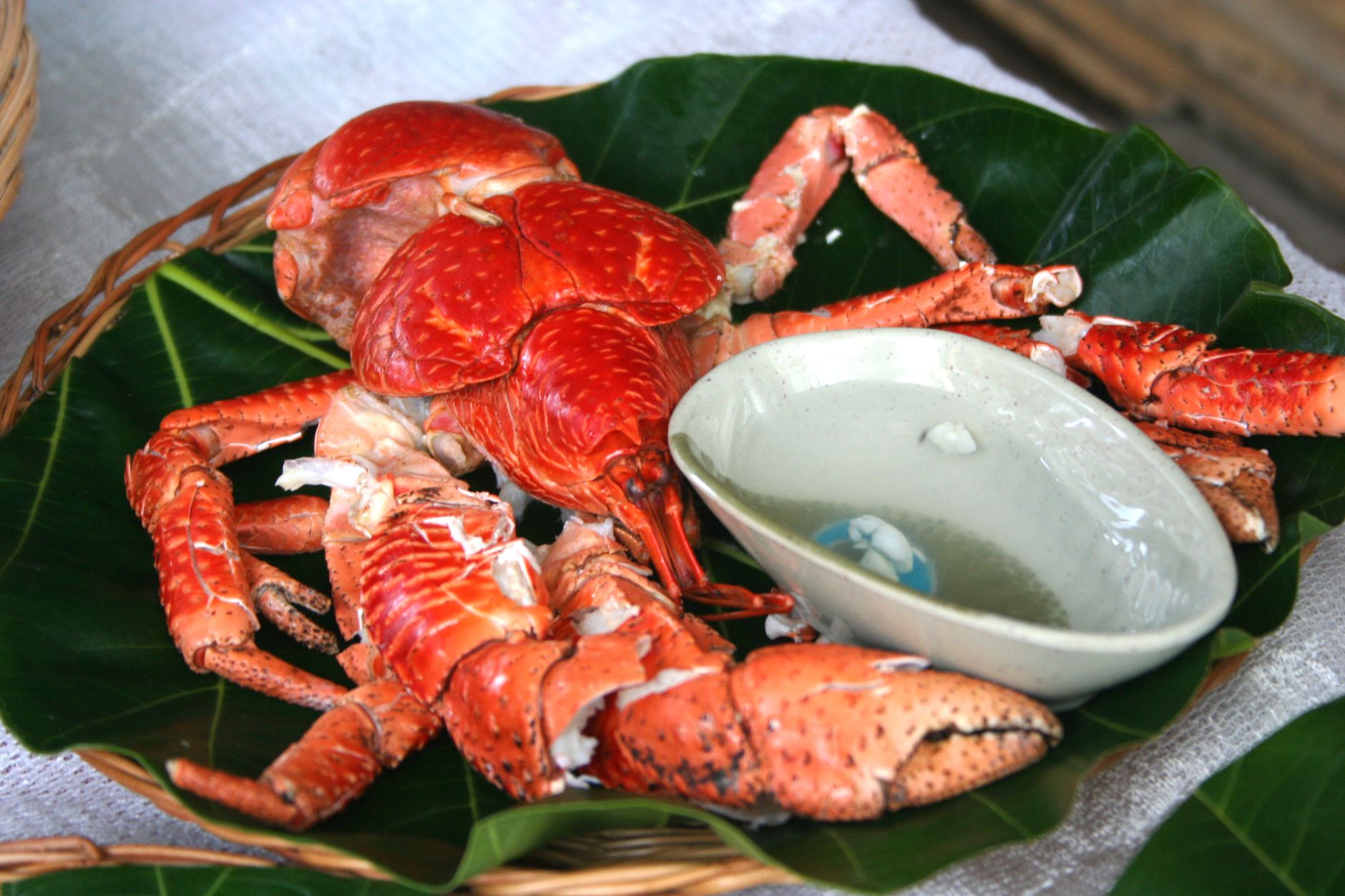
Coconut crabs are fascinating creatures known for their impressive size and unique flavors. Found primarily on islands across the Indian and Pacific Oceans, these crustaceans are reputed to have a taste similar to that of traditional crab, but many wonder whether they are safe and appropriate to eat. This guide explores the culinary aspects, preparation methods, and important considerations when it comes to eating coconut crabs.
Coconut crabs are the largest land-living arthropod and can weigh up to 9 pounds and measure over 3 feet across their leg span. Their sweet, tender meat is reminiscent of lobster and is sought after in various cuisines, particularly in Pacific Island nations. However, understanding the safety and impact of consuming coconut crabs is essential.
Can You Eat Coconut Crabs?
Yes, you can eat coconut crabs, and many people do, especially in regions where they are abundant. Their meat is considered a delicacy and can be prepared in various ways. However, it is crucial to be aware of specific safety concerns, preparation techniques, and local regulations regarding harvesting these creatures.
Understanding Coconut Crabs
Coconut crabs (Birgus latro) are not true crabs but are closely related to hermit crabs. They are named for their affinity for coconuts, which they can crack open with their strong claws. This unique diet contributes to the flavor of their meat. They are nocturnal and primarily found in dry forests and coastal regions, making them an exciting find for adventurous eaters.
Flavor and Texture
The meat of coconut crabs is often compared to that of lobster and other crustaceans. It has a slightly sweet, delicate flavor and a firm, yet tender, texture. The meat can be used in a variety of dishes or eaten on its own. Some describe the flavor as more intense than that of typical crabs due to their diverse diet.
Harvesting Coconut Crabs
When it comes to sourcing coconut crabs, caution is necessary. Regulations regarding harvesting vary by region, with some areas banning it altogether to protect local populations. Before considering coconut crabs for your plate, be sure to check local laws and ethics surrounding their collection.
Safety Considerations
While many enjoy coconut crabs, they can pose health risks in certain situations. Coconut crabs can potentially carry parasites and harmful substances if they feed on contaminated materials. Here are some safety tips to keep in mind:
- Ensure the crabs are captured legally and sustainably.
- Only consume fresh coconut crabs; avoid any that appear discolored or have an off odor.
- Cook the crab thoroughly to minimize the risk of foodborne illness.
- Be cautious of overconsumption, as their meat can cause allergic reactions in sensitive individuals.
Cooking Coconut Crabs
Cooking coconut crabs can be a delightful endeavor with the right technique. The most common methods include boiling, steaming, or grilling. Here’s a step-by-step guide to preparing coconut crabs.
How to Cook Coconut Crabs
- Preparation: Start by cleaning the coconut crabs. Remove the legs and claws, which can be done by twisting them off at the joint. Use a strong knife to crack the claws for easier meat extraction.
- Boiling: Bring a large pot of salted water to a boil. Once boiling, carefully add the crab pieces and cover the pot. Boil for about 12-15 minutes or until the meat is opaque and the shells turn bright orange.
- Steaming: Place the crab pieces in a steamer basket over boiling water. Steam for approximately 15-20 minutes. Ensure the meat has turned opaque.
- Grilling: Preheat the grill to medium-high heat. Marinate the crab pieces in a mixture of olive oil, garlic, and lemon juice. Place the crab directly on the grill and cook for about 10-15 minutes, turning occasionally, until the meat is cooked through.
- Serving: Serve the meat warm with melted butter or garlic sauce for dipping. Fresh herbs or a squeeze of lemon can brighten the flavors further.
Ingredient Substitutions
If coconut crabs are unavailable or you seek alternatives, lobster or large prawns can serve as suitable replacements in recipes. Although the texture and flavor will not perfectly match, these alternatives can provide a delightful seafood experience.
Preparing Coconut Crab Dishes
Coconut crabs can be used in various recipes. Here are a couple of suggestions highlighting their unique flavor:
Coconut Crab Curry
- Ingredients:
- 1 pound cooked coconut crab meat, shredded
- 1 can coconut milk
- 2 tablespoons curry paste
- 1 onion, chopped
- 2 cloves garlic, minced
- 1 tablespoon ginger, minced
- 1 bell pepper, sliced
- Salt to taste
- Cilantro for garnish
- Instructions:
- In a pan, heat some oil over medium heat. Sauté onions, garlic, and ginger until fragrant.
- Add the curry paste and cook for 2 minutes, stirring constantly.
- Pour in the coconut milk and bring to a simmer.
- Add the crab meat and bell peppers, then cook for another 5-7 minutes.
- Season with salt and garnish with cilantro before serving.
Coconut Crab Salad
- Ingredients:
- 1 pound cooked coconut crab meat
- 2 cups mixed greens
- 1 avocado, diced
- 1/2 cup cherry tomatoes, halved
- 2 tablespoons lemon juice
- 2 tablespoons olive oil
- Salt and pepper to taste
- Fresh herbs for garnish
- Instructions:
- In a large bowl, combine the mixed greens, avocado, and crab meat.
- Whisk together lemon juice, olive oil, salt, and pepper, then pour over the salad.
- Toss gently until evenly coated and garnish with fresh herbs.
Common Mistakes and Troubleshooting
When preparing coconut crabs, home cooks may face several common issues. Here are some tips to avoid pitfalls:
- Overcooking crab meat can make it tough. Monitor cooking time closely to achieve a tender result.
- If the meat is undercooked, return it to the heat; crab meat should be completely opaque.
- When cracking claws, use a sturdy tool to avoid injury, and handle the meat carefully upon extraction.
Storage and Reheating
If you have leftover coconut crab meat, store it properly to maintain freshness. Here are some useful tips:
- Coconut crab meat can be refrigerated in an airtight container for up to 2 days.
- You can freeze cooked crab meat for up to 3 months; however, the texture may change, so eat it soon after thawing.
- Reheat crab meat gently on a stovetop or in the microwave; avoid high heat, which can make it tough.
Exploring Local and Global Cuisine with Coconut Crabs
Coconut crabs hold culinary significance in various cultures. In places like Guam, they are celebrated in traditional dishes, while in Madagascar, they form a part of local festival feasts. The unique taste and versatility encourage a creative fusion in various cuisines.
Conclusion
Eating coconut crabs can provide a distinct and enjoyable seafood experience for adventurous eaters. With their unique flavor and culinary potential, these crustaceans are definitely worth consideration—provided that ethical and safety guidelines are adhered to. Whether you choose to boil, steam, or grill coconut crabs, savoring their sweet meat can be a delightful addition to your seafood repertoire.
Explore more about seafood with our guide on what crab tastes like, or treat yourself to a refreshing coconut mojito recipe for a tropical twist.