
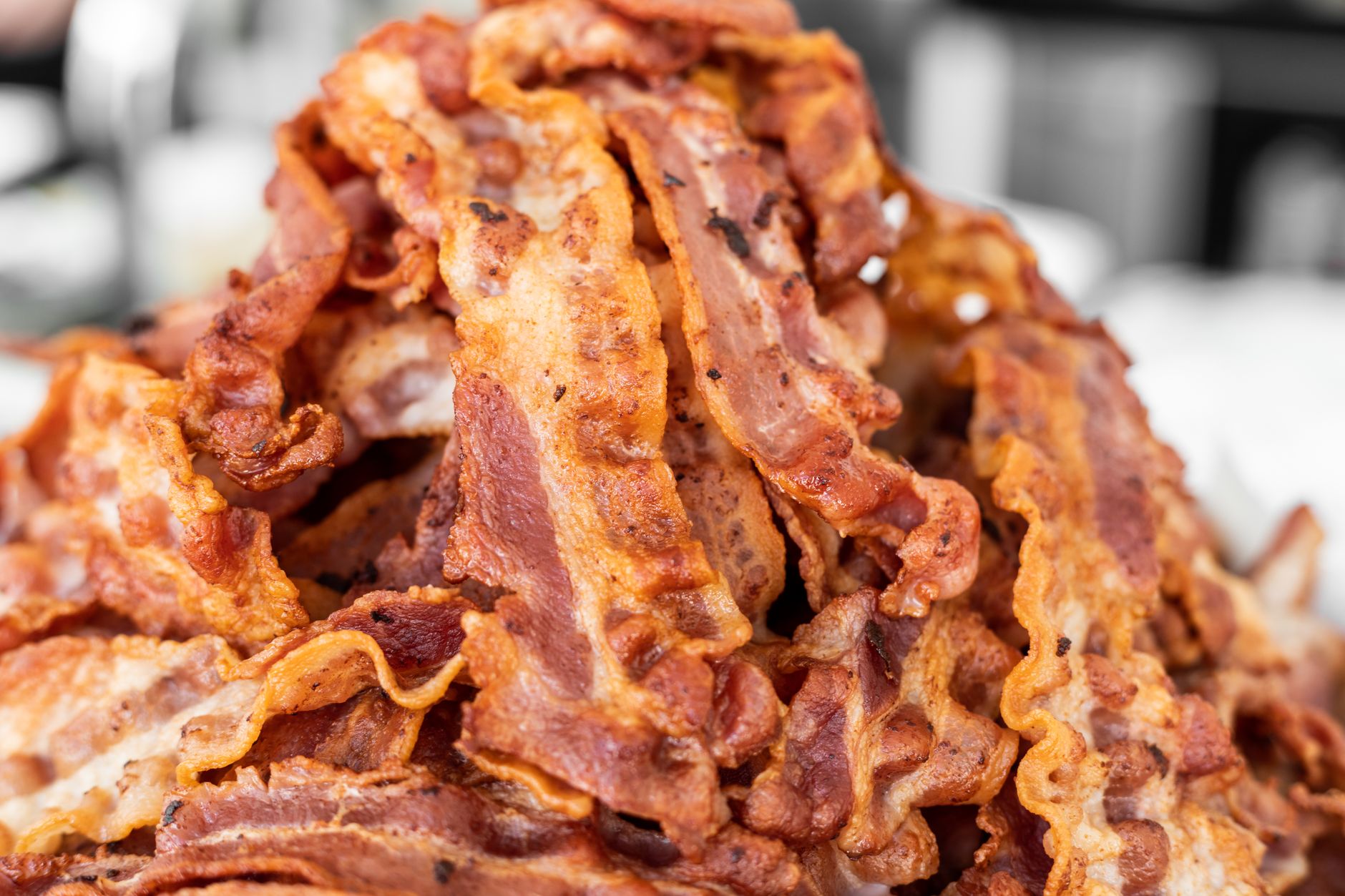
Bacon is a beloved ingredient in many kitchens, cherished for its rich flavor and crispy texture. However, once you open a package of bacon, understanding how long it remains safe and tasty is crucial for both food safety and quality. Knowing the proper storage methods and timeframes can prevent waste and ensure you enjoy bacon at its best.
This article will guide you through the best practices for storing opened bacon, signs of spoilage, and tips for maximizing its shelf life. By the end, you’ll have a better understanding of how long bacon is good after opening and how to handle it safely.
How Long Is Bacon Good After Opening?
Once opened, raw bacon is typically good for about one week when stored in the refrigerator. Cooked bacon can last for up to five days in the fridge. It’s essential to store bacon at the correct temperature and in suitable packaging to maintain its quality and safety.
Understanding Bacon Types
Bacon comes in various types, including raw, cooked, and shelf-stable varieties. Each type has different storage requirements and shelf lives.
Raw Bacon
Raw bacon is the fresh, uncooked variety that you’ll often find in vacuum-sealed packages. It has the shortest shelf life once opened but can also be frozen for extended storage.
Cooked Bacon
Cooked bacon, whether homemade or store-bought, has a different shelf life. The cooking process removes moisture, allowing it to be stored differently than raw bacon.
Pre-cooked and Shelf-Stable Bacon
This type of bacon is typically found in pouches, is shelf-stable before opening, and has a longer shelf life due to preservation techniques. Once opened, it should be refrigerated and used within a specific timeframe that varies by brand.
Proper Bacon Storage Techniques
Understanding the best methods for storing bacon after opening is crucial for freshness and safety. Here are effective storage techniques and tips.
Refrigeration
After opening, bacon should be refrigerated immediately. Utilize the following tips for optimal storage:
- Keep bacon in its original packaging, if resealable. If not, transfer it to an airtight container or wrap it tightly in plastic wrap or aluminum foil.
- Store bacon on the lower shelves of the fridge where the temperature is more consistent.
- Keep bacon away from other foods to prevent cross-contamination.
Freezing Bacon
If you want to keep bacon for longer than a week, freezing is an excellent option:
- Slice the bacon if it’s in a whole piece; this makes thawing easier when you need it.
- Wrap individual slices or portions in plastic wrap or foil and then place them in a freezer-safe bag or container.
- Label the container with the date, ensuring you use it within six months for best quality.
Signs of Spoilage
Bacon can spoil if not stored correctly, and it’s essential to recognize the signs of spoilage before using it. Here are key indicators:
Color Changes
Fresh bacon has a pink color with white or cream-colored fat. If bacon appears dull, gray, or brown, it may be spoiling.
Texture Changes
Good bacon should feel slightly moist but not slimy. If you notice a sticky or slimy texture, discard the bacon.
Odor
Bacon typically has a savory, smoky scent. A sour or rancid smell is a strong indicator of spoilage, and the bacon should be thrown away.
Cooking Bacon for Extended Use
If you have leftover raw bacon, cooking it can extend its usability. Here’s how to do it properly:
- Cook the bacon in a skillet or oven until it reaches a crispy texture, typically around 15-20 minutes at 375°F (190°C).
- Allow the cooked bacon to cool before storing it.
- Place it in an airtight container or wrap it tightly and refrigerate. Use cooked bacon within five days or freeze it for up to a month.
Meal Planning with Bacon
Bacon is versatile and can enhance various dishes, making it a great ingredient to include in your meal planning. Here are some ideas:
Breakfast Dishes
Bacon is a classic breakfast item. Pair it with eggs in a scramble, add it to an omelet, or serve it alongside pancakes for a hearty start to the day.
Lunch Ideas
Incorporate bacon into sandwiches, salads, or wraps. A bacon club sandwich or a bacon Caesar salad can elevate a simple meal.
Dinner Recipes
Bacon can also be used in pasta dishes, casseroles, and other dinners. Consider adding it to carbonara, baked potatoes, or vegetable stir-fries for extra flavor.
Bacon Substitutions
If you’re out of bacon or looking for alternatives due to dietary restrictions, consider these substitutes:
- Turkey Bacon: A leaner option with a similar texture.
- Pancetta: An Italian cured meat that provides a comparable flavor profile.
- Tofu or Tempeh Bacon: Great options for vegetarians and vegans, offering flavor with a different texture.
Frequently Asked Questions
Can I eat bacon after the expiration date?
While some products may still be safe to eat after the expiration date, it’s essential to check for spoilage signs. Always err on the side of caution.
What is the best way to thaw frozen bacon?
The safest way to thaw bacon is in the refrigerator overnight. You can also thaw it quickly in the microwave using the defrost setting, but be careful to avoid cooking it.
Can I cook bacon from frozen?
Yes, you can cook bacon directly from frozen. It may take a little longer to cook, but it works perfectly well.
Conclusion
Understanding how long bacon lasts after opening and how to properly store it can enhance your culinary experience and reduce waste. By following proper storage techniques and recognizing signs of spoilage, you can ensure that your bacon remains delicious and safe to eat. Next time you open a pack, remember these tips and enjoy bacon in all its glorious forms!
Explore more helpful resources like how long is cooked ground beef good in the fridge or understand how long does cottage cheese last after opening.