
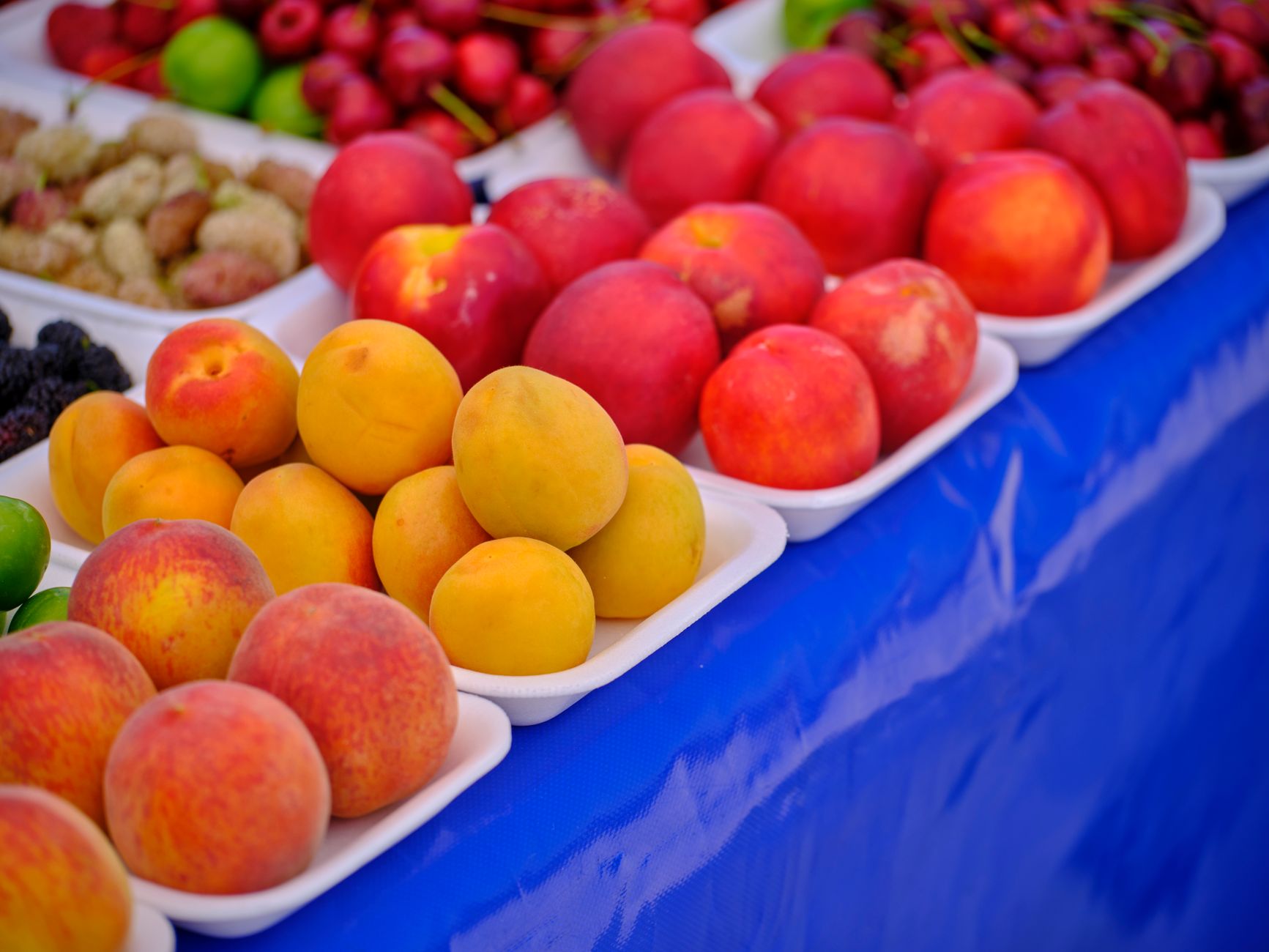
Stone fruit refers to a group of fruits that have a large, hard pit, or “stone,” at their center surrounded by juicy flesh. Common examples include peaches, plums, cherries, and apricots. These fruits are celebrated for their sweet and tangy flavors, making them a favorite in both savory and sweet dishes.
In this guide, we will explore the varieties of stone fruit, their culinary uses, tips for selecting and storing them, as well as delicious ways to incorporate them into your meals. Whether you’re looking to enhance your summer salads or bake a fruit dessert, stone fruits offer diverse options to elevate your dishes.
What Are the Different Types of Stone Fruit?
Stone fruit is a category that includes various fruits, each with its distinct flavor and culinary applications. Here are some of the most common types:
- Peaches: Juicy, sweet, and aromatic, peaches come in yellow and white varieties. They are perfect for eating raw, grilling, and baking.
- Plums: These fruits are tart and juicy, with skins that range from deep purple to bright yellow. Plums can be enjoyed fresh, in jams, or in desserts.
- Cherries: Available in sweet and tart varieties, cherries are delectable fresh snacks and important ingredients in pies and other confections.
- Abricots: These small, orange-colored fruits are delicate and sweet with a hint of tartness, making them great for both snacking and baking.
- Nectarines: Similar to peaches but with a smooth skin, nectarines are sweet and firm, ideal for fresh eating and roasting.
- Apriums: A hybrid of apricots and plums, apriums are sweet with a hint of tartness and are excellent in desserts or eaten fresh.
- Pluots: Another hybrid fruit, pluots combine the flavors of plums and apricots, offering a complex flavor profile. They are versatile for various recipes.
Culinary Uses of Stone Fruit
Stone fruits are incredibly versatile, offering countless culinary possibilities. They can be utilized in both sweet and savory preparations:
Raw Consumption
Stone fruits are delicious eaten fresh. Simply wash them, slice them, and enjoy! They make excellent snacks and additions to fruit salads.
Baking
These fruits lend themselves well to various baked goods, including:
- Pies: Peach or cherry pies are classics that highlight the natural sweetness of the fruit.
- Crumbles: A blend of stone fruit with a crumbly topping can make for a comforting dessert.
- Cakes: Incorporate stone fruits into cakes for added moisture and flavor.
Grilling
Grilling stone fruits, like peaches and plums, enhances their sweetness and adds a smoky flavor. They can be served as a side dish or on top of salads or desserts.
Preserving
Stone fruits can be made into preserves, jams, or syrups. This extends their shelf life and captures their flavor for use in various recipes throughout the year.
Salads and Salsas
Add diced stone fruits to salads or salsas for a refreshing touch. The sweet and tangy flavors contrast beautifully with savory ingredients.
Drinks
Stone fruits can be used to create refreshing beverages like smoothies or cocktails. They can also be infused into syrups or used in homemade popsicles.
How to Select and Store Stone Fruit
Choosing the right stone fruit and storing it properly ensures optimal flavor and shelf life. Here are some key tips:
Selecting Stone Fruit
- Look for firmness: Stone fruits should give slightly to pressure but not be mushy. A firm texture indicates ripeness.
- Check the aroma: Ripe stone fruits emit a sweet and fragrant smell. A strong aroma is a good sign of ripeness.
- Observe color: Look for vibrant and even coloration without significant blemishes or bruising.
Storing Stone Fruit
The optimal storage conditions for stone fruits depend on their ripeness level:
- If unripe: Store stone fruits at room temperature, away from direct sunlight, until they ripen.
- If ripe: Transfer ripe stone fruits to the refrigerator to extend shelf life. However, allow them to come to room temperature before eating for the best flavor.
- In freezer: To preserve stone fruits for longer, freeze them. Wash, slice, and freeze the fruits on a baking sheet before transferring to airtight containers or freezer bags.
Delicious Ways to Use Stone Fruit
Integrating stone fruits into your meals can enhance flavor and variety. Here are some popular preparations:
Grilled Peach Salad
This refreshing salad pairs grilled peaches with arugula, goat cheese, and candied pecans for a delightful summer dish.
- Ingredients:
- 2 ripe peaches, halved and pitted
- 4 cups fresh arugula
- 1/2 cup goat cheese, crumbled
- 1/3 cup candied pecans
- 2 tablespoons balsamic glaze
- Olive oil for grilling
- Instructions:
- Preheat a grill or grill pan.
- Brush the cut sides of the peach halves with olive oil.
- Place peaches cut side down on the grill and grill for about 4-5 minutes, until you see grill marks and the peaches are tender.
- Remove peaches from the grill and allow to cool slightly.
- On a serving plate, arrange arugula, top with grilled peaches, goat cheese, and candied pecans.
- Drizzle with balsamic glaze before serving.
Cherry Clafoutis
A traditional French dessert, cherry clafoutis is a custard-like dish that highlights the sweetness of cherries.
- Ingredients:
- 2 cups pitted cherries
- 3 large eggs
- 1 cup whole milk
- 1/2 cup sugar
- 1 teaspoon vanilla extract
- 2 tablespoons melted butter
- 1/2 cup all-purpose flour
- A pinch of salt
- Instructions:
- Preheat the oven to 350°F (175°C).
- In a bowl, whisk together eggs, milk, sugar, vanilla, and melted butter.
- Add flour and salt, mixing until well combined.
- Pour the batter into a greased baking dish and sprinkle the cherries on top.
- Bake for 40-45 minutes, until the clafoutis is puffed and golden.
- Allow to cool slightly before serving, dusted with powdered sugar.
Common Mistakes to Avoid
When cooking or baking with stone fruits, avoid these common pitfalls:
- Using overripe fruit: Overripe stone fruits can cause your dish to become mushy and lose texture.
- Skipping rinsing: Always rinse stone fruits before using them to remove dirt and pesticides.
- Not using seasonal fruit: Stone fruits have peak seasons. Using them when they are in season ensures the best flavor.
Conclusion
Stone fruit brings a burst of sweetness and vibrant color to your kitchen, providing endless culinary opportunities. Whether enjoyed fresh, grilled, baked, or preserved, they add unique flavors to a variety of recipes. Incorporate stone fruits into your meals, and don’t hesitate to experiment with these delightful fruits in your cooking adventures.
For further inspiration, consider trying a homemade peach bread or make a peach syrup to elevate your desserts and dishes.