
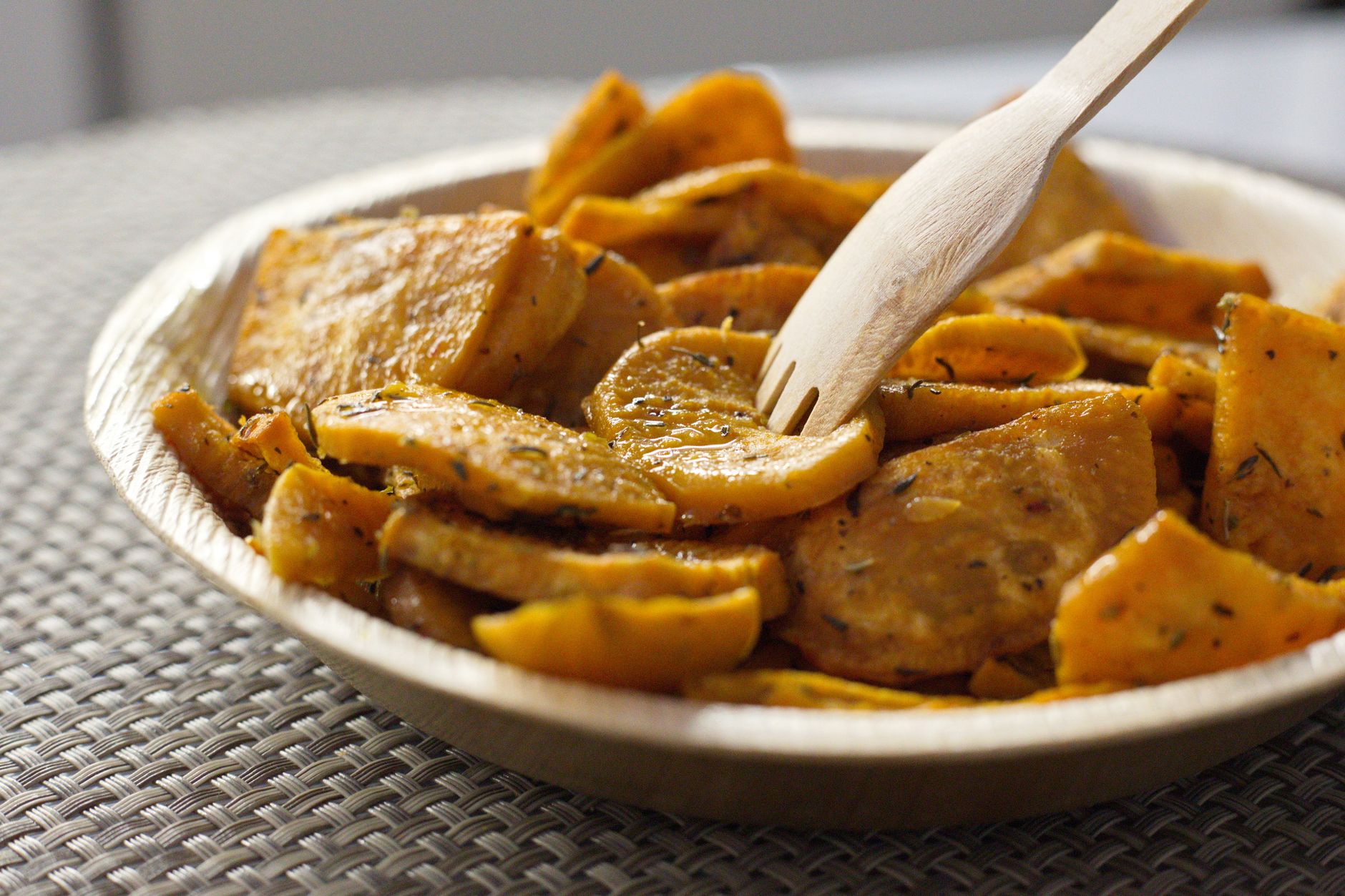
Sweet potatoes are a popular root vegetable known for their vibrant color and sweet flavor. They are often praised for their nutritional benefits and versatility in cooking. This article explores whether sweet potatoes are healthy by examining their nutritional profile, health benefits, cooking methods, and tips for incorporating them into your diet.
From savory dishes to sweet treats, sweet potatoes can fit into various meals throughout the day. Understanding their health benefits and how to prepare them can help you make informed choices on when and how to enjoy this nutritious vegetable.
Is Sweet Potato Healthy?
Yes, sweet potatoes are considered healthy due to their rich nutrient composition. They are an excellent source of vitamins, minerals, and antioxidants, while being relatively low in calories. Their high fiber content aids digestion and may contribute to overall health.
Nutritional Profile of Sweet Potatoes
To understand the health benefits of sweet potatoes, let’s take a closer look at their nutritional profile per 100 grams (raw):
- Calories: 86
- Carbohydrates: 20.1 g
- Fiber: 3 g
- Protein: 1.6 g
- Fat: 0.1 g
- Vitamin A: 14187 IU (283% DV)
- Vitamin C: 2.4 mg (4% DV)
- Vitamin B6: 0.2 mg (12% DV)
- Potassium: 337 mg (10% DV)
- Magnesium: 25 mg (6% DV)
These values indicate that sweet potatoes are particularly high in vitamin A, providing more than double the daily value in just a 100-gram serving. They are low in fat and a reasonable source of carbohydrates, making them an excellent food choice for various diet plans.
Health Benefits of Sweet Potatoes
Sweet potatoes come with a host of health benefits, including:
Rich in Antioxidants
Sweet potatoes contain several antioxidants, including beta-carotene, which is responsible for their vibrant orange color. Antioxidants help neutralize free radicals in the body, potentially reducing the risk of chronic diseases.
Supports Eye Health
The high levels of beta-carotene in sweet potatoes also contribute to improved vision and eye health. Consumption of beta-carotene is linked to a reduced risk of age-related macular degeneration and other eye diseases.
Promotes Digestive Health
With their significant fiber content, sweet potatoes can promote digestive health. Fiber is essential for maintaining regular bowel movements, preventing constipation, and fostering a healthy gut microbiome.
Regulates Blood Sugar Levels
Despite being sweet, sweet potatoes have a low glycemic index (GI), meaning they have a slower impact on blood sugar levels compared to other starchy foods. This makes them suitable for individuals managing diabetes or looking to stabilize energy levels.
Boosts Immune Function
Vitamin A plays a crucial role in supporting immune function. With their high vitamin A content, sweet potatoes can help enhance your immune system, helping your body fight off infections more effectively.
Ways to Cook Sweet Potatoes
Sweet potatoes are incredibly versatile and can be prepared in various ways to suit different meals. Here are some popular cooking methods:
Boiling
Boiling sweet potatoes is a straightforward method that retains their nutrients. Here’s how to do it:
- Peel and cube the sweet potatoes into even pieces.
- Place them in a pot and cover with water.
- Add a pinch of salt and bring to a boil.
- Reduce to a simmer and cook for about 15-20 minutes or until tender.
- Drain and serve, or mash as desired.
Baking
Baking sweet potatoes intensifies their natural sweetness. Here’s a simple method:
- Preheat your oven to 425°F (220°C).
- Wash the sweet potatoes and prick them several times with a fork.
- Place on a baking sheet and bake for about 45-60 minutes, or until tender.
- Let cool slightly before slicing open and serving, topped with butter or your favorite toppings.
Roasting
Roasting brings out rich flavors and a crispy texture. Follow these steps:
- Preheat the oven to 400°F (200°C).
- Slice sweet potatoes into wedges or cubes.
- Toss with olive oil, salt, and pepper.
- Spread on a baking sheet in a single layer and roast for 25-30 minutes, turning halfway through.
Mashing
Mashed sweet potatoes are a comforting side dish. To make them:
- Boil or bake sweet potatoes until tender.
- Drain (if boiled) and mash with a potato masher.
- Add butter, salt, and a splash of milk or cream, then mix until smooth.
Sweet Potato Fries
Sweet potato fries are a popular alternative to traditional fries. Here’s how to prepare them:
- Preheat your oven to 425°F (220°C).
- Slice sweet potatoes into thin strips and toss with olive oil, salt, and any desired seasonings.
- Spread in a single layer on a baking sheet and roast for 20-25 minutes, turning halfway through.
Ingredient Substitutions for Sweet Potato Dishes
If you can’t find sweet potatoes or prefer to use alternatives, consider the following substitutions that can replicate some of their flavors and textures:
- Butternut Squash: Offers a similar sweetness and can be used in recipes calling for puréed sweet potatoes.
- Carrots: These can be mashed or roasted as an alternative, although they are slightly less sweet.
- White Potatoes: They can serve as a base for savory dishes, though they lack some of the nutrients found in sweet potatoes.
- Pumpkin: Ideal for soups or pies, pumpkin purée can replace sweet potato purée in various recipes.
Common Mistakes When Preparing Sweet Potatoes
When cooking sweet potatoes, avoid these common pitfalls to ensure optimal results:
- Overcooking: Sweet potatoes can become mushy if overcooked. Keep an eye on them during boiling and baking.
- Not Pricking Before Baking: Failing to prick sweet potatoes before baking can cause them to explode in the oven due to steam buildup.
- Skipping Cleaning: Always wash sweet potatoes thoroughly to remove dirt and pesticides, even if you plan to peel them.
- Using Low-Quality Oil: For roasting, use an oil with a high smoke point (like avocado oil) for better flavor and crispy texture.
Serving Suggestions
Sweet potatoes can be served in countless ways. Here are some ideas to inspire your meals:
- Add baked sweet potatoes to salads for extra nutrition.
- Top mashed sweet potatoes with cinnamon or maple syrup for a sweet side dish.
- Create a sweet potato and black bean burrito using whole-grain tortillas.
- Incorporate sweet potato fries as a healthier side dish with burgers or chicken.
Meal Planning with Sweet Potatoes
Incorporating sweet potatoes into your weekly meal plan can be simple and convenient. Here’s how to do it:
- Batch Cooking: Bake or roast a large batch of sweet potatoes at the beginning of the week. Use them in various meals, from breakfast to dinner.
- Combine Flavors: Pair sweet potatoes with proteins like chicken, fish, or beans for balanced meals.
- Edit Recipes: Substitute sweet potatoes into your favorite casseroles, stews, or soups for an extra nutrient boost.
Storage and Reheating of Sweet Potatoes
Storing sweet potatoes can help you maximize their freshness and flavor:
- Uncooked sweet potatoes should be stored in a cool, dry place, away from light. They can last several weeks under proper conditions.
- Cooked sweet potatoes should be refrigerated in an airtight container and consumed within 3-5 days for the best quality.
- Reheat cooked sweet potatoes in the microwave, oven, or on the stovetop, adding a little water to prevent drying out if necessary.
The Bottom Line
Sweet potatoes are a nutritious and versatile food option packed with vitamins, minerals, and antioxidants. They offer numerous health benefits while being easy to incorporate into a variety of meals. Their natural sweetness makes them a delightful addition to both savory and sweet dishes alike.
Next time you’re at the grocery store, consider stocking up on sweet potatoes for your recipes. Think about how you can creatively incorporate them into your main meals, snacks, and sides.
For a delicious treat, try our sweet potato cornbread recipe or explore variations with white sweet potato recipe. Discover more ways to enjoy this healthy ingredient in your everyday cooking.