
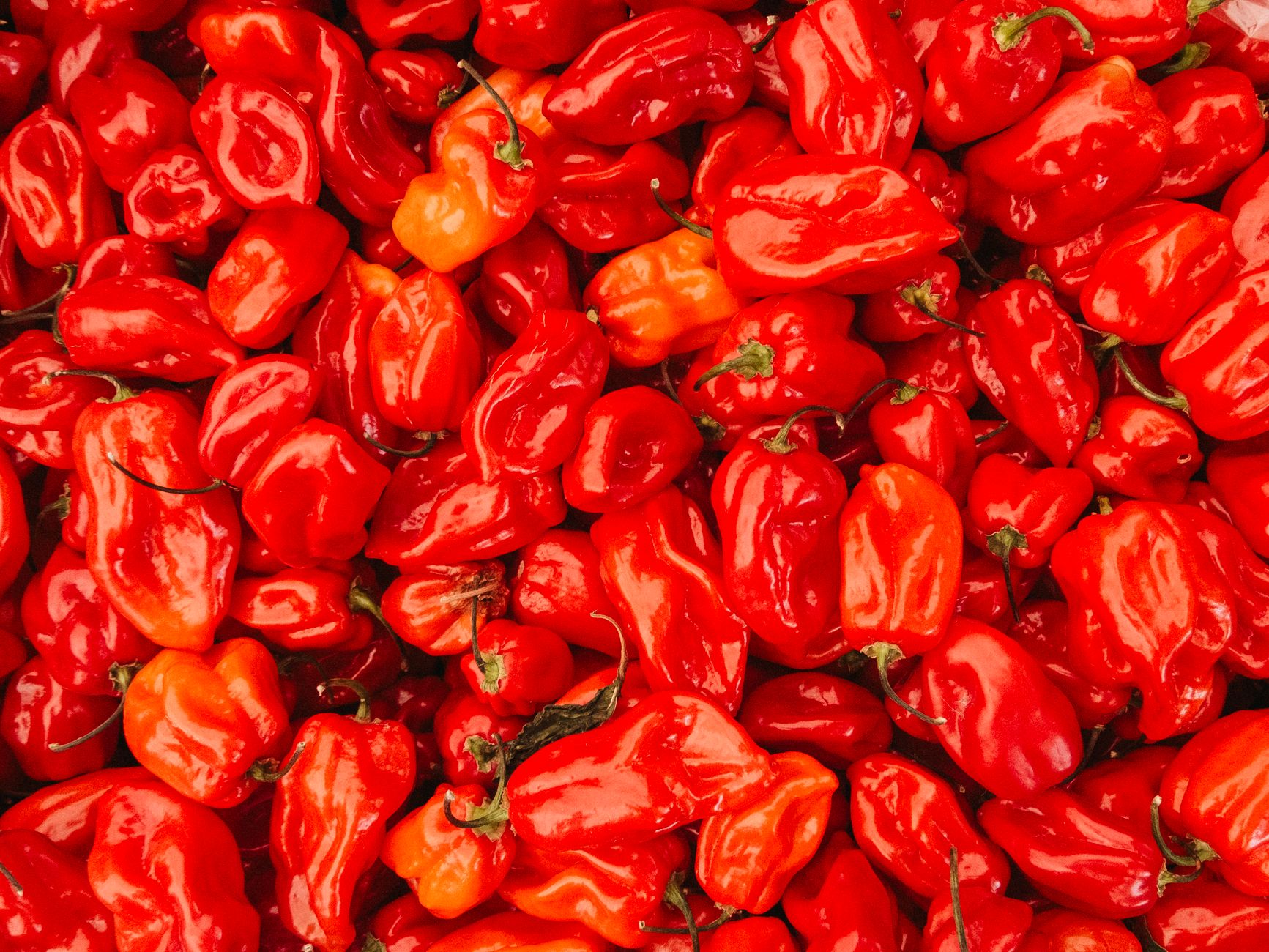
Many food enthusiasts often find themselves torn between the labels of mild and medium when it comes to heat levels in food. This confusion can significantly impact a recipe or dish, influencing flavors, aromas, and even the overall dining experience. Understanding the key differences between mild and medium heat can enhance your cooking and dining pleasure.
In this guide, we’ll explore what mild and medium heat actually mean, their uses in cooking, and how to choose based on spice tolerance. Whether you’re ramping up the heat in a sauce or simply trying to make a balanced meal, this comprehensive overview will provide you with the information you need to make informed decisions.
Is Mild Or Medium Hotter?
The short answer is that medium is indeed hotter than mild. Mild heat typically ranges from 0 to 500 Scoville Heat Units (SHU), while medium heat ranges from 500 to about 2,500 SHU. Understanding these measurements and what they represent can guide you in achieving the right heat level for your culinary creations.
Understanding Scoville Heat Units (SHU)
The Scoville Scale measures the heat level of spicy foods, primarily by calculating the concentration of capsaicin, the active component responsible for spiciness. This scale ranges significantly, from sweet peppers at zero SHU to extremely hot varieties like the Carolina Reaper, which can exceed 2 million SHU.
Knowing where mild and medium sat on the Scoville Scale can help cook enthusiasts select appropriate ingredients. Here’s a breakdown of common peppers in each heat category:
Mild Peppers (0 – 500 SHU)
- Bell Pepper: 0 SHU
- Banana Peppers: 0 to 500 SHU
- Poblano Peppers: 1,000 to 2,000 SHU (can be on the edge)
Medium Peppers (500 – 2,500 SHU)
- Jalapeño Peppers: 2,500 to 8,000 SHU
- Chipotle Peppers: 3,000 to 10,000 SHU
- Cayenne Peppers: 30,000 to 50,000 SHU
Flavor Profiles: Mild vs. Medium
The flavor of the heat you add to your dishes plays a crucial role in your overall experience. Mild heat typically brings a touch of sweetness or earthy tones without overwhelming the palate. Mild peppers work best when you want to enhance flavors without significantly altering the core taste.
On the other hand, medium heat introduces a noticeable kick. The flavors are still present but are often accompanied by a spicy bite that can enhance the overall complexity of a dish. Medium heat adds depth and can complement other spices effectively.
When To Use Mild or Medium Heat
The choice between mild and medium heat should depend on the dish you’re preparing and the heat tolerance of the people who will be enjoying it. Consider the following uses for each level:
Mild Heat Uses
- Perfect for family meals where young children or spice-averse diners are present.
- Great for recipes focusing on other flavors, like sweetness or savory notes without heat distractions.
- Ideal in sauces where spice is not the primary flavor but rather a hint of warmth, such as in certain barbecue sauces.
Medium Heat Uses
- Great for salsas and dips where a noticeable kick is enjoyable.
- Works well in dishes like chili or stir-fries where middle ground heat balances well with protein and vegetables.
- Adds dimension to marinades, particularly for grilling or roasting meats.
Practical Tips for Adjusting Heat Levels
If you find a dish too spicy, or conversely, not spicy enough, there are many ways to adjust heat levels without starting from scratch. Here are some practical methods:
To Increase Heat
- Add finely chopped medium peppers (like jalapeños) in small increments until desired heat is reached.
- Incorporate spicy seasoning blends such as cayenne pepper, chili powder, or hot sauce for an extra kick.
- Use pepper flakes, which can blend seamlessly into dishes without major alterations to texture.
To Decrease Heat
- Add dairy products such as sour cream, yogurt, or cream to tone down the heat and offer a cooling counterpart.
- Incorporate additional ingredients like tomatoes or bell peppers to dilute the spicy components.
- Sugar or honey can offset heat without altering the dish drastically, balancing spice with sweetness.
Common Mistakes to Avoid
It’s easy to misjudge heat levels if you are not careful. Here are some common pitfalls when working with mild and medium heat:
- Using too much spice right away can ruin the dish. Always start with smaller amounts and build up.
- Assuming that all peppers are the same can lead to unpleasant surprises; different varieties vary widely in heat.
- Not balancing flavors can lead to an unpleasant dish. Always consider the overall flavor profile, not just the heat.
Popular Dishes Featuring Mild and Medium Heat
To give you some concrete ideas, here are a few popular dishes that effectively use mild and medium heat. Each showcases how heat levels can enhance the overall taste and enjoyment of the dish.
Dishes with Mild Heat
- Stuffed Peppers: Utilizing bell peppers for stuffing offers sweetness and fullness without overwhelming heat.
- Fruity Salsas: Mango salsa often employs mild peppers for added texture and flavor without spice takeover.
- Creamy Pasta Sauces: Sauces made with bell peppers provide color and flavor, balancing out richer components.
Dishes with Medium Heat
- Tacos with Jalapeño: Adding sliced jalapeños delivers an impactful kick that meshes with rich proteins.
- Spicy Chili: A signature dish incorporating various peppers can create a layered complexity while providing heat.
- Buffalo Chicken Wings: Medium heat from a cayenne pepper-based sauce is iconic for flavor and heat balance.
Enhancing Your Cooking with Mild and Medium Ingredients
Boost your culinary repertoire by understanding how to use mild and medium spices effectively. Here’s a breakdown of practical ingredients you can include in your pantry:
Mild Ingredients
- Sweet Bell Peppers: Versatile for grilling, sautéing, and fresh salads.
- Carrots: Add a sweet crunch and color without added spice.
- Cucumber: Refreshing and neutral, excellent for salads or dips.
Medium Ingredients
- Jalapeños: Excellent raw or cooked in sauces, tacos, and other savory dishes.
- Hot Sauce: A quick way to elevate dishes with varying degrees of heat.
- Chili Flakes: Easy to sprinkle on pizza, pasta, or stir-fries for immediate flavor use.
Cooking Techniques to Manage Heat
When preparing dishes with mild or medium heat, techniques can affect the outcome as well. Various methods can either enhance or reduce the apparent heat level:
Sautéing
When sautéing peppers, the heat of the oil can extract essential oils and flavors. For mild flavors, start with a lower heat, while medium heat will bring out the boldness in peppers but requires close monitoring to avoid burning.
Roasting
Roasting brings out the sweetness of peppers. Mild peppers can be roasted at 400°F (204°C) until caramelized and soft while medium peppers can become sweeter but still maintain their heat essence.
Meal Plan Ideas Using Mild and Medium Ingredients
Creating balanced meals that split the difference between mild and medium heat can easily suit a variety of palates. Here are some meal ideas to consider:
Meal Idea #1: Taco Night
- Serve soft tacos with grilled chicken, sweet bell peppers, and medium-sliced jalapeños. Provide various toppings like sour cream, diced tomatoes, and cheese.
Meal Idea #2: Stir-Fry
- Combine mild vegetables like broccoli and carrots with medium heat from jalapeños and spicy sesame sauce. Serve over rice or noodles.
Meal Idea #3: Stuffed Peppers
- Fill bell peppers with rice and ground meat without heat, paired with hot sauce on the side for those who like more spice.
Storage and Reheating Considerations
Heat levels can change over time due to storage. Here are some tips on how to preserve the desired heat in dishes:
Storing
Store sauces and cooked dishes in airtight containers in the refrigerator. Use within a week for optimal freshness. If storing raw peppers, place them in a dry, cool area, with a lifespan of about one week.
Reheating
When reheating, use low to medium heat to preserve flavors. High heat can intensify the spice further, so a microwave or stovetop on lower settings is ideal to maintain balance.
Conclusion
Understanding the difference between mild and medium heat can greatly enhance your cooking and dining experiences. By integrating the right levels of heat into your dishes and selecting the appropriate ingredients, you can craft meals that cater to various taste preferences. Remember to experiment with heat levels gradually, starting low and increasing as necessary for the perfect balance.
For further inspiration, check out our recipes for Mango Habanero Sauce and Nashville Hot Sauce.