
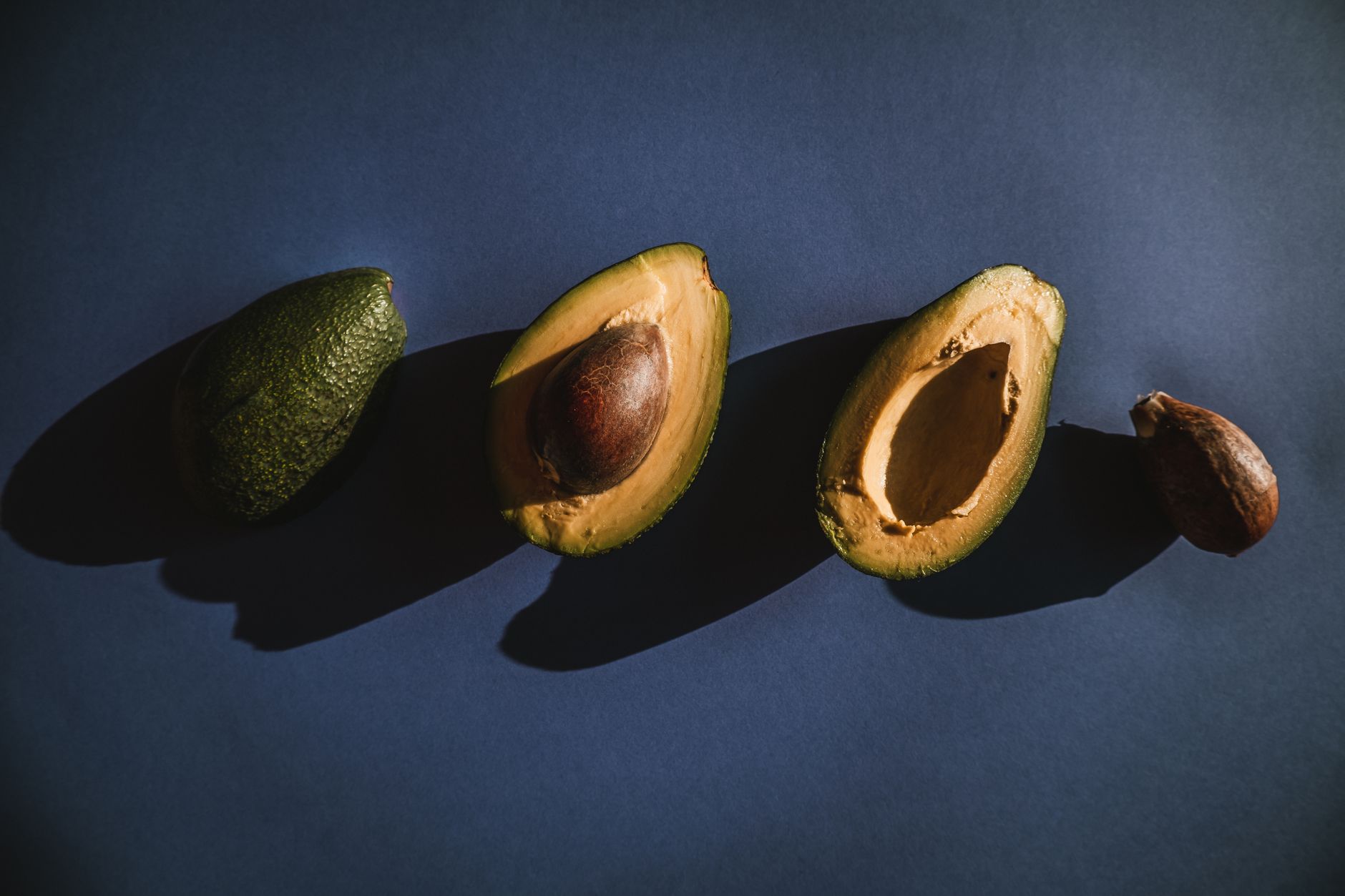
Avocados are a versatile fruit known for their creamy texture and rich flavor. They have gained popularity for their health benefits, particularly among those following a plant-based diet or seeking nutritious food options. A common question is, “How many calories is an avocado?” Understanding the calorie content can help you incorporate avocados wisely into your meals.
This article explores the calorie content of avocados, their nutritional value, and practical tips on how to use them in different recipes. Whether you’re looking to add healthy fats to your diet or seeking ideas for delicious meals, this guide has you covered.
How Many Calories Is An Avocado?
The calorie content of an avocado depends on its size. On average, a whole medium avocado (about 150 grams) contains approximately 240-300 calories. Varieties and sizes can cause this number to vary slightly. For instance, small avocados may contain around 160-200 calories, while large ones can exceed 300.
Avocado calories come primarily from fat, predominantly monounsaturated fat, which is considered heart-healthy. Understanding this can help you balance your meals while enjoying the creamy deliciousness of avocados.
Nutritional Breakdown of Avocado
Besides their calorie content, avocados are packed with important nutrients:
- Monounsaturated Fats: 15 grams per serving, beneficial for heart health.
- Fiber: Approximately 10 grams per avocado, aiding digestion.
- Vitamins: Rich in vitamins C, E, K, and several B vitamins.
- Minerals: Includes potassium and magnesium, essential for various bodily functions.
The nutritional benefits of avocados make them an excellent choice for salads, spreads, or even smoothies.
Standard Serving Sizes
When considering how many calories is an avocado, it’s crucial to understand common serving sizes. The typical serving size of avocado is a third or half of a medium avocado, depending on your dietary needs:
- 1/3 Medium Avocado: About 80-100 calories.
- 1/2 Medium Avocado: About 120-150 calories.
Measuring serving sizes can help in meal planning and calorie tracking, particularly if you follow a specific diet or have calorie goals.
The Role of Avocados in a Healthy Diet
Incorporating avocados into your diet can provide numerous health benefits. They can help with weight management due to their high fiber and fat content, which promotes satiety. Here are a few ways avocados can fit into your daily meals:
Breakfast
Avocados can be a tasty addition to various breakfast dishes. Consider spreading mashed avocado on whole-grain toast, pairing it with poached eggs. This combination adds healthy fats and protein to your morning routine. Furthermore, they can be blended into smoothies for added creaminess and nutrition.
Lunch
Add avocado slices to salads, wraps, or sandwiches. They not only enhance flavor but also provide a satisfying element that can help you feel full. For instance, a spinach salad topped with avocado, cherry tomatoes, and a vinaigrette can make for a balanced lunch.
Dinner
For dinner, avocados can be incorporated into tacos, grain bowls, or even as a garnish for soups. Their creamy texture complements various dishes and can bring a richness that enhances the overall meal. Try creating a quinoa bowl topped with roasted vegetables and avocado for a nutrient-dense dinner.
How to Choose and Store Avocados
Selecting the right avocado is key if you want to enjoy their taste and nutritional value. Here are some tips:
- Choosing: Look for avocados that yield slightly to gentle pressure. If they feel too firm, they are not ripe; if they feel overly mushy, they may be overripe.
- Storing: Store unripe avocados at room temperature to ripen. Once ripe, you can store them in the refrigerator to prolong freshness. A cut avocado can be stored in an airtight container with a sprinkle of lemon juice to prevent browning.
Common Mistakes When Cooking with Avocados
While avocados are easy to use, a few common pitfalls can detract from their enjoyment:
- Not allowing enough time for the avocado to ripen, resulting in a hard texture.
- Overcooking avocado in dishes like omelets or baked goods, causing undesirable flavors and textures.
- Slicing into an avocado with a dull knife, making it harder to cut neatly.
Avoiding these mistakes can greatly enhance the experience of cooking with avocados.
Avocado Recipes to Try
Here are two delicious recipes that highlight the versatility of avocados:
Avocado Toast
This popular dish combines simple ingredients for a nutritious breakfast or snack.
- 1 ripe avocado
- 2 slices whole-grain bread
- Salt and pepper to taste
- Optional toppings: poached egg, radish, or chili flakes
- Toast the bread slices until golden brown.
- While the bread is toasting, slice the avocado in half and remove the pit. Scoop the flesh into a bowl and mash it with a fork.
- Spread the mashed avocado evenly onto the toasted bread. Season with salt and pepper.
- Add any additional toppings you like, and enjoy!
Avocado Chocolate Mousse
A guilt-free dessert that surprises many with its rich flavor.
- 2 ripe avocados
- 1/4 cup cocoa powder
- 1/4 cup maple syrup or honey
- 1/4 cup almond milk (or milk of choice)
- 1 teaspoon vanilla extract
- In a blender, combine all the ingredients until smooth and creamy.
- Adjust sweetness or cocoa, as needed, for personal taste.
- Chill the mousse in the refrigerator for at least 30 minutes before serving.
Integrating Avocados into Meal Plans
If you’re looking to incorporate more avocados into your weekly meals, here are some practical meal planning tips:
- Designate one or two days a week as “avocado days,” where you feature avocado in at least one meal.
- Batch prepare guacamole or avocado salad to use throughout the week in varied meals.
- Pair avocados with ingredients like beans, eggs, or whole grains to create balanced meals.
Possible Substitutions for Avocados
While avocados are somewhat unique in flavor and texture, here are possible substitutes in certain dishes:
- Nut Butters: For spreads on toast or in smoothies, nut butters can add creaminess but will alter the flavor profile.
- Sour Cream: In dips and dressings, sour cream can create a similar richness, though it lacks the healthy fats.
- Silken Tofu: For creamy textures in desserts, silken tofu can be used as a base, providing protein without the flavor of avocado.
Understanding Caloric Needs
When incorporating avocados into your diet, consider your overall caloric needs. The average daily intake varies based on age, activity level, and health goals. Keep in mind that while avocados are relatively high in calories, they offer important nutrients and health benefits, making them a worthwhile addition to your diet.
Final Thoughts on Avocado Consumption
Avocados provide a unique combination of flavor, creaminess, and nutrition. Their calorie content, while moderate, is offset by numerous health benefits, making them a valuable component of a balanced diet. By being mindful of portion sizes and incorporating avocados into meals creatively, you can enjoy their rich taste without compromising on nutrition.
Consider trying recipes like avocado bread or enriching your breakfast with a chia pudding that features avocados for a creamy texture. Explore these ideas to maximize your avocado enjoyment!