
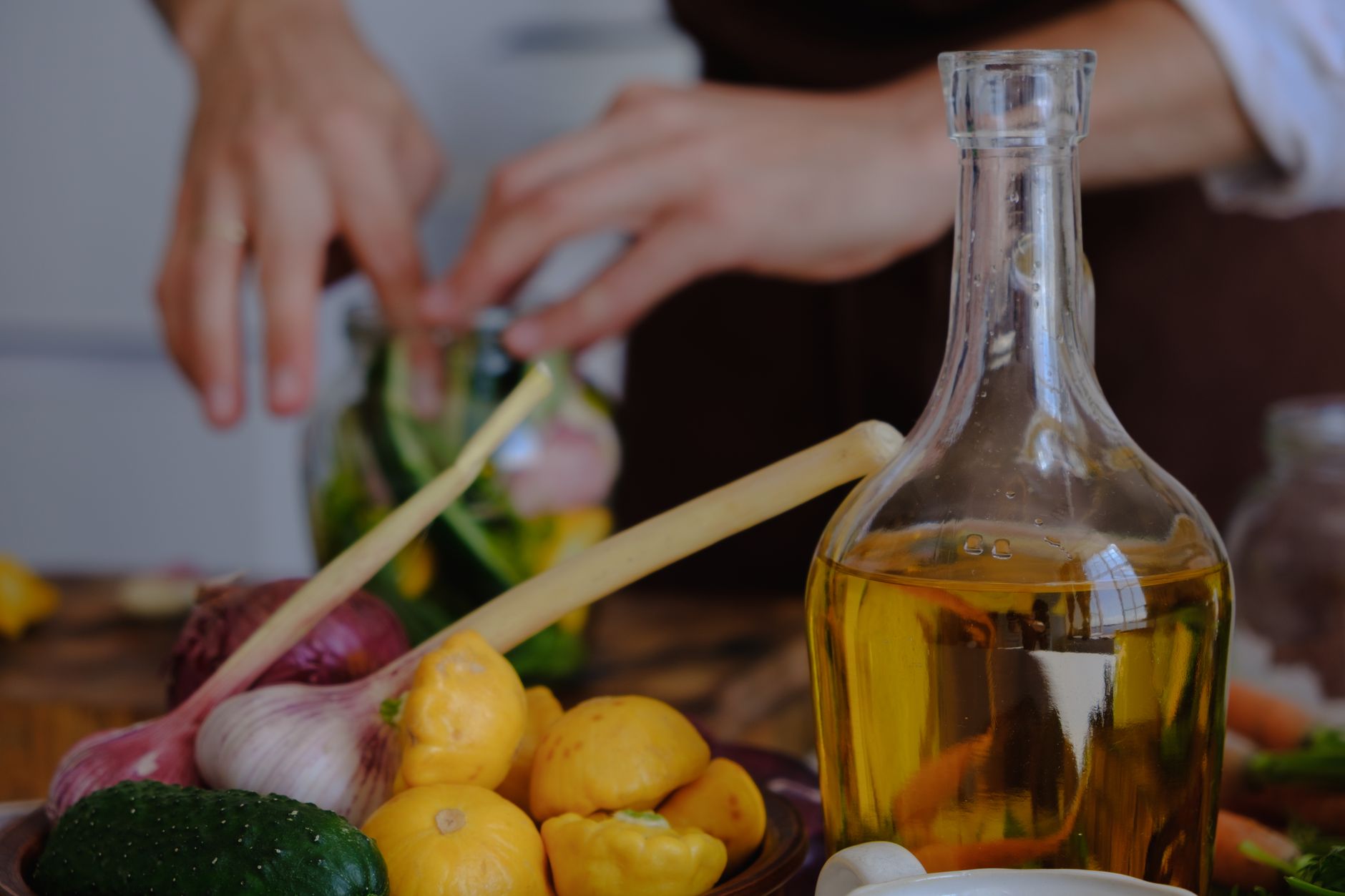
When it comes to cooking, we often find ourselves reaching for a bottle of oil for sautéing, dressing, or baking. Olive oil and vegetable oil are popular choices, but what happens when a recipe calls for one, and you only have the other? In this article, we’ll explore whether you can use vegetable oil instead of olive oil, considering factors like flavor, health benefits, and cooking techniques.
Understanding the differences between these oils will help you make informed decisions in the kitchen. We’ll also provide tips on substitutions, common uses for each oil, and what impact these choices may have on your dishes.
Can I Use Vegetable Oil Instead Of Olive Oil?
Yes, you can use vegetable oil instead of olive oil in most recipes, but there are some important considerations to keep in mind. Vegetable oil has a more neutral flavor and a higher smoke point than olive oil, which can affect the taste and cooking process of your dish.
Understanding Olive Oil and Vegetable Oil
What is Olive Oil?
Olive oil is derived from the fruit of the olive tree and is commonly used in Mediterranean cuisine. It comes in various types, including extra virgin, virgin, and light olive oil, each with distinct flavor profiles and uses. Extra virgin olive oil is the least processed, retaining more of the natural flavors and nutrients of the olives, and has a robust taste.
What is Vegetable Oil?
Vegetable oil is a blend of oils derived from various plant sources, such as soybean, corn, sunflower, or canola. This oil is refined to have a neutral flavor and high smoking point, making it versatile for frying, baking, and sautéing. Since the flavor is mild, it won’t overpower your dishes.
Flavor Differences
One of the key differences between olive oil and vegetable oil is their flavor. Olive oil offers rich, fruity, or peppery notes, which can enhance the taste of your dishes. Conversely, vegetable oil has a bland flavor profile, making it less impactful in dishes where olive oil’s distinct taste is desired.
Smoke Points
The smoke point of an oil is the temperature at which it begins to smoke and break down, producing harmful compounds. Olive oil has a smoke point ranging from 320°F to 410°F, depending on its type, while vegetable oil typically has a higher smoke point of around 400°F to 450°F. This difference allows vegetable oil to be suitable for high-temperature cooking methods like frying, whereas olive oil is better for lower-temperature methods or finishing dishes.
When to Substitute Vegetable Oil for Olive Oil
Substituting vegetable oil for olive oil can work well in several scenarios:
- Baking: When baking, the flavor of olive oil may not be noticeable, making vegetable oil a suitable substitute.
- Frying: If you’re frying at high temperatures, vegetable oil’s higher smoke point makes it a good option.
- Dressings and Marinades: In dressings, if you prefer a more neutral taste, vegetable oil can help achieve that.
- Sautéing: For basic sautéing where the oil flavor isn’t critical, vegetable oil can replace olive oil.
Potential Drawbacks of Substituting
While vegetable oil can be a practical substitute, it may not always perform the same way as olive oil, particularly in providing flavor. Here are a few considerations:
- Flavor Profile: If a recipe relies on the olive oil’s flavor (like a vinaigrette), vegetable oil might dull the overall taste.
- Nutritional Benefits: Olive oil contains healthy monounsaturated fats and antioxidants that provide various health benefits. Using vegetable oil may reduce these benefits.
Practical Substitution Ratios
When substituting vegetable oil for olive oil, you can generally use a 1:1 ratio. Replace the amount of olive oil called for in the recipe with an equal amount of vegetable oil. However, adjust based on the specific dish and your personal flavor preferences.
Cooking and Baking Techniques with Both Oils
Cooking with Olive Oil
When cooking with olive oil, remember the following:
- Best for: Low to medium heat sautéing, roasting vegetables, finishing dishes, and dressings.
- Common Uses: Mediterranean dishes, sautéed vegetables, pasta drizzles, and marinades.
- Measurement: Use approximately 1 tablespoon of olive oil when sautéing for every 2 cups of vegetables.
Cooking with Vegetable Oil
When using vegetable oil, keep these tips in mind:
- Best for: High-heat frying, baking, and when flavor neutrality is desired.
- Common Uses: Frying, baking cakes and cookies, and making sauces.
- Measurement: Use 1:1 ratio when substituting for olive oil, adjusting as necessary for taste.
Common Recipes That Use Olive Oil and Suggested Vegetable Oil Substitutes
Here are some common recipe examples that use olive oil along with suggested vegetable oil substitutes:
1. Vinaigrettes
Olive oil is a classic base for vinaigrettes. However, if you prefer vegetable oil’s neutral flavor:
- Use vegetable oil in equal amounts for dressings.
- Add flavor with acid (vinegar or lemon juice) and seasonings for a balanced taste.
2. Roasted Vegetables
Roasting requires oil for flavor and browning. If running low on olive oil:
- Substitute vegetable oil at a 1:1 ratio.
- Enhance flavor by adding herbs, garlic, or spices with the oil.
3. Pasta Sauces
In pasta dishes that require olive oil for richness:
- Swap olive oil for vegetable oil for sautéing garlic or vegetables.
- Use quality Italian herbs to enhance taste.
Storage and Shelf Life of Both Oils
Proper storage can significantly affect the shelf life of vegetable oil and olive oil:
- Olive Oil: Store in a cool, dark place. Unopened bottles may last up to two years; opened bottles should be consumed within 6 months to a year for optimal flavor.
- Vegetable Oil: Also store in a cool, dark place. It can last up to a year, but check for any off smells that may indicate rancidity.
Conclusion
In summary, while vegetable oil can be used as a substitute for olive oil, it is crucial to consider the flavor and smoke point differences. Opt for vegetable oil when a neutral taste is desired or when cooking at high temperatures, while utilizing olive oil for its unique flavors and health benefits in lower-temperature applications. Adjust recipes based on the dish and remember to store oils properly to maximize their lifespan.
For more culinary insights, tips on perfect baking with oil, or alternative oils, explore our guides on substituting avocado oil for olive oil and baking banana bread with oil.