
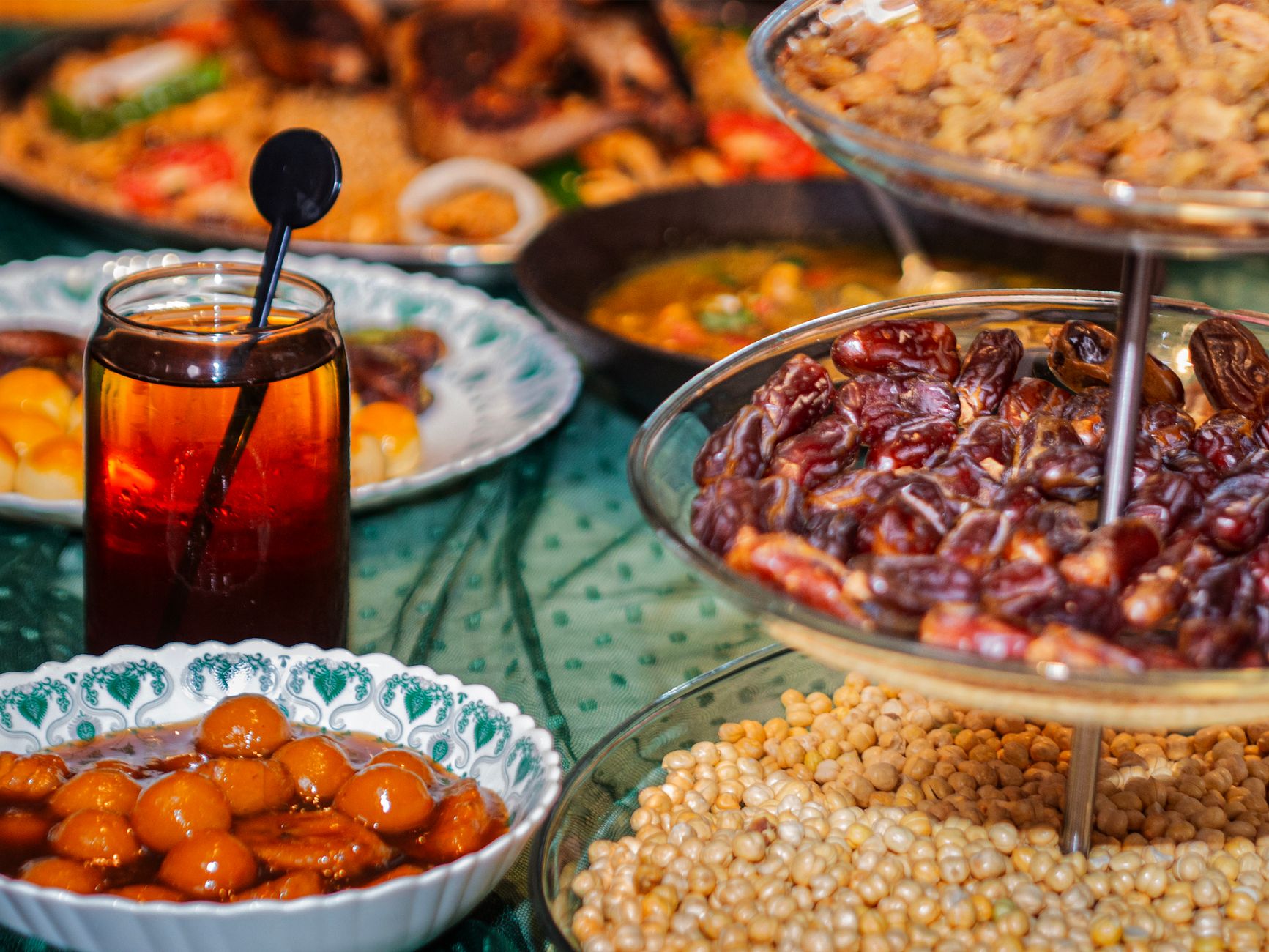
During Ramadan, Muslims engage in fasting from dawn until sunset, which involves abstaining from food and drink. Understanding the timeline of when you can eat is essential for proper meal planning and hydration during this holy month. This article dives into the specifics of when and how to prepare meals around the fasting schedule.
This guide provides information on meal timings, preparation tips, food suggestions, and versatile recipes that complement the evening meal, called iftar, and the pre-dawn meal known as suhoor. Whether you are observing Ramadan yourself or preparing meals for someone who is, this information will help you navigate the unique eating schedule.
When Can You Eat During Ramadan?
The fasting day during Ramadan begins at dawn (Fajr) and ends at sunset (Maghrib). Typically, you can eat two meals: suhoor before dawn and iftar after sunset. The exact times may vary depending on location and the time of year, so it’s best to consult local prayer time tables or apps.
Understanding Fasting Times
Fasting entails not consuming any food or drinks from the break of dawn until sundown. Here is a breakdown of the two crucial meals:
- Suhoor: This is the pre-dawn meal consumed in the last moments before the Fajr prayer. Having a nutritious and filling suhoor can help sustain energy levels throughout the day.
- Iftar: This is the meal that breaks the fast at sunset, often initiated by eating dates and drinking water. It’s a time for family and community gatherings, often featuring multiple dishes.
Timing and Meal Preparation
Suhoor: Timing and Recommendations
Suhoor should be consumed before the Fajr prayer, which varies by location and can be looked up on local prayer schedule resources. A balanced suhoor can include:
- Complex Carbohydrates: Foods such as oats, whole grain bread, and fruits help maintain energy levels.
- Protein Sources: Eggs, nuts, yogurt, or cheese can make for a sustaining meal.
- Hydration: Drinking plenty of water is essential, as it will hydrate you for the day ahead. Consider hydrating foods like cucumbers and watermelon.
Iftar: Timing and Considerations
Iftar starts immediately after sunset. It is traditional to break the fast with dates and water. This meal can include a variety of foods, often rich and filling, as it prepares the body to replenish energy. Here are some meal tips:
- Begin with Dates: Dates are a sweet fruit packed with nutrients. Traditionally, three dates are consumed to break the fast.
- Start with a Light Soup or Salad: Following the dates, a warm soup or light salad can ease the digestive process.
- Main Course: Consider dishes rich in protein and healthy fats, such as grilled chicken, stews, or a rice-based dish.
- Finish with Dessert: Treats such as sweets, puddings, or fruits can round out the meal.
Food Suggestions for Suhoor and Iftar
Meal Ideas for Suhoor
Here are some practical meal ideas for suhoor:
- Overnight Oats: Combine oats with milk or yogurt, chia seeds, and fruits. This can be prepared the night before.
- Egg and Avocado Toast: Whole grain bread topped with smashed avocado and a poached egg makes for a hearty meal.
- Greek Yogurt Parfait: Layer yogurt with granola and berries for a nutritious option.
- Chia Seed Pudding: Mix chia seeds with milk and let it set overnight for a fiber-rich option.
Meal Ideas for Iftar
Ideas for vibrant and fulfilling iftar meals include:
- Lentil Soup: A warm and hearty soup to start off the meal.
- Chicken Biryani: A flavorful one-pot rice dish with spices and marinated chicken.
- Stuffed Peppers: Bell peppers stuffed with a mix of rice, meat, and spices.
- Fattoush Salad: A fresh and vibrant salad that includes crispy bread, mixed greens, and a zesty dressing.
Meal Prep and Planning for Ramadan
Planning and prepping meals in advance can save time and stress during Ramadan. Here are some practical tips:
Batch Cooking
Choose to batch-cook several meals that can be easily reheated:
- Cook grains like rice or quinoa in large quantities.
- Prepare stews or soups in bulk to freeze for quick meals.
- Marinate proteins a day ahead to enhance flavors and make cooking quicker.
Flexible Menus
Create a flexible menu plan that includes various options for suhoor and iftar. Here’s how:
- Choose themes for certain days: Meatless Mondays, Taco Tuesdays, etc.
- Make lists of favorite recipes: Rotate different options to add variety week by week.
Common Mistakes to Avoid
While observing Ramadan, some common pitfalls can affect fasting and meal quality. Here’s what to watch out for:
- Skipping Suhoor: Missing the pre-dawn meal can lead to fatigue during the day.
- Overindulging at Iftar: Eating too quickly or too much can cause digestive problems.
- Dehydration: Ensure to drink plenty of water between iftar and suhoor.
Hydration Tips
Staying hydrated is crucial during Ramadan. Here are some strategies to help maintain fluid intake:
- Avoid Caffeine: Beverages like coffee and tea can lead to dehydration.
- Drink Water Gradually: Aim to drink approximately 8-10 cups of water between iftar and suhoor.
- Consume Hydrating Foods: Foods with high water content, like fruits and vegetables, should be included in both meals.
Conclusion
Understanding when and what to eat during Ramadan can significantly enhance this spiritual journey. Preparing nutritious and balanced meals for suhoor and iftar ensures that you remain energized and focused throughout the month.
Keep planned meals versatile and nutrient-rich for optimal health and satisfaction. If you would like to explore some delicious recipes for your Ramadan meals, consider making chia pudding or try baking a traditional date cake to enjoy after iftar. Happy fasting!