
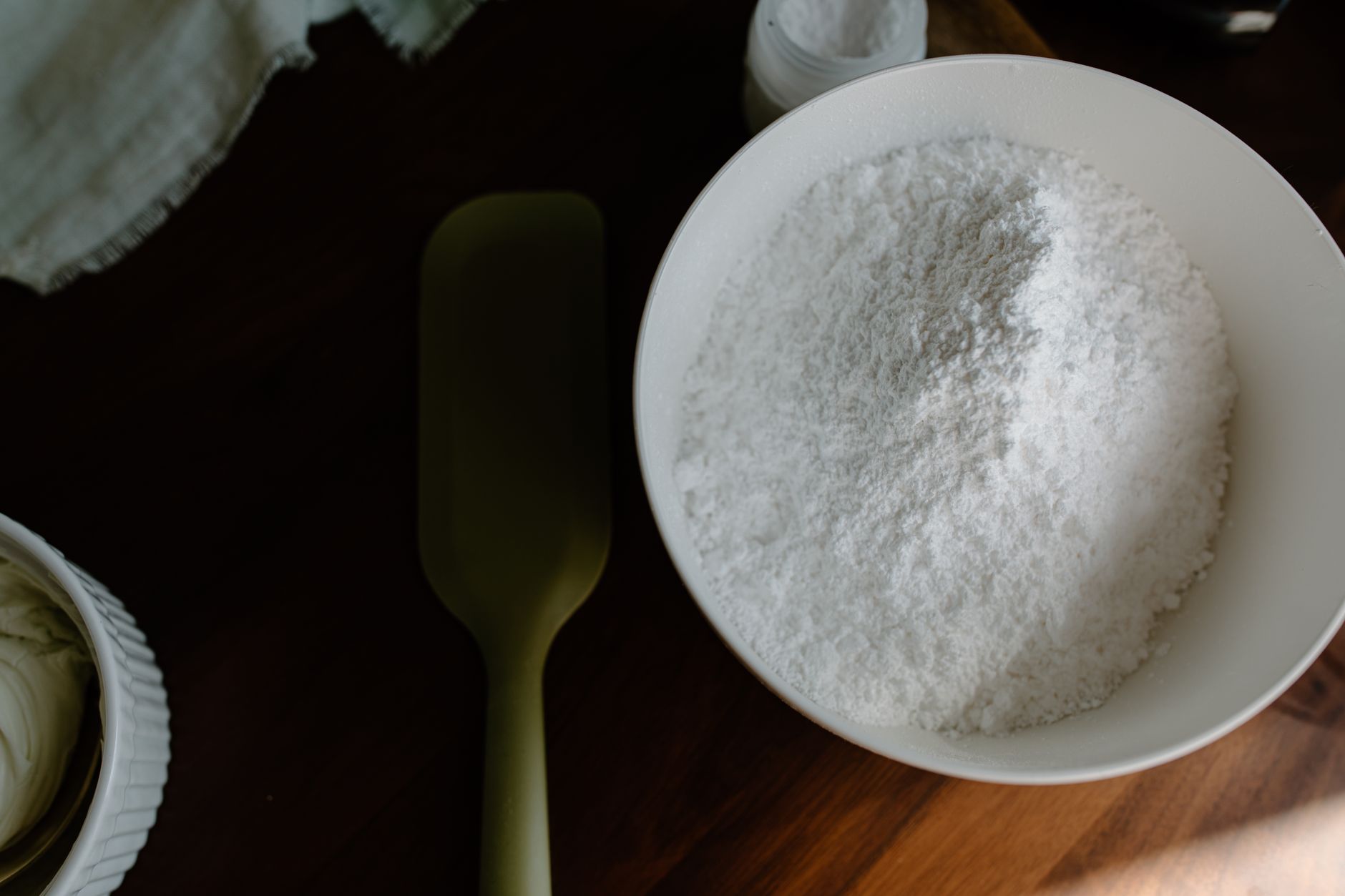
Cornstarch is a common pantry ingredient that many people may not realize has various culinary uses. Typically used as a thickening agent in sauces, soups, and desserts, its versatility extends beyond just cooking. This article explores whether you can eat cornstarch and how it can be safely enjoyed in different forms.
While cornstarch is not typically eaten raw due to potential digestive issues and texture concerns, it’s a key component in several recipes. Understanding how to cook with cornstarch can elevate your culinary skills and ensure you use it effectively in your kitchen.
Can You Eat Cornstarch?
Yes, you can eat cornstarch, but it’s important to cook it first. When raw, cornstarch can be challenging on the digestive system and may cause discomfort. However, when cooked, it serves as an excellent thickening agent and can enhance many dishes, making it safe to consume.
What Is Cornstarch?
Cornstarch is a fine, white powder made from the endosperm of the corn kernel. It is primarily composed of carbohydrates and is gluten-free, making it an excellent alternative for those following special diets or with gluten sensitivities. In culinary contexts, it is prized for its ability to thicken liquids without imparting much flavor or color.
Culinary Uses of Cornstarch
Cornstarch can be utilized in various ways in the kitchen. Here are some of the most popular uses:
- Thickening Agent: Cornstarch is widely used to thicken sauces, gravies, soups, and jams. When mixed with a cold liquid and then heated, it forms a gel that provides a desirable texture.
- Baking: It can be incorporated into baking recipes, adding lightness to cakes or cookies. It is often used in combination with other flours for a tender texture.
- Coating: Cornstarch is commonly used to coat proteins like chicken or tofu before frying to achieve a crispy texture.
- Stabilizer: In desserts, cornstarch helps stabilize mixtures, such as puddings and custards, ensuring they maintain the desired consistency.
Common Recipes Using Cornstarch
Here are a few recipes where cornstarch plays a crucial role:
- Cornbread Pudding: A dessert that gets its creamy texture from cornstarch.
- Corn Soufflé: A fluffy dish where cornstarch helps bind the ingredients together.
How to Cook with Cornstarch
When cooking with cornstarch, there are some best practices to follow to ensure optimal results:
Preparing a Cornstarch Slurry
The easiest way to use cornstarch as a thickener is to create a slurry:
- Measure the cornstarch. Typically, you will need about 1 tablespoon of cornstarch for every cup of liquid you want to thicken.
- In a small bowl, mix with an equal amount of cold liquid (water or broth) until smooth.
- Add the slurry to the hot liquid you wish to thicken, stirring continuously to prevent lumps.
Heat the mixture until it thickens, usually within 1 to 2 minutes. Do not boil vigorously, as this can break down the cornstarch and reduce its thickening ability.
Common Mistakes with Cornstarch
While cooking with cornstarch, here are some common mistakes to avoid:
- Not using a slurry: Adding cornstarch directly to hot liquids can create lumps. Always make a slurry first.
- Boiling after thickening: Once the mixture has thickened, it’s best to avoid boiling as it can thin out the sauce again.
- Using too much: Excess cornstarch can lead to a gummy texture. Follow recommended ratios carefully.
Practical Substitutions for Cornstarch
Sometimes, you may find yourself without cornstarch. Here are some effective substitutions you can use:
- Flour: Use all-purpose flour as a thickening agent, but you may need to use double the amount compared to cornstarch (2 tablespoons of flour per tablespoon of cornstarch). Keep in mind that flour will impart a slightly different flavor and texture.
- Arrowroot Powder: A great gluten-free alternative that can be used in a 1:1 ratio with cornstarch.
- Tapioca Starch: Another gluten-free option that can be substituted in a 1:1 ratio.
- Potato Starch: Can replace cornstarch in equal amounts but may give a slightly different texture.
Eating Raw Cornstarch: What to Know
Eating cornstarch raw is not recommended due to potential digestive discomfort. However, some people might consume it in small amounts for various reasons, often linked to pica—an eating disorder characterized by craving non-food substances. While it’s technically safe in small quantities, it is still best advised to cook it first to avoid any gastrointestinal issues.
Storage of Cornstarch
Proper storage of cornstarch is essential for maintaining its quality:
- Keep it dry: Store cornstarch in a cool, dry place in an airtight container to prevent moisture from clumping.
- Check the expiration: Always check the expiration date; cornstarch typically lasts indefinitely if stored correctly, but its thickening ability may diminish over time.
- Avoid cross-contamination: Always use a clean, dry spoon when scooping out cornstarch to prevent contamination.
Conclusion
Cornstarch is a versatile ingredient that can be safely consumed when prepared correctly. While it is not recommended to eat raw cornstarch, its various uses in cooking and baking make it a valuable addition to your kitchen. By understanding how to use cornstarch effectively, you can enhance your culinary creations.
For more insights on using cornstarch in your cooking adventures, explore our Cornbread Pudding and Corn Soufflé recipes, which highlight this ingredient beautifully.