
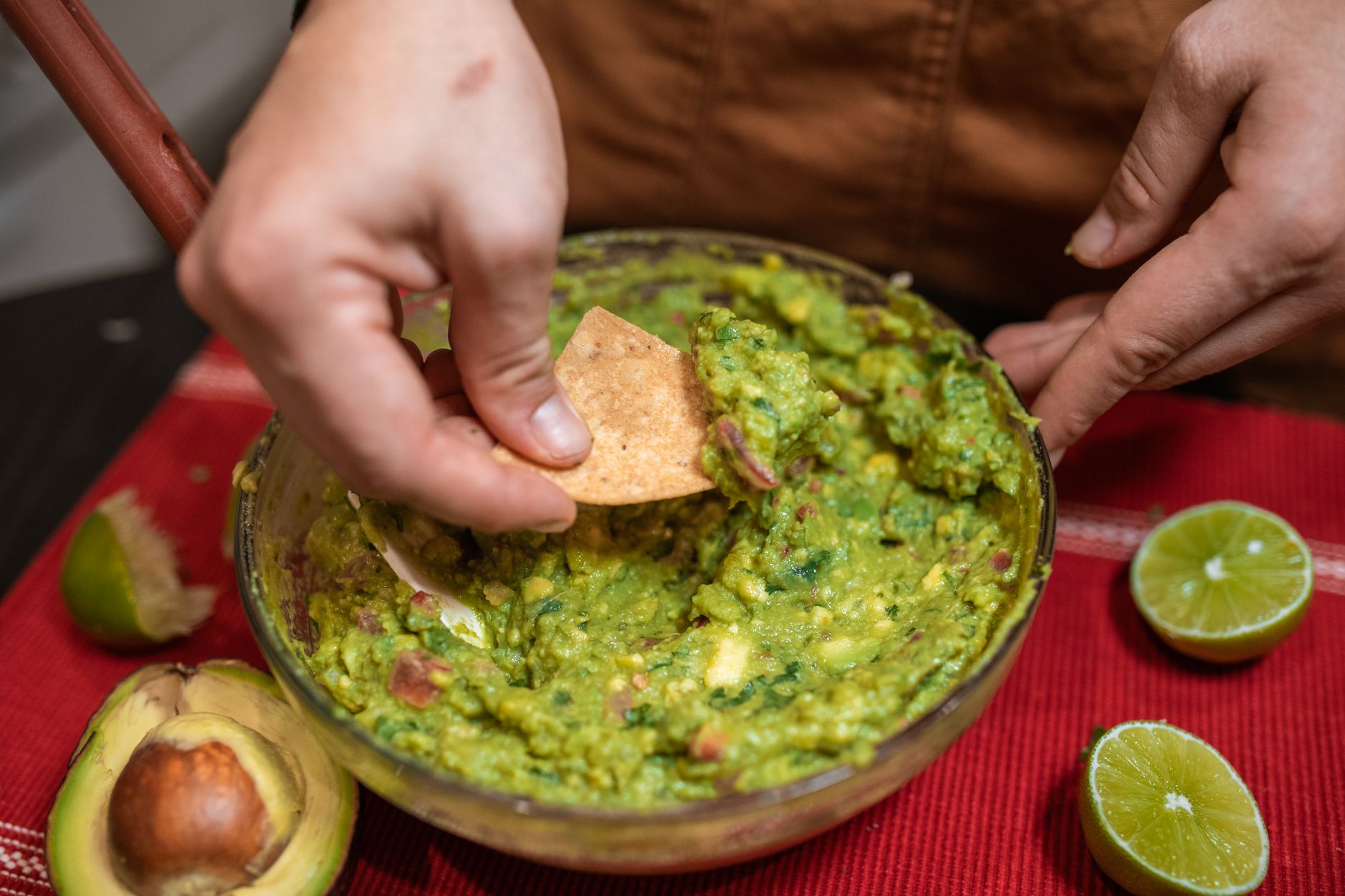
Many dog owners often wonder if their furry friends can share in their favorite meals. Guacamole, a popular avocado-based dip, is a delicious treat for humans but raises questions about its safety for canines. Understanding the ingredients in guacamole is critical for making informed choices about what can safely be shared with your pets.
While guacamole can be tempting to share, it includes ingredients that may not be safe for dogs. The primary concern is the avocado itself, along with other components that could pose risks. This guide will help clarify whether dogs can have guacamole, covering its ingredients, potential hazards, and safe alternatives.
Can Dogs Have Guacamole?
No, dogs should not have guacamole. While the primary ingredient, avocado, is nutritious for humans, it contains a substance called persin, which can be harmful to dogs in significant amounts. Additionally, other common guacamole ingredients like garlic and onion are toxic to dogs.
Understanding Guacamole Ingredients
To grasp why guacamole is not suitable for dogs, it’s essential to understand the key ingredients typically used in this dip. Here are the most common components:
- Avocados: The main ingredient of guacamole, avocados, contain fats and various nutrients. However, they also have persin, which, while generally safe for humans, can lead to digestive upset in dogs.
- Garlic: Garlic is often included in guacamole recipes for flavor. However, it is toxic to dogs and can lead to serious health issues if ingested in substantial amounts.
- Onions: Like garlic, onions are also harmful to dogs. They can cause hemolytic anemia, which affects the dog’s red blood cells.
- Lime Juice: While small amounts of lime juice are not toxic, the acidity can cause stomach upset in dogs.
- Salt: Excessive salt can lead to sodium ion poisoning in dogs and should be avoided in their diets.
- Tomatoes: Often included in guacamole, tomatoes are part of the nightshade family and can be harmful in large quantities.
The Risks of Feeding Guacamole to Dogs
Feeding guacamole to dogs carries several health risks. Here are a few important concerns:
1. Persin Toxicity
Avocados contain persin, which is safe for humans but can cause vomiting and diarrhea in dogs. In large amounts, persin may lead to more severe symptoms and discomfort.
2. Allium Toxicity
Garlic and onions belong to the allium family and are known to be toxic to dogs. Consuming even small quantities can damage a dog’s red blood cells, leading to anemia, lethargy, and even organ failure in severe cases.
3. Gastrointestinal Upset
The acidity of lime juice and the potential salt content can upset your dog’s stomach. Symptoms may include vomiting, diarrhea, and stomach pain.
4. High Fat Content
The fats present in avocados, while healthy for humans, may not sit well with dogs and can cause pancreatitis, which is inflammation of the pancreas. This condition can be very serious and requires veterinary attention.
What to Do if a Dog Eats Guacamole
If your dog accidentally consumes guacamole, monitor them closely for any signs of distress. These signs could include:
- Vomiting
- Diarrhea
- Lethargy
- Loss of appetite
If any of these symptoms occur or if your dog has consumed a large quantity, it’s essential to contact a veterinarian for guidance.
Safe Alternatives to Guacamole for Dogs
If your dog loves the taste of guacamole without the harmful ingredients, consider offering safer alternatives that mimic the creamy texture and flavor. Here are some dog-friendly options:
1. Mashed Avocado (In Moderation)
While full guacamole is out of the question, a small amount of mashed avocado can be given as a special treat for your dog. Ensure it is free from harmful ingredients like garlic and onion, and consult with your vet about appropriate serving sizes.
2. Sweet Potato Mash
Sweet potatoes are a nutritious and safe alternative. Cook and mash the sweet potatoes, optionally mixing in some plain Greek yogurt for a creamy texture. They’re rich in vitamins and safe for dogs.
3. Banana Puree
Bananas are another healthy option. They can be mashed and served alone or mixed with dog-friendly ingredients. Their natural sweetness can make your dog feel rewarded.
4. Homemade Dog Treats
Consider baking dog treats using wholesome ingredients. Ingredients such as peanut butter, whole wheat flour, and oats can create a delicious snack for your dog without the harmful additives found in guacamole.
Tips for Feeding Dogs
When introducing any new food into your dog’s diet, it’s essential to consider the following:
- Start Slow: Introduce new foods gradually to allow your dog’s digestive system to adapt.
- Consult Your Vet: Always consult with a veterinarian before introducing new foods, especially if your dog has existing health concerns.
- Monitor for Reactions: Keep an eye on your dog’s reaction after trying something new to catch any adverse reactions early.
Common Misconceptions About Dogs and Guacamole
Several myths circulate about dogs and guacamole, leading to confusion among pet owners. Here are some of the most prevalent misunderstandings:
1. Avocados are Safe in Small Quantities
While small quantities of avocado are less likely to cause issues, the presence of persin means it’s safest to avoid it altogether. Different dogs have different tolerances, so caution is always best.
2. Organic or Homemade Guacamole is Safe
Even homemade guacamole containing avocado, garlic, and onions poses the same risks as store-bought varieties. Homemade does not automatically mean safe for dogs.
3. All Dogs Love Avocados
While some dogs may enjoy avocado, not all dogs will react positively to it. It’s essential to consider each dog’s unique palate and sensitivities.
Understanding Your Dog’s Nutritional Needs
Before introducing any new food, it’s crucial to understand your dog’s dietary requirements. Dogs thrive on a balanced diet primarily consisting of:
- High-quality protein sources (meat, fish, eggs)
- Whole grains and legumes
- Fruits and vegetables suitable for dogs
Fruits and vegetables can be beneficial as treats or meal enhancers but should represent only a small portion of their overall diet. Always prioritize dog-safe options to avoid potential health issues.
Final Thoughts on Dog Treats
While guacamole is a delectable treat for humans, it is not suitable for dogs due to its ingredients. The risks of avocado, garlic, and onions make guacamole a food to avoid sharing with your canine companion. Instead, consider healthier, safer alternatives that can be equally satisfying for your dog.
For the well-being of your pet, focus on offering treats specifically formulated for dogs or dog-safe equivalents. By paying careful attention to your dog’s diet, you can keep them healthy and happy.
For more information on feeding dogs various safe options, check out our guides on can dogs eat cheddar cheese and can dogs eat yams. These valuable resources can help you make informed decisions for your furry friend’s nutrition.