
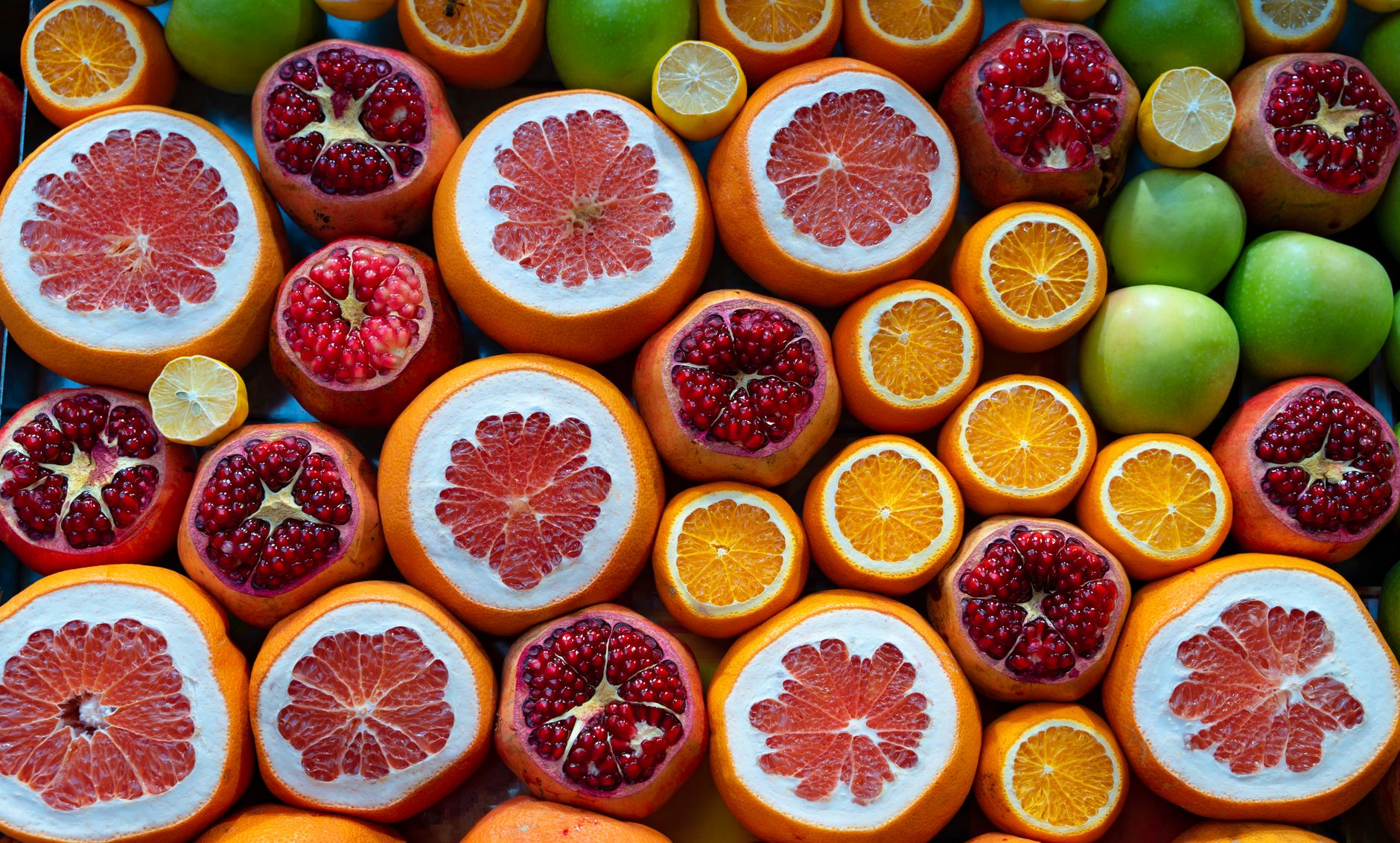
The concept of the five food groups serves as a fundamental framework for balanced nutrition, helping individuals understand how to create a healthy and varied diet. Each group is essential for providing specific nutrients that work together to support overall well-being.
This article will delve into what the five food groups are, their nutritional benefits, food examples from each group, and practical tips for incorporating them into daily meals.
What Are The 5 Food Groups?
The five food groups are fruits, vegetables, grains, protein foods, and dairy. Each group plays a distinct role in providing essential nutrients, and consuming a variety ensures that you meet your dietary needs effectively.
1. Fruits
Fruits are naturally sweet, nutritious, and packed with vitamins, minerals, and fiber. They serve as an essential part of a healthy diet, offering numerous health benefits.
Nutritional Benefits of Fruits
- Rich in vitamins such as vitamin C and potassium.
- High in dietary fiber, which promotes digestive health.
- Contains antioxidants that may help protect against chronic diseases.
Examples of Fruits
- Apples
- Bananas
- Oranges
- Berries (strawberries, blueberries, raspberries)
- Melons (watermelon, cantaloupe)
Incorporating Fruits into Your Diet
- Enjoy fruits as snacks, such as apple slices with almond butter or banana with yogurt.
- Add fruits to smoothies, oatmeal, or yogurt for a nutritious breakfast.
- Incorporate fruits into desserts, like fruit salads or baked fruits with cinnamon.
- Experiment with cooking or grilling fruits like peaches or pineapple to enhance their sweetness.
2. Vegetables
Vegetables are a vital source of nutrients and are usually low in calories. They are crucial for maintaining a healthy weight and supporting overall health.
Nutritional Benefits of Vegetables
- High in vitamins A, C, K, and several B vitamins.
- Packed with dietary fiber, aiding digestion and satiety.
- Low in fat and calories, supporting weight management.
Examples of Vegetables
- Leafy greens (spinach, kale, lettuce)
- Cruciferous vegetables (broccoli, cauliflower, Brussels sprouts)
- Root vegetables (carrots, beets, potatoes)
- Squashes (zucchini, butternut squash)
- Pulses (peas, green beans)
Incorporating Vegetables into Your Diet
- Add vegetables to salads, sandwiches, and wraps for added crunch and nutrition.
- Include a variety of colorful vegetables in stir-fries or curries.
- Roast or steam vegetables as side dishes to enhance their natural flavors.
- Use pureed vegetables in sauces, soups, or even baking for added moisture and nutrients.
3. Grains
Grains provide carbohydrates, which are the body’s primary energy source. Choosing whole grains over refined grains increases fiber intake and adds essential nutrients.
Nutritional Benefits of Grains
- Rich in B vitamins, which support metabolism and energy production.
- High in dietary fiber, promoting gut health and fullness.
- Source of important minerals such as iron, magnesium, and selenium.
Examples of Grains
- Whole grains (brown rice, quinoa, oats)
- Whole wheat products (whole wheat bread, pasta)
- Other grains (barley, millet, bulgur)
- Refined grains (white rice, white bread) – to be consumed in moderation.
Incorporating Grains into Your Diet
- Start the day with oatmeal topped with fruit and nuts.
- Use brown rice or quinoa as a base for bowls and salads.
- Substitute refined grain products with whole grain versions for a healthier alternative.
- Experiment with international grains like farro or polenta in various dishes.
4. Protein Foods
Protein is crucial for growth, repair, and maintenance of body tissues. It plays a significant role in almost every physiological process.
Nutritional Benefits of Protein Foods
- Essential for muscle building and repair.
- Supports immune function and hormone production.
- Helps maintain healthy skin, hair, and nails.
Examples of Protein Foods
- Meats (chicken, beef, pork)
- Fish and seafood (salmon, tuna, shrimp)
- Legumes (lentils, chickpeas, beans)
- Dairy products (milk, yogurt, cheese)
- Nuts and seeds (almonds, walnuts, chia seeds)
Incorporating Protein into Your Diet
- Opt for lean meats or plant-based proteins in stir-fries, sandwiches, and salads.
- Use legumes as a base for soups, stews, or veggie burgers.
- Add dairy products like Greek yogurt as a snack or in smoothies for protein boost.
- Snack on a variety of nuts or seeds for portable protein options.
5. Dairy
Dairy products are a primary source of calcium, which is vital for bone health. This food group also provides several other important nutrients.
Nutritional Benefits of Dairy
- High in calcium and vitamin D, supporting bone health.
- Contains protein that helps in muscle repair and growth.
- Offers probiotics found in certain dairy products, enhancing gut health.
Examples of Dairy Products
- Milk (whole, skim, or plant-based alternatives with added calcium)
- Yogurt (plain or flavored, regular or low-fat)
- Cheese (cheddar, mozzarella, feta)
Incorporating Dairy into Your Diet
- Start your day with yogurt topped with fruits and nuts for breakfast.
- Use milk in smoothies or as a base for sauces and soups.
- Add cheese to salads, casseroles, or as a snack with whole-grain crackers.
- Choose low-fat or non-fat options if managing calorie intake.
Tips for Balancing the 5 Food Groups
Integrating the five food groups into daily meals promotes balanced nutrition. Here are some practical tips to help you achieve that:
- Plan your meals around the food groups to ensure variety.
- Include at least one food from each group for lunch and dinner.
- Use seasonal produce to enhance flavor and nutrition in meals.
- Stay mindful of portion sizes to maintain a balanced diet without overindulging.
- Make a grocery list with items from all five food groups to avoid impulse buys.
Common Questions About the 5 Food Groups
How can I ensure I am getting enough of each food group?
Maintaining a food diary or using a meal-planning app can help you track your intake of each food group. Make conscious choices to include a variety of foods from each group in your meals and snacks.
What if I have dietary restrictions?
If you have dietary restrictions, ensure that you substitute appropriate foods from each group to meet your nutritional needs. Consult with a registered dietitian for personalized recommendations.
Conclusion
Understanding the five food groups is essential for building a healthy diet. By incorporating fruits, vegetables, grains, protein foods, and dairy into your meals, you can achieve balanced nutrition that supports overall health. Remember to vary your selections and experiment with new foods to keep your meals exciting and nutritious.
For further reading and to explore delicious and nutritious options, check out the benefits of chia seeds or discover foods rich in probiotics.