
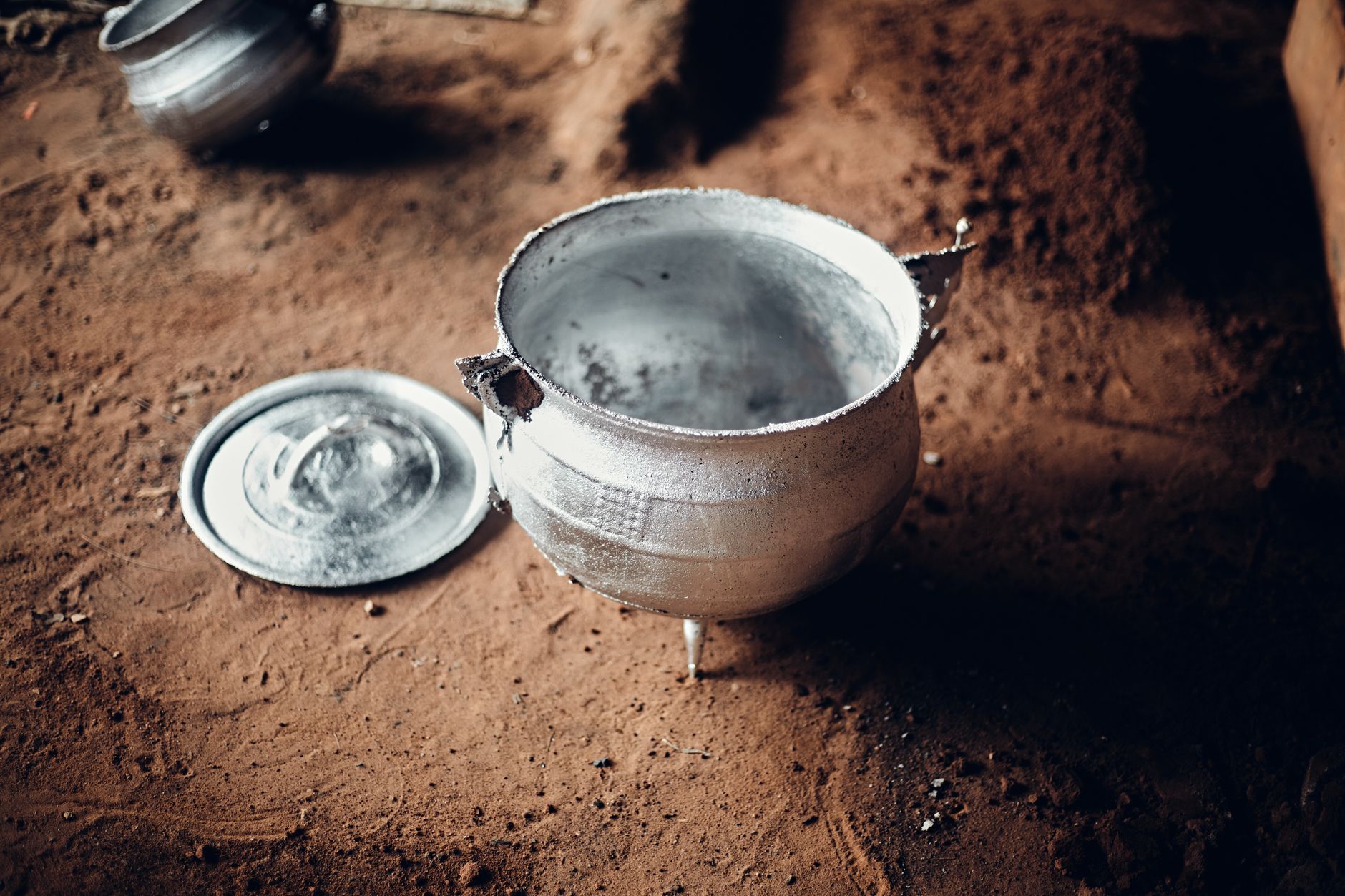
Aluminum cookware has garnered attention for its lightweight nature and excellent thermal conductivity, making it a popular choice in many kitchens. However, safety concerns regarding aluminum leaching into food have created a divide in opinions about its use. This article delves into the safety aspects of aluminum cookware, examining scientific evidence, types of cookware, best practices, and suitable alternatives.
Understanding whether aluminum cookware is safe involves exploring the potential risks associated with aluminum exposure and how it compares to other materials. This comprehensive guide aims to provide clarity for those weighing their options in kitchen equipment.
Is Aluminum Cookware Safe?
Yes, aluminum cookware is generally considered safe for cooking, particularly when anodized or coated. While there are concerns about aluminum leaching into food, especially with acidic ingredients, current research suggests that the amounts are minimal and not harmful to most individuals. However, some people may prefer to avoid aluminum due to personal health considerations.
Understanding Aluminum Cookware
Aluminum cookware comes in various forms and finishes, each impacting safety and performance:
- Raw Aluminum: Lightweight and excellent for heat conduction, but prone to scratching and leaching.
- Anodized Aluminum: Electrochemically treated to harden the surface, preventing leaching and making it more resistant to scratches.
- Coated Aluminum: Often finished with non-stick coatings, these pans can offer easy food release but require proper care to avoid damage to the coating.
Health Concerns Related to Aluminum
Certain health concerns have emerged over prolonged exposure to aluminum. While aluminum is present in many foods and medications, some studies have suggested a link between high aluminum levels and neurotoxicity, particularly in conditions like Alzheimer’s disease. Here’s a closer look at the evidence:
Scientific Studies
Research has been ongoing about the effects of aluminum on health. Some studies suggest a potential link between aluminum exposure and neurological issues; however, many experts agree that more research is needed. Notably, aluminum is a common element in the environment, and most people are exposed to low levels without adverse effects.
Regulatory Perspective
Organizations like the World Health Organization (WHO) and the U.S. Food and Drug Administration (FDA) have indicated that aluminum is safe for food contact in most scenarios. The WHO has established a provisional tolerable weekly intake (PTWI) for aluminum, which is well above the typical consumption levels.
When Does Aluminum Leach into Food?
Certain cooking conditions can increase the likelihood of aluminum leaching:
- High Heat: Cooking at high temperatures can promote leaching, particularly with raw aluminum cookware.
- Acidic Foods: Foods like tomatoes and citrus can react with aluminum, causing more metal to transfer into the food.
- Long Cooking Times: Extended exposure to heat can contribute to increased leaching.
Practical Measures to Minimize Aluminum Exposure
To reduce potential leaching during cooking, consider the following strategies:
- Choose Anodized or Coated Cookware: These types are designed to minimize leaching and are safer for long-term use.
- Avoid Cooking Acidic Foods: When using raw aluminum, opt for non-acidic foods or use alternative cookware for sensitive recipes.
- Limit Cooking Time: Shorten cooking times when using aluminum, especially with raw material.
Comparing Aluminum Cookware to Other Materials
When considering cookware safety, it’s essential to compare aluminum to other popular cookware materials:
Stainless Steel
Stainless steel cookware is known for its durability and resistance to rust and corrosion. It does not leach into food, making it a safer alternative for those concerned about metal exposure. However, it does not conduct heat as efficiently as aluminum, often requiring more energy to reach cooking temperatures.
Cast Iron
Cast iron cookware is another alternative that offers excellent heat retention but requires proper maintenance to prevent rust. Its heavy weight and seasoned surface can add unique flavors to dishes. However, individuals with conditions affecting iron levels should be cautious of excessive iron absorption.
Ceramic and Non-Stick Cookware
Ceramic cookware is free from metals like aluminum and offers a non-stick surface without toxins. However, its durability may vary, and high heat can damage the ceramic finish. Non-stick varieties, often made from Teflon or similar materials, can also provide great food release but may release harmful fumes if overheated.
Choosing Safe Cookware for Your Kitchen
When selecting cookware, consider the following criteria to ensure safety and functionality:
- Material: Opt for anodized aluminum or alternative materials like stainless steel and ceramic for safer options.
- Usage: Reflect on your cooking habits. If you often cook with acidic ingredients, it may be worth avoiding raw aluminum.
- Quality: Invest in reputable brands that offer durable, high-quality cookware designed for safety.
Proper Care and Maintenance of Aluminum Cookware
To ensure durability and minimize any potential risks associated with aluminum cookware, proper maintenance is crucial. Here are essential tips:
- Avoid Abrasive Cleaners: Use soft sponges and mild detergents to protect the surface of your cookware.
- Store Carefully: To prevent scratching, stack cookware with protective layers between them.
- Avoid High Heat Settings: Use medium or low heat to extend the life of your aluminum cookware.
Alternatives to Aluminum Cookware
If you choose to avoid aluminum completely, consider these viable alternatives:
- Cast Iron: Ideal for high-heat cooking and long-lasting use; requires seasoning.
- Stainless Steel: Durable and non-reactive; excellent for sautés and browning.
- Ceramic Cookware: Non-stick and great for baking; ensure it is of high quality for longevity.
- Glass Cookware: Non-reactive and easy to clean; perfect for baking and storage.
Specific Uses of Aluminum Cookware
Despite concerns, aluminum cookware remains widely used because of its unique properties. Here are some recommendations for its specific applications:
Frying and Sautéing
Aluminum skillets heat quickly and evenly, making them ideal for frying and sautéing. Always prefer anodized varieties for these methods to reduce the risk of leaching.
Baking
Aluminum bakeware is popular for its heat conduction, aiding in even baking. Use it for cakes, cookies, and pizza, but consider protective coatings to enhance its safety.
Boiling
Pots made from aluminum conduct heat efficiently, making them ideal for boiling. Ensure you’re using coated or anodized versions to mitigate any worries.
Grilling
Foil trays made from aluminum are convenient for grilling; they can help reduce mess. Just keep in mind to avoid placing acidic foods directly on raw aluminum.
Common Mistakes When Using Aluminum Cookware
Avoid these common pitfalls to extend the life of your aluminum cookware:
- Using Metal Utensils: This can scratch anodized or coated surfaces, allowing leaching to occur.
- Ignoring Temperature Recommendations: Cooking on high heat can damage the cookware’s surface.
- Storing Food in Aluminum Containers: Avoid storing leftover food in aluminum to reduce leaching.
Conclusion: Making Informed Choices
In conclusion, aluminum cookware can be safe when used appropriately, particularly if you choose anodized or coated varieties. Being aware of potential risks and following best practices can enhance your cooking experience. If you have specific health concerns or dietary needs, consider safer alternatives.
As you continue to explore your cooking options, consider checking out more guides on ingredients, cooking techniques, and kitchen equipment. Whether you’re looking for safer cookware options or seeking to enhance your cooking skills, there are a wealth of resources available to support your culinary journey.