
Understanding the link between diet and colon health is essential for making informed food choices. Polyps in the colon are growths that can develop due to various factors, including genetics, lifestyle, and, importantly, diet. This article will delve into the foods that may increase the risk of developing colon polyps.
By identifying these foods, you can better manage your dietary choices and potentially reduce your risk of colorectal issues. Let’s explore what you need to know to maintain a healthy colon through mindful eating.
What Foods Cause Polyps In The Colon?
Diet plays a significant role in the formation of polyps in the colon. Research suggests that high consumption of certain foods can lead to an increased risk of these growths. Key dietary factors include red and processed meats, a high-fat diet, refined carbohydrates, and low fiber intake. Understanding these correlations can help you make better food choices.
Red and Processed Meats
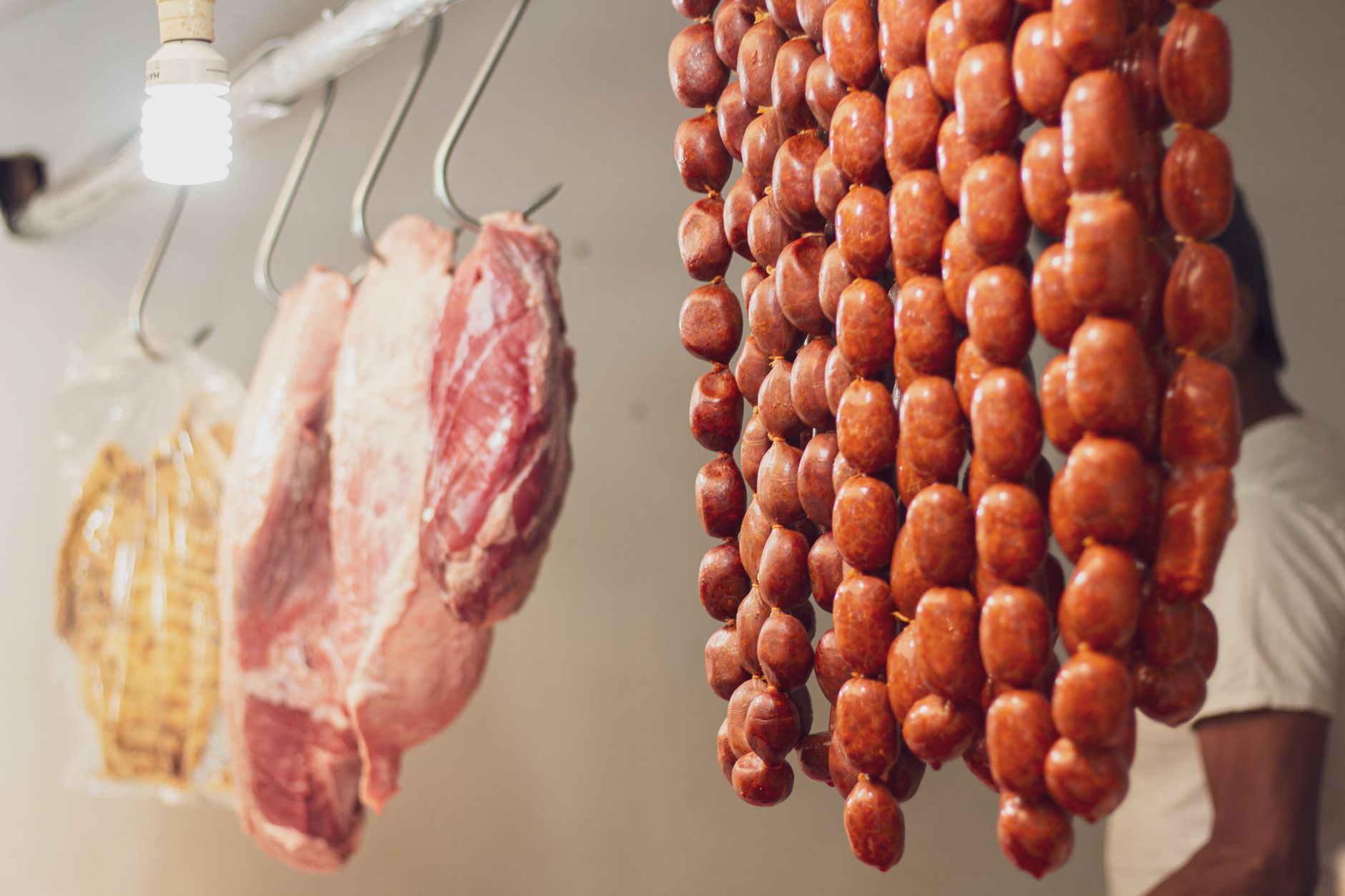
High consumption of red and processed meats has been linked to an increased risk of colon polyps. These meats often contain high levels of saturated fats and certain preservatives that may contribute to inflammation in the body.
Mechanisms of Impact
The consumption of red meat can lead to the production of harmful substances during digestion, such as N-nitroso compounds and polycyclic aromatic hydrocarbons. Processed meats like bacon, sausages, and deli meats often contain nitrates and nitrites, used as preservatives. These compounds may increase the risk of colorectal cancer and polyps.
Recommendations
- Try to limit red meat intake to fewer than 18 ounces per week.
- Choose lean cuts of meat and reduce portion sizes when consuming red meat.
- Opt for healthier protein sources like poultry, fish, beans, and legumes.
High-Fat Diets
High-fat diets, particularly those rich in unhealthy fats like trans fats and saturated fats, can increase the likelihood of colon polyps. Fats influence how the body processes other nutrients and can lead to inflammation in the colon.
Influence of Fats
Fats can alter the composition of bile, which plays a critical role in fat digestion. An imbalance in bile composition can lead to changes in gut bacteria, potentially fostering an environment conducive to polyp growth.
Practical Tips
- Limit your intake of fried foods, baked goods, and heavily processed snacks containing trans fats.
- Incorporate healthy fats, like avocados, nuts, and olive oil, instead of unhealthy fat sources.
- Balance fat intake by focusing on whole, unprocessed foods.
Refined Carbohydrates
Refined carbohydrates, often found in processed foods, can negatively affect gut health. These foods typically have a high glycemic index and can lead to energy spikes and rapid drops, affecting overall metabolism.
Impact on Gut Health
Eating refined carbs can disrupt the balance of beneficial bacteria in the gut, which is crucial for maintaining a healthy colon. This imbalance may increase inflammation, fostering conditions that support the development of polyps.
How to Adjust Your Diet
- Replace white bread and pasta with whole grain options that contain more fiber.
- Incorporate a variety of fruits and vegetables to boost your fiber intake and improve gut health.
- Read ingredients lists to avoid added sugars and processed ingredients common in refined carbohydrates.
Low Fiber Intake
A diet low in fiber can contribute significantly to the likelihood of developing colon polyps. Fiber is vital for promoting regular bowel movements and helping to detoxify the colon.
Why Fiber Matters
Fiber aids in the movement of food through the digestive tract and assists in keeping colon cells healthy. Low fiber intake can lead to constipation and irritation of the colon, making it more susceptible to polyps.
Incorporating More Fiber
- Consume a variety of high-fiber foods, including fruits, vegetables, whole grains, nuts, and seeds.
- Gradually increase fiber intake to avoid digestive discomfort.
- Looking for supplemental sources like psyllium husks can help if your diet still lacks fiber.
Alcohol Consumption
Moderate to heavy alcohol consumption has been associated with an increased risk of colon polyps. Alcohol can irritate the gastrointestinal tract and interfere with the absorption of essential nutrients.
Understanding Alcohol’s Role
Alcohol metabolism can produce acetaldehyde, a toxic compound that may damage DNA and increase the risk of cancerous growths in the colon. Limiting alcohol intake may help mitigate these risks.
Suggestions for Consumption
- Limit alcohol intake to one drink per day for women and two for men.
- Consider alcohol-free days as part of your weekly routine.
- Choose lower-alcohol options like light beer or wine when consuming alcohol.
High Sodium Intake
A diet high in sodium may contribute to increased polyp formation. Processed and packaged foods often have excessive sodium levels, which can lead to hypertension and affect overall gut health.
Sodium’s Effects
Excessive sodium intake can disrupt the balance of fluids in the body and lead to inflammation. Chronic inflammation may play a role in the development of various diseases, including polyps in the colon.
Reducing Sodium
- Read food labels to monitor sodium content carefully.
- Use herbs and spices for flavoring instead of salt.
- Limit consumption of canned foods or processed snacks known to be high in sodium.
Pro-Inflammatory Foods
Foods that cause inflammation in the body can elevate the risk of developing colon polyps. Some common pro-inflammatory foods include processed snacks, sugary drinks, and excessive fried foods.
Mechanisms of Inflammation
Chronic inflammation may promote the growth of polyps and the progression of colorectal cancer. Diets high in sugar, unhealthy fats, and artificial additives can increase inflammation levels in the body.
Making Better Choices
- Choose whole, unprocessed foods that are less likely to cause inflammation.
- Maintain a balanced diet rich in antioxidants found in fruits and vegetables.
- Consider incorporating anti-inflammatory foods like turmeric and fatty fish.
The Role of Dairy Products
The relationship between dairy and colon health is still being researched. Some studies suggest high dairy consumption may contribute to the risk of polyps due to certain compounds present in dairy products.
Dairy’s Effects
Certain dairy products can be difficult to digest for some individuals, potentially leading to inflammation. Lactose intolerance and other sensitivities may also cause digestive disturbances that impact colon health.
Recommendations for Dairy
- If you consume dairy, opt for low-fat or fermented options, such as yogurt, which may offer probiotic benefits.
- Monitor your body’s response and consider eliminating dairy if you experience digestive discomfort.
- Explore dairy alternatives that are fortified with calcium and vitamin D.
Fried and Grilled Foods
Foods that are fried or grilled at high temperatures can produce harmful compounds, such as acrylamide, which have been linked to increased cancer risk, including colorectal conditions.
Cooking Techniques to Avoid
When meats are grilled or fried, the high heat can create chemical reactions that form potentially harmful substances linked to various cancers, including the colon.
Healthier Cooking Methods
- Opt for baking, steaming, or sautéing with healthy oils to reduce harmful compound formation.
- Consider using marinades that contain herbs and citrus to lower the formation of carcinogens.
- Make use of low-temperature cooking techniques whenever possible.
Maintaining a Balanced Diet
While certain foods may pose a risk for developing polyps, others can support a healthy colon and reduce inflammation. A balanced diet rich in whole foods is key.
Foods to Incorporate
- Fruits and vegetables, especially leafy greens and cruciferous vegetables, can provide valuable nutrients and antioxidants.
- Whole grains like quinoa, brown rice, and oats can boost your fiber intake.
- Nuts and seeds, rich in omega-3 fatty acids, can offer anti-inflammatory benefits.
Practical Meal Ideas
- Start your day with a smoothie packed with spinach, berries, and chia seeds.
- Prepare lean protein sources like grilled chicken or fish with a side of roasted vegetables.
- Snack on raw, unsalted nuts or hummus with vegetable sticks.
Regular Screening and Monitoring
In addition to dietary choices, regular medical screening is fundamental in detecting and managing colon polyps. Early detection can lead to more favorable outcomes.
Importance of Screening
Recommended screening methods, such as colonoscopies, can help identify and remove polyps before they develop into more serious conditions. Follow your healthcare provider’s advice based on your personal and family health history.
Follow-Up Actions
- Consult with your physician regarding appropriate screening intervals based on your risk factors.
- Discuss dietary changes and any concerns related to colon health.
- Stay informed about the latest research regarding diet and colon health.
Adopting dietary changes to reduce the risk of developing colon polyps involves understanding what to limit and what to embrace. Awareness of how the foods you eat impact your colon health can aid in prevention. A diet rich in fruits, vegetables, whole grains, and lean proteins, coupled with regular medical checks, can lead to better health outcomes.
Explore our related articles for more insights: learn about the effects of caffeine in Diet Dr Pepper or find out about the connection between red meat and cancer. Your journey to healthier eating starts with informed choices!