
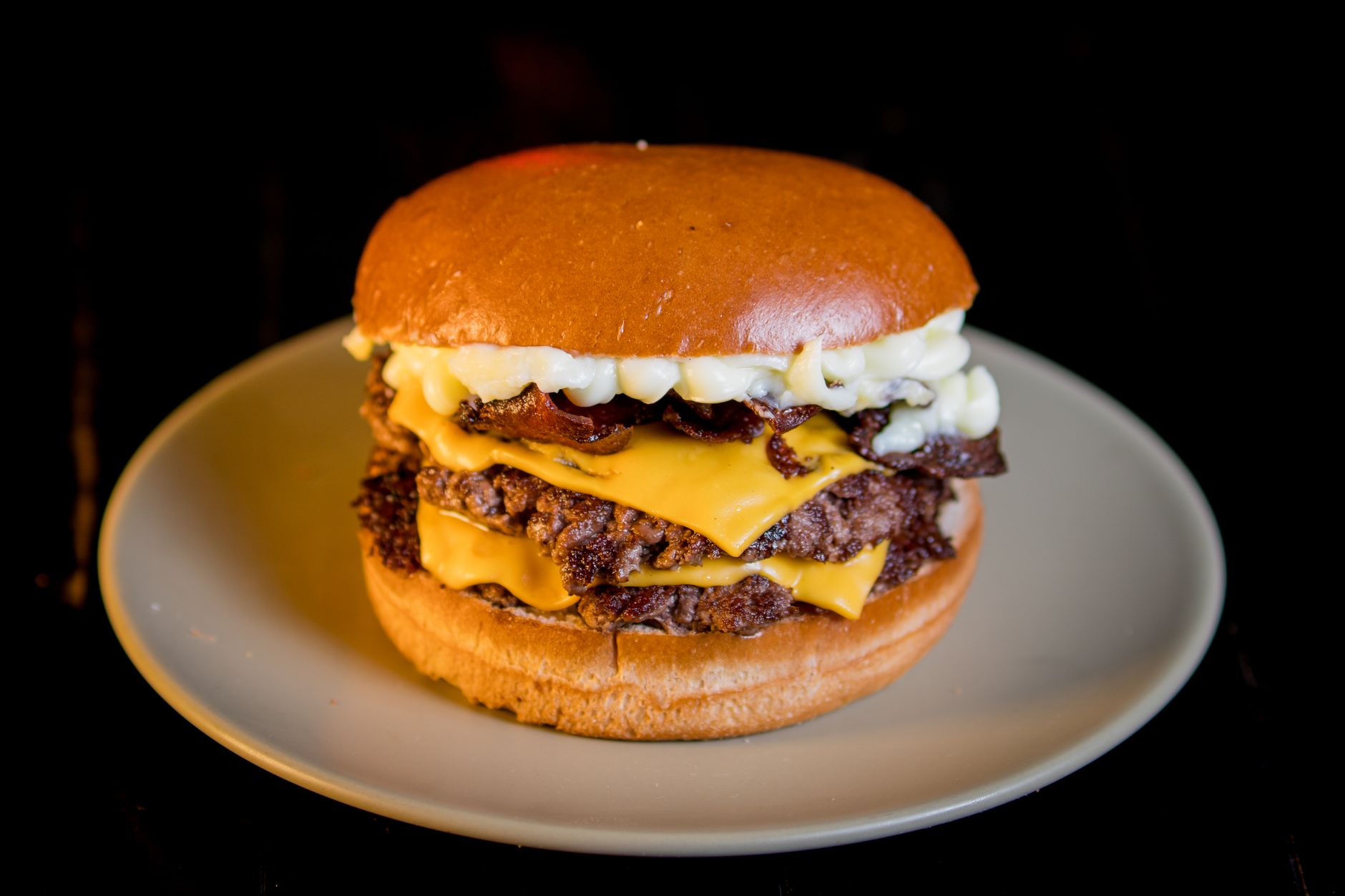
The Big Mac is one of the most iconic fast-food items in the world, beloved for its unique combination of flavors and textures. With its two beef patties, special sauce, lettuce, cheese, pickles, and onions on a sesame seed bun, it has become a staple for many. However, if you’re watching your calorie intake, you may be curious about how many calories are in a Big Mac.
A standard Big Mac contains approximately 550 calories. However, the total calorie count can vary based on location, portion size, and specific customizations made to the burger. Understanding the nutritional content of a Big Mac is essential for making informed dietary choices. In this article, we’ll explore the caloric breakdown, nutritional values, and some helpful tips for enjoying a Big Mac while maintaining a balanced diet.
How Many Calories Are In A Big Mac?
A typical Big Mac contains around 550 calories. This figure represents the average calorie count, but it can vary slightly depending on factors such as serving size and preparation methods. Additionally, if you add extra toppings or modify the burger, the calorie count will change accordingly.
Nutritional Breakdown of a Big Mac
To provide a clearer picture of what you’re consuming when you enjoy a Big Mac, let’s break down its nutritional components:
- Calories: Approximately 550
- Protein: 25 grams
- Total Fat: 30 grams
- Saturated Fat: 10 grams
- Trans Fat: 1 gram
- Cholesterol: 80 mg
- Sodium: 950 mg
- Total Carbohydrates: 47 grams
- Dietary Fiber: 3 grams
- Sugars: 9 grams
As you can see, a Big Mac offers a source of protein but also includes a significant amount of fat and sodium. Understanding these elements can help you decide how it fits into your dietary goals.
Caloric Comparison with Other Fast Food Items
When considering a Big Mac, it can be helpful to compare its calorie content with other popular fast-food items. Here’s a brief overview of similar options:
| Food Item | Calories |
|---|---|
| Quarter Pounder with Cheese (McDonald’s) | 780 |
| Whopper (Burger King) | 657 |
| Double Cheeseburger (McDonald’s) | 450 |
| Regular Cheeseburger (McDonald’s) | 300 |
From this comparison, it’s evident that the Big Mac sits in the middle range when it comes to calorie content among popular fast-food burgers.
Factors Influencing the Caloric Content
Size and Customization
The calorie count for a Big Mac may vary if you opt for larger sizes or make modifications. For instance, if you add extra patties or cheese, the calorie count will increase. Likewise, removing certain ingredients could lower the overall calorie content.
Regional Variations
In different countries, the Big Mac may have variations in ingredients or preparation methods, leading to differences in calorie count. For instance, some locations may use different sauces or condiments that could alter the nutritional profile.
Is a Big Mac Healthier Than Other Options?
When considering a Big Mac, it’s essential to evaluate it against other fast food items and your dietary preferences. While it does contain protein and fiber, it also has high amounts of saturated fat and sodium, which may not align with everyone’s health goals.
Some might argue that a Big Mac is better than other items on the menu that are fried or contain additional sauces. However, if you’re searching for healthier meal options, choosing grilled items or salads without heavy dressings may be wiser.
Making the Most of Your Big Mac Experience
If you choose to indulge in a Big Mac while being mindful of your overall dietary intake, here are some tips to help you enjoy it responsibly:
- Pair with Healthier Sides: Consider selecting healthier sides like apple slices or a side salad instead of fries to balance out your meal.
- Share with a Friend: If you’re dining with someone else, consider splitting a Big Mac to reduce your caloric intake.
- Watch Your Beverage Choice: Avoid high-calorie beverages like soda; opting for water or unsweetened tea can help manage overall calories.
How to Balance a Big Mac in Your Diet
While it’s okay to treat yourself to a Big Mac occasionally, integrating it thoughtfully into your diet helps maintain a balanced approach. Here are some strategies to consider:
Track Your Weekly Intake
Keeping a food journal or using an app to track your calorie intake can help you understand how a Big Mac fits into your daily nutritional goals. It’s all about moderation and making room for indulgences.
Exercise Considerations
Incorporating physical activity into your routine can offset some of the calories consumed from a Big Mac. Aim to exercise regularly, whether through cardio, strength training, or enjoyable activities like walking or dancing.
Mindful Eating
When enjoying a Big Mac, focus on the experience. Take your time, savor each bite, and pay attention to how you feel. This practice can help you enjoy the meal without overindulging.
Alternatives and Similar Options
If you’re looking for something similar but with a lower calorie count, consider other offerings from McDonald’s or other fast-food chains:
- McChicken: This sandwich features a crispy chicken patty without the heavy sauces and typically contains fewer calories.
- Salads: Many fast-food places offer salads that can provide flavor without as many calories when topped with light dressings.
- Grilled Chicken Sandwiches: These are typically lower in calories and fat than beef burgers.
Final Thoughts on Enjoying a Big Mac
The Big Mac is a classic option for many fast-food lovers, but being aware of its caloric content helps inform your dietary choices. With approximately 550 calories, it’s crucial to balance this indulgence within your overall eating plan.
Remember, it’s not just about the calories; it’s about making informed decisions that align with your health and wellness goals. Enjoying beloved foods is part of a balanced lifestyle, so indulge mindfully and savor the experience.
For those interested in more information about food pairings or calorie counts in other dishes, explore guides such as what to serve with mac and cheese or learn how many calories are in pho.