
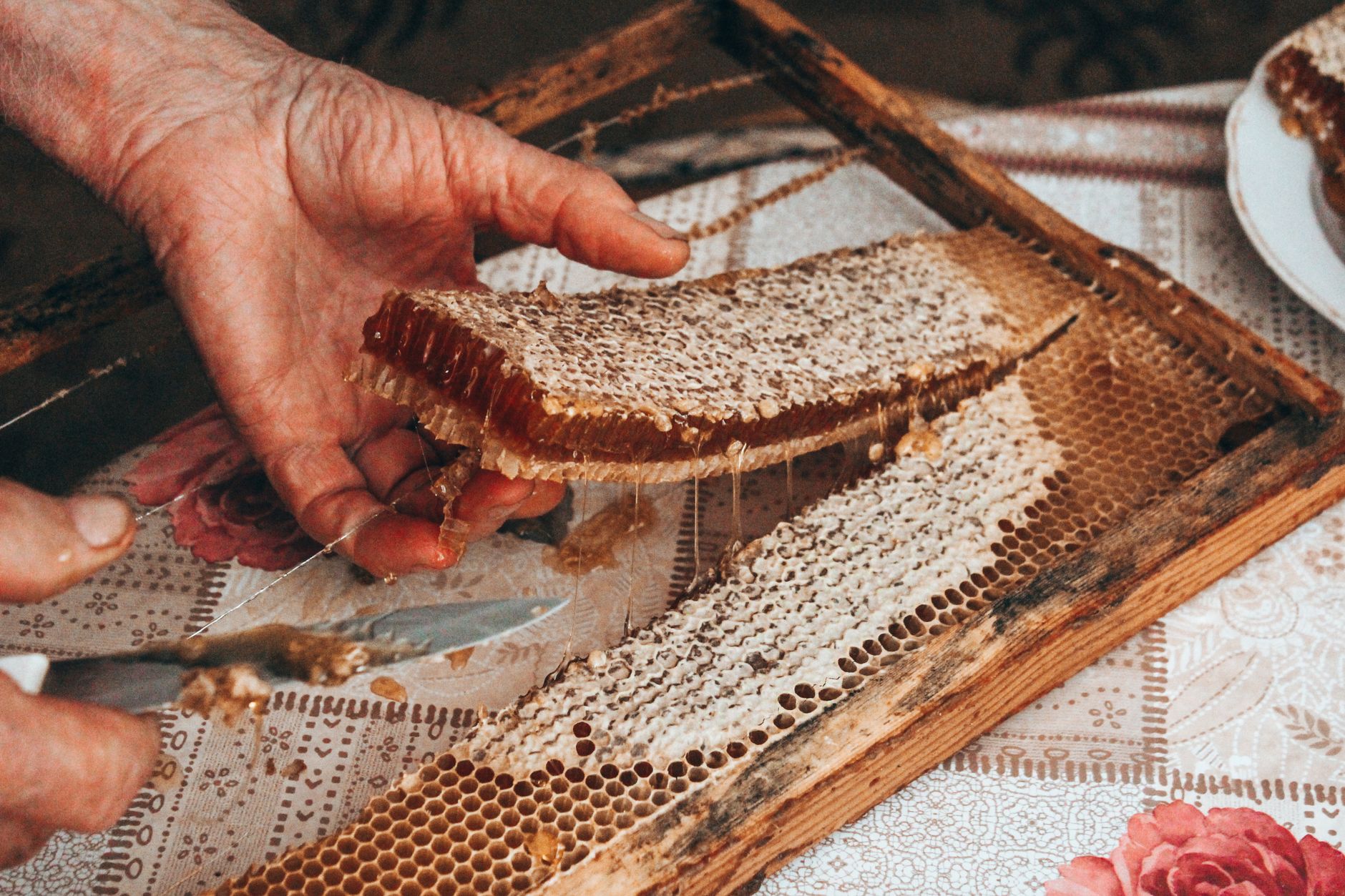
Beeswax is a natural substance produced by honeybees that has been used for various purposes, including candle making, cosmetics, and food preservation. But many people wonder: is beeswax edible? Understanding the properties and uses of beeswax can help you determine if it belongs in your kitchen or pantry.
While beeswax is not a food in the traditional sense, it is safe for consumption in small amounts. However, its culinary uses are limited and should be approached with care. This article will explore the properties of beeswax, its safety as a food product, and how it may be used in cooking and food preparation.
What is Beeswax?
Beeswax is a natural wax secreted by worker honeybees from special glands on their abdomens. When combined with pollen and honey, beeswax forms the structure of honeycomb cells where bees store honey and rear their larvae. The wax provides a protective coating, maintaining moisture and preventing spoilage.
Pure beeswax has a distinctive yellow color (though it can also be white if filtered and processed) and is known for its sweet, honey-like aroma. It is rich in fatty acids and esters, making it a versatile ingredient in various products.
Is Beeswax Edible?
Yes, beeswax is technically edible and can be consumed in small quantities. It is often used as a food additive, specifically as a coating or glaze on certain fruits, candies, and cheeses to preserve freshness and prevent moisture loss.
However, due to its high density and solid consistency, beeswax is not something you would eat in large amounts or as a main ingredient. Most people consume beeswax unknowingly through foods that contain it as an additive.
Safety and Consumption of Beeswax
Beeswax is generally considered safe for human consumption. It is non-toxic and hypoallergenic, with a long history of safe use in various products. Here are some key points regarding its safety:
- Beeswax is recognized by the FDA as safe for food use.
- Many people consume beeswax when they eat honeycomb, which includes small pieces of beeswax.
- Those with allergies to bee products should consult a healthcare provider before consuming beeswax to avoid potential adverse reactions.
Culinary Uses of Beeswax
Despite being edible, beeswax has limited culinary applications. Below are some common ways it is used in cooking or food preparation:
1. Beeswax Coating
Beeswax is commonly used as a natural coating for preserving fruits and vegetables. It acts as a barrier to moisture and air, helping to prolong shelf life. Some chefs and home cooks use a mixture of beeswax and food-safe oils to create a natural food wrap.
2. Confectionery
In confectionery, beeswax can be used to coat chocolates and candies. It helps create a shiny surface, preventing them from sticking together and enhancing their overall appearance. However, the amount should be minimal to avoid altering the flavor.
3. Cheese Preservation
Some types of cheese, particularly artisan or aged varieties, are wrapped in beeswax to retain moisture and flavor. The wax not only preserves the cheese but also protects it from mold and spoilage.
4. Homemade Candles and Skincare Products
Though this may not directly relate to eating, homemade candles and skincare products often incorporate beeswax due to its emollient properties. If you eat food that has beeswax as an ingredient, it’s essential that the beeswax is food-grade and safe for consumption.
How to Use Beeswax in Cooking
If you intend to incorporate beeswax into your cooking or food preservation, here’s how to do it safely and practically:
Beeswax Wraps
Making beeswax wraps is a popular method to use beeswax in the kitchen. These wraps can replace plastic wrap for food storage:
- Gather your materials: You will need cotton fabric, beeswax pellets, a double boiler for melting, and parchment paper.
- Prepare the fabric: Cut the cotton fabric into desired sizes. The fabric should be 100% cotton for food safety.
- Melt the beeswax: In a double boiler, melt the beeswax until it is completely liquid.
- Coat the fabric: Place the fabric on a sheet of parchment paper and drizzle the melted beeswax over it evenly. Use a brush or your hands (with gloves) to spread the beeswax across the fabric.
- Heat the fabric: Place another piece of parchment paper over it and press lightly with an iron on a low setting to help the wax adhere.
- Cool and store: Let the wraps cool before use. Store them in a cool, dry place.
Infusing Beeswax in Foods
If you want to try infusing beeswax into foods, you should follow these guidelines:
- Melt carefully: Always melt beeswax using a double boiler to control the temperature. Direct heat may cause it to overheat or smoke.
- Mix in small amounts: Use a small amount of melted beeswax when coating certain foods, such as fruits or nuts. Start with approximately 1 teaspoon for a batch of food.
- Cool properly: Once coated, allow the food to cool at room temperature before refrigerating or consuming.
Practical Alternatives to Beeswax
For those who may want to avoid using beeswax or are looking for substitutes, consider these alternatives:
- Candelilla Wax: A plant-based wax that can be used in similar applications as beeswax.
- Carnauba Wax: Another vegan-friendly wax derived from palm leaves, often used in confectionery.
- Paraffin Wax: A petroleum-based wax that can be used but may not be preferred due to health concerns.
Common Mistakes When Using Beeswax
When working with beeswax, it’s helpful to know common pitfalls and how to avoid them:
- Not selecting food-grade beeswax: Ensure any beeswax you buy for culinary use is food-grade.
- Using too much: A little goes a long way with beeswax. Too much can alter the flavor and texture of the food.
- Ignoring melt temperature: Overheating beeswax can lead to burning or spoilage.
Storage and Handling of Beeswax
To ensure your beeswax remains usable and safe, follow these guidelines:
- Store in a cool, dark place: Keep beeswax in an airtight container to prevent moisture and contaminants.
- Avoid strong odors: Wax can absorb odors, so keep it away from strong smells when stored.
- Check for purity: Before using, check for any signs of impurities, such as discoloration or foreign particles.
Conclusion
Beeswax is indeed edible and can serve several practical roles in food preparation and preservation. While it isn’t a staple ingredient for cooking, it can enhance the quality of preserved foods and serve unique purposes in the culinary world. Understanding how to use and handle beeswax safely allows you to incorporate its benefits while minimizing potential risks.
For those interested in using beeswax in their homemade food endeavors, consider experimenting with natural beeswax wraps or figuring out how to incorporate it into your favorite candies or cheesemaking projects. Happy cooking!
If you’re looking to expand your knowledge on food preservation, consider exploring more about food storage techniques, homemade preserves, or natural food wraps to enhance your culinary skills.