
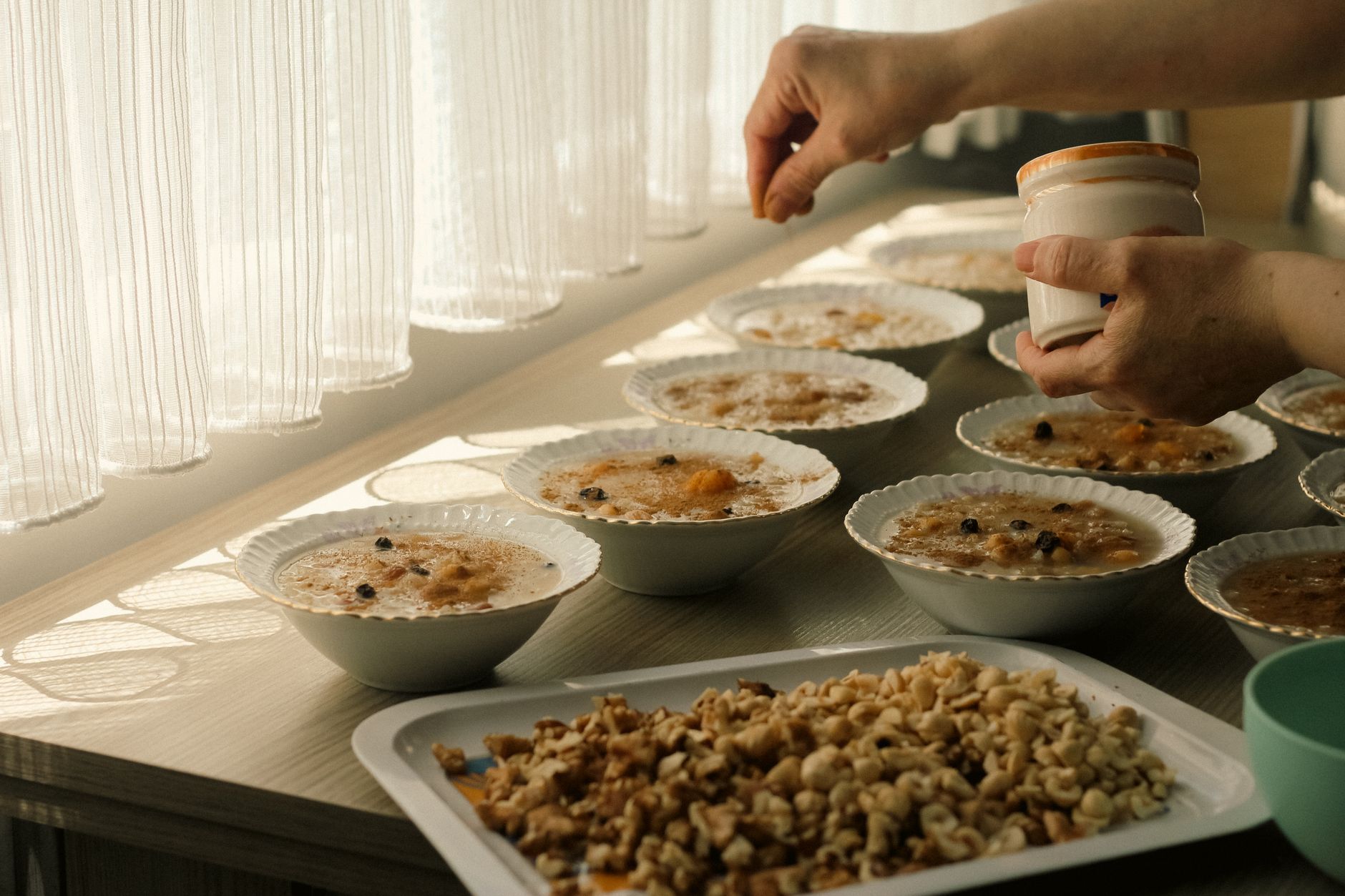
Oatmeal is more than just a comforting breakfast staple; it’s a versatile ingredient that can enhance a myriad of dishes, from savory to sweet. Understanding what oatmeal is good for can help you incorporate this nutritious grain into your meals more creatively.
From its health benefits to its culinary uses, oatmeal serves as a fantastic base for various recipes and a helpful addition to many cooking techniques. Let’s explore the many ways oatmeal can benefit your diet and kitchen.
What Is Oatmeal Good For?
Oatmeal is good for providing a wealth of nutritional benefits, promoting heart health, aiding digestion, and serving as a versatile cooking ingredient. Its high fiber content helps maintain stable blood sugar levels, making it an excellent choice for those looking to improve their overall health.
Nutritional Benefits of Oatmeal
Oatmeal is lauded for its impressive nutritional profile, making it an excellent addition to a balanced diet. Here are some key benefits:
- Rich in Fiber: Oatmeal contains soluble fiber, particularly beta-glucan, which helps lower cholesterol levels and improve heart health.
- Supports Digestion: The fiber in oatmeal aids in digestion, promoting regular bowel movements and preventing constipation.
- Helps with Weight Management: Its high fiber content can promote feelings of fullness, helping to control appetite and reduce overeating.
- Stabilizes Blood Sugar Levels: Oatmeal’s low glycemic index means it can help regulate blood sugar levels, making it a favorable option for those with diabetes.
- Nutrient-Dense: Oats are a good source of vitamins and minerals, including magnesium, iron, B-vitamins, and antioxidants.
- Protein Content: While not as high in protein as some other grains, oatmeal still provides a decent amount of this necessary macronutrient, especially when paired with other protein sources.
Culinary Uses of Oatmeal
Oatmeal’s versatility extends beyond traditional breakfast bowls. Here are various ways to incorporate oatmeal into your meals:
1. Breakfast Options
Oatmeal is typically enjoyed as a warm breakfast dish, but there are countless variations you can try:
- Classic Oatmeal: Cook rolled oats with water or milk, then top with fruits, nuts, or sweeteners like honey or maple syrup.
- Overnight Oats: Combine oats with milk or yogurt and let them soak overnight for a quick, on-the-go breakfast option.
- Oatmeal Smoothies: Blend oats into your smoothies for added nutrition and creaminess.
2. Baking with Oatmeal
Oatmeal can enhance baked goods, adding texture and flavor:
- Cookies: Incorporate oatmeal into cookies, such as oatmeal raisin or oatmeal chocolate chip.
- Breads: Use oats in bread recipes for added moisture and nutrition or as a topping for crusty loaves.
- Muffins: Oatmeal makes a great addition to muffin recipes, providing a hearty texture.
3. Savory Dishes
Don’t overlook oatmeal in savory dishes:
- Oatmeal Bowls: Create a savory bowl with cooked oats, topped with sautéed vegetables, a fried egg, and seasonings.
- Meatloaf or Burgers: Use oatmeal as a binder in meatloaf or meat patties. Alternatively, use it in vegetarian burgers for added texture.
- Soups and Stews: Add oats to soups or stews to thicken them and increase nutritional value.
4. Snack Options
Oatmeal also makes an excellent base for various snacks:
- Granola Bars: Make homemade granola bars using oats, nuts, honey, and dried fruits for a nutritious snack.
- Energy Bites: Blend oats with nut butter and sweets to create energy bites that are perfect for a quick energy boost.
- Oatmeal Pancakes: Use blended oats as a base for pancake batter for a healthy twist.
How to Prepare Oatmeal
Cooking oatmeal can vary based on the type of oats you choose. Here’s a breakdown of popular oat varieties and tips on how to prepare them:
1. Types of Oats
- Instant Oats: Quick and easy, instant oats are pre-cooked and just need hot water or milk. They will yield a softer texture.
- Rolled Oats: Rolled oats are steamed and then rolled flat, offering a chewy texture. They take about 5 minutes to cook.
- Steel-Cut Oats: These are whole oats that are chopped rather than rolled. They take longer to cook, about 20-30 minutes, but provide a heartier texture.
- Whole Oat Groats: The least processed form of oats, requiring the longest cooking time (up to an hour) and providing a chewy texture.
2. Basic Cooking Method
The basic method of cooking oatmeal is straightforward:
- Choose your oat type and measure a portion (usually 1/2 cup per serving).
- Combine oats with water or milk in a saucepan. A typical ratio is 2:1 (liquid to oats) for rolled and instant oats, while steel-cut oats require a 4:1 ratio.
- Bring to a boil, then reduce heat and simmer, stirring occasionally until desired consistency is reached.
- If desired, add flavorings like salt, cinnamon, or vanilla while cooking.
- Once cooked, remove from heat and let stand for a few minutes before serving.
3. Common Mistakes to Avoid
To ensure your oatmeal turns out perfectly, keep these tips in mind:
- Don’t skip rinsing steel-cut oats to remove excess starch.
- Keep stirring to prevent sticking or burning.
- Adjust liquid levels based on your desired thickness; add more for creamier oatmeal.
Oatmeal Substitutions and Variations
Oatmeal can easily be adapted for different dietary preferences and restrictions. Here are some practical substitutions and variations:
1. Dietary Variations
- Gluten-Free: Select certified gluten-free oats to prevent cross-contamination if you have gluten sensitivity.
- Vegan: Use plant-based milk, like almond or soy, in place of dairy milk when preparing oatmeal.
- Protein Boost: Stir in protein powder, Greek yogurt, or nut butter for a higher protein breakfast.
2. Ingredient Substitutions
- Milk Alternatives: Replace cow’s milk with nut milk, coconut milk, or oat milk for a similar creamy consistency.
- Sweeteners: Use maple syrup, honey, agave nectar, or fruit purees instead of refined sugar.
- Toppings: Substitute fresh fruit with frozen or dried fruits, nuts, or seeds based on seasonal availability.
Storage and Shelf Life of Oatmeal
Understanding how to store oatmeal can help you maximize its freshness and nutritional benefits:
1. Uncooked Oats
Uncooked oats can last up to 12 months when stored in a cool, dry place in an airtight container. If kept away from sunlight and moisture, they maintain their quality for a longer time.
2. Cooked Oatmeal
Once cooked, oatmeal can be stored in the refrigerator in a sealed container for up to five days. To reheat, add a splash of liquid to restore creaminess and heat gently.
3. Freezing Oatmeal
Cooked oatmeal can also be frozen in portioned containers. It will retain quality for up to three months. Thaw in the refrigerator overnight before reheating.
Common Uses for Oatmeal Beyond Breakfast
While oatmeal is traditionally seen as a breakfast dish, its uses extend far beyond that. Here are some creative ways to incorporate oats into other meals:
1. Oatmeal in Savory Dishes
Oats can add flavor and texture to savory dishes:
- Oat-Crusted Fish or Chicken: Use crushed oats as a breading alternative for proteins.
- Oat Risotto: Use steel-cut oats instead of arborio rice for a creamy risotto-like dish.
- Stuffed Peppers: Mix cooked oats with beans, vegetables, and seasonings to fill peppers.
2. Oatmeal in Snacks and Desserts
Oatmeal is an excellent ingredient for snacks and desserts, too:
- Oatmeal Crumble: Incorporate oats into your dessert crumbles, such as apple or berry crisp, for added texture.
- Homemade Oat Milk: Blend oats with water for a creamy non-dairy milk alternative.
- Oat Meal Bars: Create goodness bars by mixing oats, nuts, and dried fruits for a portable snack.
Conclusion
Oatmeal is incredibly versatile, providing numerous health benefits while being a flexible ingredient for a variety of meals. From warming breakfast bowls to delightful baked goods and savory dishes, oats can genuinely enhance your diet. Their appeal spans generations, making them a staple in kitchens worldwide.
To get started with oatmeal today, consider making a hearty bowl of overnight oats or venturing into savory oatmeal dishes to bring something new to your meals. For further inspiration, explore our recipes for chia pudding or try your hand at our delicious oatmeal cream pie recipe.