
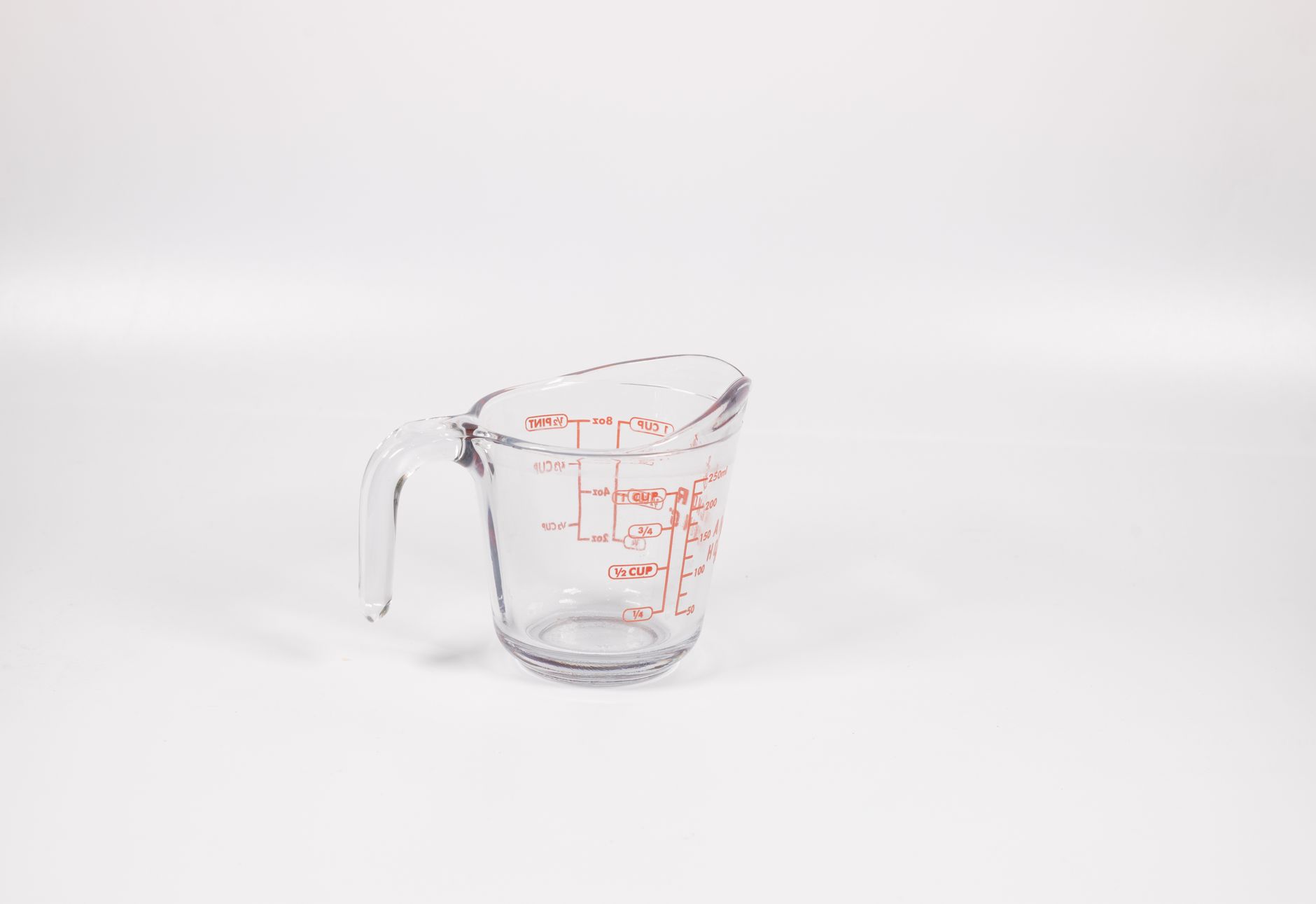
Understanding measurements in cooking is essential for achieving the right balance of flavors and textures. One common question that often arises is, “How many tablespoons are in one cup?” This knowledge is particularly useful whether you are following a recipe or adjusting ingredient quantities based on what you have at home.
The answer is straightforward: there are 16 tablespoons in one cup. This information can make a significant difference in cooking, baking, and meal prep, helping to streamline your kitchen experience.
How Many Tablespoons Are In One Cup?
In the United States, one cup equals 16 tablespoons. This conversion is vital for recipes that require precise measurements. Proper measuring ensures that your dishes achieve the desired taste and texture, especially in baking, where accuracy is crucial.
Understanding the Importance of Accurate Measurements
When cooking or baking, precise measurements can determine the outcome of a recipe. Ingredients like flour, sugar, and butter must be measured accurately, as even slight variations can affect the final product. Here are some key points to remember:
- Baking Requires Precision: Baking is a science, and mismeasuring can lead to dense cakes or cookies that don’t rise.
- Cooking Is More Flexible: While cooking allows for some improvisation, accurate measurements still help in achieving consistent flavors.
- Ingredient Interactions: The way ingredients react when combined can change with measurement variations, especially in baking.
Practical Applications of the Cup to Tablespoon Conversion
Knowing that there are 16 tablespoons in a cup can streamline everything from meal prep to cooking. Here are some practical applications:
Baking
Baking recipes often list ingredients in cups and tablespoons. Here’s how the conversion plays a vital role:
- If a recipe calls for 1 cup of sugar but you only have a tablespoon measure, you can confidently calculate that you need 16 tablespoons of sugar.
- Adjusting recipes becomes easier when you know how to convert quickly. For instance, if you’re doubling a recipe requiring 1/4 cup of butter, you now know you need 4 tablespoons (since 1/4 of 16 tablespoons equals 4).
Cooking and Meal Preparation
In cooking, while some measurements may be less precise, using cups and tablespoons can help maintain consistent flavors:
- Your favorite sauce recipe might call for a cup of vegetable broth. If you’re trying to reduce the recipe size, knowing that a cup is 16 tablespoons allows quick adjustments.
- For marinades or dressings, using tablespoons for oil, vinegar, or spices can ensure a balanced flavor without the fuss of measuring cups.
Common Cooking Conversions Involving Cups and Tablespoons
When you’re in the kitchen, quick conversions can save time. Here’s a convenient reference for some common measurements:
| Measurement | Equivalent |
|---|---|
| 1 cup | 16 tablespoons |
| 1/2 cup | 8 tablespoons |
| 1/3 cup | 5 tablespoons + 1 teaspoon |
| 1/4 cup | 4 tablespoons |
| 1 tablespoon | 1/16 cup |
How to Measure Tablespoons and Cups Properly
Accurate measuring is vital for perfect results. Here’s how to measure both tablespoons and cups correctly:
Measuring Tablespoons
To measure a tablespoon accurately, follow these steps:
- Use a standard tablespoon measurement tool, ensuring that it is labeled for accuracy.
- Scoop the ingredient into the spoon without packing it down.
- Level off with a straight edge, like the back of a knife, to achieve the correct measurement.
Measuring Cups
For measuring cups, the technique varies slightly based on the ingredient:
- Dry Ingredients: Spoon the ingredient lightly into the cup, avoiding packing. Level off the top with a straight edge.
- Liquid Ingredients: Use a liquid measuring cup (the one with a spout), and pour until it reaches the desired marking, ensuring your eyes are level with the measurement line.
Common Mistakes in Measuring Ingredients
Understanding how to measure accurately can help avoid common pitfalls. Here are some frequent mistakes:
- Packing Dry Ingredients: Many people mistakenly pack flour or sugar into the measuring cup. This results in using more than intended.
- Eyeballing Measurements: Guessing amounts can lead to inconsistent results. Always use measuring tools.
- Using Different Measurement Types: Ensure you’re using volume measurements (cups) for liquid and dry ingredients, as weight measurements could yield different results.
Substitutions and Alternatives
Sometimes you may not have a cup or tablespoon handy. Here are alternatives that can help:
Using Kitchen Tools
If you don’t have measuring spoons or cups, consider using:
- Regular Spoon: A standard teaspoon holds about 5 mL, while a tablespoon typically holds about 15 mL (or 3 teaspoons).
- Glass or Plastic Containers: A typical coffee cup often measures approximately 1 cup. Just ensure consistency in measurement.
Ingredient Substitutions
In certain situations, certain ingredients can be substituted. However, remember that ratios might differ:
- Liquid for Liquid: If you need to substitute one liquid for another (like water for broth), you can maintain the same volume—1 cup for 1 cup, or 16 tablespoons for 16 tablespoons.
- Dry Ingredients: For dry ingredients like flour and sugar, use the same measurement for substitutes, but note that flavor and texture may vary.
Conversion for Other Measurements
Besides tablespoons and cups, understanding measurements for larger or smaller quantities can be beneficial. Here’s a breakdown of other conversions:
| Measurement Type | Conversion Equivalent |
|---|---|
| 1 cup | 48 teaspoons |
| 1 quart | 4 cups or 64 tablespoons |
| 1 pint | 2 cups or 32 tablespoons |
| 1 gallon | 16 cups or 256 tablespoons |
Using Technology for Measurements
In today’s technologically advanced world, you can also rely on applications or websites that provide instant conversions. These can be particularly handy when you’re trying to adjust recipes on the fly.
- Smartphone Apps: Numerous cooking apps can convert measurements instantly. Just input the measurement, and the app does the rest!
- Online Calculators: Websites like conversion calculators can provide straightforward conversions without any mental math.
Meal Planning with Accurate Measurements
Accurate measurements play a crucial role in meal planning, allowing for consistent meals and portion control.
Creating Balanced Meals
Using the cup to tablespoons conversion can help ensure that you balance various components of a meal:
- When preparing a recipe that includes grains like rice or quinoa and vegetables, use a combination of cup and tablespoon measurements to maintain portion sizes.
- Beverages and dressings can also benefit from precise measurements, ensuring that flavors complement the meal.
Batch Cooking
Accurate measurements enable batch cooking, where preparing several meals at once saves time:
- When preparing sauces or marinades, ensure to multiply ingredient quantities based on your batch size, using the cup and tablespoon calculations.
- This efficiency means more meals can be enjoyed throughout the week, saving time and preventing meal fatigue.
Conclusion
Understanding how many tablespoons are in one cup—16—simplifies cooking and baking significantly. It aids in ensuring the accuracy and consistency of flavors, especially when following recipes that require precision.
For effective meal prep, cooking, and baking, mastering measurements allows you to create delicious dishes without second-guessing your quantities. The next time you’re in the kitchen, remember the vital role this simple conversion plays to make your cooking experience seamless.
Explore additional tips on cooking fundamentals such as the difference between bleached and unbleached flour or check out our guidance on rice water ratios to sharpen your culinary skills!