
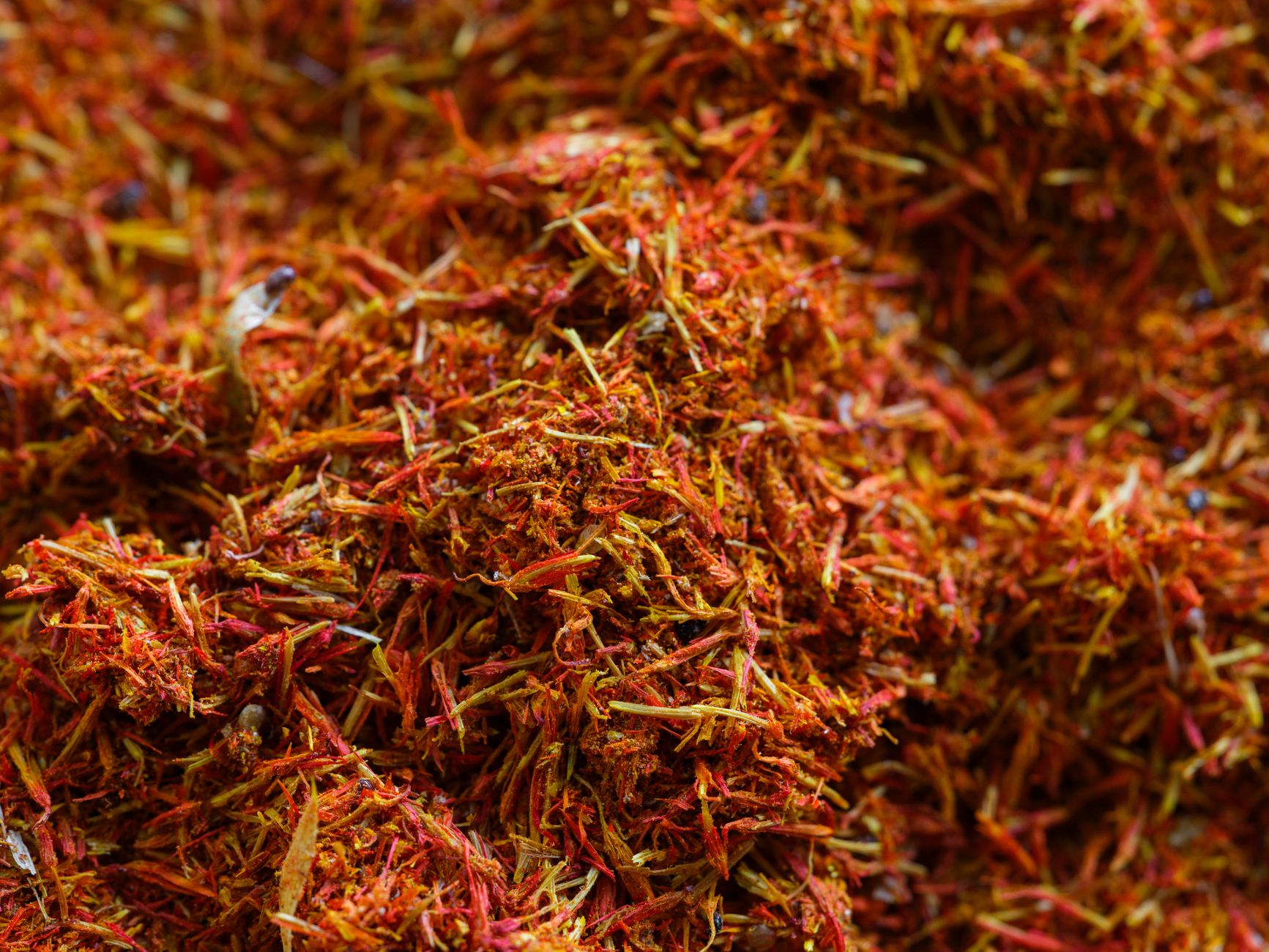
Saffron, a vibrant red spice derived from the flower of Crocus sativus, has been revered for centuries not only for its unique flavor and color contributions but also for its potential health benefits. As the most expensive spice in the world, saffron is often questioned for its value, especially in terms of its nutritional properties and health implications.
This article delves into the numerous advantages of incorporating saffron into your diet, its culinary uses, potential side effects, and practical tips for selecting and storing this exquisite spice.
Is Saffron Good For You?
Yes, saffron can be beneficial for you when consumed in moderation. It is rich in antioxidants, may improve mood, and has been linked to potential health benefits such as enhancing memory and reducing symptoms of PMS. However, it’s essential to consider the quality and dosage of saffron.
The Nutritional Profile of Saffron
Understanding the nutritional aspects of saffron is crucial in recognizing its potential health benefits. Saffron contains a variety of vitamins, minerals, and bioactive compounds, including:
- Vitamin C: An antioxidant that boosts the immune system.
- Vitamin B6: Important for brain health and hormone regulation.
- Potassium: Aids in maintaining blood pressure levels.
- Iron: Essential for oxygen transport in the blood.
- Carotenoids: Compounds that have antioxidant properties, including zeaxanthin and lycopene.
Additionally, saffron contains active compounds such as crocin and safranal, which are believed to contribute to its health effects.
Health Benefits of Saffron
Saffron has garnered attention for its multitude of potential health benefits. While individual responses may vary, research suggests several key advantages:
1. Antioxidant Properties
Antioxidants are vital for fighting oxidative stress and preventing cellular damage. Saffron’s high antioxidant content helps combat free radicals, leading to improved overall health. Studies have shown that these antioxidants can improve skin health and minimize signs of aging.
2. Mood Enhancement
Saffron has been shown to have mood-lifting properties. Research indicates that it may be effective in treating mild to moderate depression. The compounds in saffron, particularly safranal, are thought to interact with neurotransmitters such as serotonin, improving mood and emotional wellbeing.
3. PMS Relief
Women experiencing premenstrual syndrome (PMS) may find relief through saffron. Clinical studies suggest that it can help alleviate PMS symptoms, such as cramps and mood swings, offering a natural remedy during menstruation.
4. Memory Improvement
Some research points to saffron’s potential benefits for cognitive function. It may enhance memory and learning abilities, making it a valuable addition for individuals looking to boost brain health, particularly in older adults.
5. Anti-inflammatory Effects
The anti-inflammatory properties of saffron may help reduce inflammation in the body, which is linked to various chronic diseases. Regular consumption could contribute to overall health and decreased risk of conditions such as heart disease.
Culinary Uses of Saffron
Aside from its health benefits, saffron is a versatile culinary ingredient. It lends a distinct flavor, vibrant color, and appealing aroma to numerous dishes:
- Rice Dishes: Incorporating saffron into rice dishes like paella or risotto enhances flavor and visual appeal.
- Soups and Stews: A pinch of saffron can elevate the richness of soups and stews.
- Desserts: Saffron is commonly used in sweets like saffron-infused rice pudding or cakes in various cultures.
- Drinks: Saffron can be added to teas, lattes, or even cocktails for an exotic twist.
How to Incorporate Saffron into Your Dishes
To maximize saffron’s flavor and health benefits, proper incorporation into your cooking is essential:
- Soak saffron threads in a small amount of warm water, stock, or milk for 10-15 minutes before adding it to your dish. This helps to release its flavor and color.
- Use saffron sparingly; a little goes a long way. Generally, a pinch (about 0.5 to 1 gram) is sufficient for most recipes.
- Pair saffron with complementary flavors such as garlic, lemon, and nutmeg to enhance its profile.
Choosing Quality Saffron
When it comes to saffron, quality matters. Here are tips for selecting high-quality saffron:
- Origin: Look for saffron from well-known regions such as Iran, Spain, or India, as they are reputed for producing superior saffron.
- Appearance: High-quality saffron threads should be deep red with golden-yellow tips. Avoid yellow or white threads as these may indicate lower quality.
- Fragrance: Premium saffron should have a rich, earthy scent with floral notes. A lack of aroma could indicate inferior quality.
- Price: Remember that saffron is expensive. If a price seems too good to be true, it’s likely a lower quality or adulterated product.
Storing Saffron
Proper storage can help retain saffron’s flavor and potency:
- Store saffron in an airtight container to protect it from moisture and light.
- Keep it in a cool, dark place away from direct sunlight, ideally in a pantry or cupboard.
- When stored correctly, saffron can last for several years, but it is best used within 1-2 years for optimum flavor.
Potential Side Effects of Saffron
While saffron is generally safe for most people when used in culinary amounts, excessive consumption can lead to some side effects:
- Nausea and Vomiting: Large doses can upset the stomach.
- Allergic Reactions: Some individuals may experience an allergic reaction, manifesting as skin irritations.
- Interactions with Medications: Saffron may interact with certain medications, such as blood thinners. Consult a healthcare professional if you are on medication.
- Pregnancy Concerns: Pregnant women should be cautious, as larger doses may induce contractions.
How Much Saffron Should You Consume?
Moderation is key when incorporating saffron into your diet. A common recommendation is around 30 mg per day, which can be reached with just a few strands. This amount is generally considered safe and beneficial for health without risk of adverse effects.
Practical Substitutions for Saffron
If saffron is unavailable or your budget doesn’t allow it, here are some possible substitutes along with their effects on flavor and color:
- Turmeric: Provides a similar yellow hue but lacks the distinct flavor of saffron. Use 1/4 teaspoon to replace a pinch of saffron.
- Annatto: Another color substitute, it has a slightly earthy taste. Use sparingly to replicate saffron’s color.
- Cardamom: Although not a direct color substitute, it offers a unique flavor that complements saffron-based dishes. Pair with turmeric for color.
Common Mistakes When Using Saffron
To make the most of saffron in your cooking, avoid these common pitfalls:
- Overheating: Saffron can lose its flavor and potency when exposed to high heat. Add it towards the end of cooking or soak before use.
- Using too much: A little saffron goes a long way. Using excessive amounts can overpower dishes.
- Not soaking: Skipping the soaking process can result in a less vibrant color and flavor.
Conclusion
Saffron is not only a luxurious ingredient that enhances dishes but also holds potential health benefits due to its antioxidant properties, mood enhancement, and more. Understanding how to incorporate it effectively can elevate your culinary endeavors while contributing positively to your health.
Next time you’re in the kitchen, consider adding saffron to your recipes for both flavor and its impressive health benefits. For more information on related spices, such as what saffron tastes like or the benefits of chia seeds, feel free to explore our other food guides.