
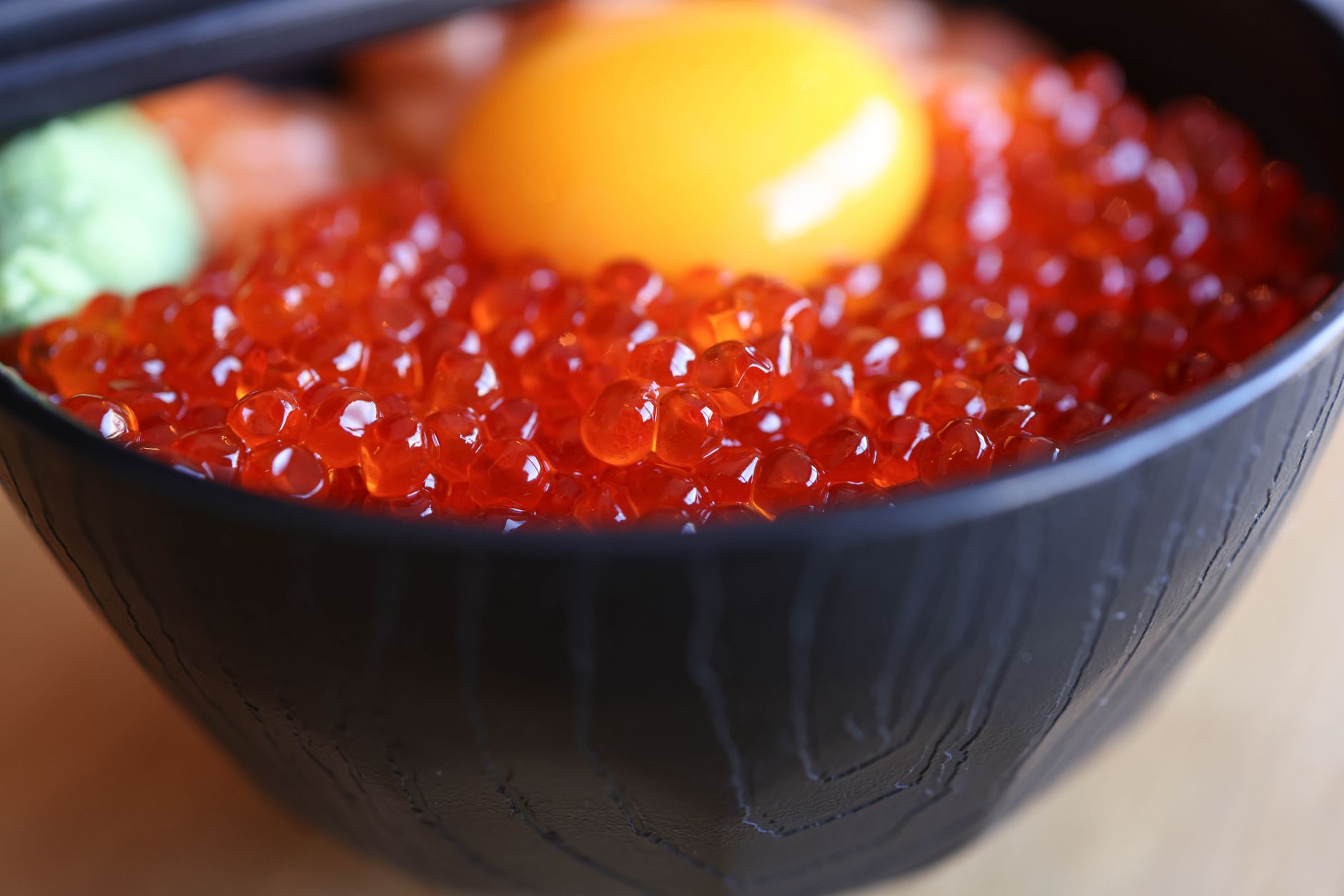
Fish roe, often referred to as fish eggs, is a culinary ingredient celebrated in various global cuisines. It can appear in multiple forms, from caviar to salmon roe, each offering unique flavors, textures, and culinary uses. Understanding fish roe can enhance your cooking repertoire and provide insight into its diverse applications.
This comprehensive guide explores different types of fish roe, its nutritional benefits, culinary uses, selection tips, preparation methods, and even potential substitutes. Whether you’re looking to enhance your gourmet dishes or simply curious about incorporating this ingredient into your meals, this article will provide valuable insights.
What Is Fish Roe?
Fish roe refers to the eggs produced by female fish, and it can vary significantly in flavor, color, and texture depending on the type of fish from which it comes. Roe can be found in both fresh and saltwater fish, and it is often harvested during spawning seasons when the eggs are most plentiful. Fish roe can appear as individual eggs or in clusters, and it can be consumed raw, cured, or cooked.
Types of Fish Roe
Fish roe is categorized into several types, each offering distinct flavors and culinary applications. Here’s a breakdown of the most commonly known types:
Caviar
Caviar is perhaps the most luxurious type of fish roe, derived specifically from sturgeon. The eggs are prized for their delicate texture and rich flavor. There are several varieties of caviar, including:
- Beluga: The largest eggs, known for their smooth, buttery flavor.
- Osetra: Medium-sized eggs that range in flavor from nutty to briny.
- Sevruga: The smallest caviar, recognized for its strong, robust flavor.
Salmon Roe
These bright orange eggs, also known as ikura, are often found in Japanese cuisine. Salmon roe has a slightly sweet, briny flavor and a firmer texture. It is commonly served on sushi or as a garnish for various dishes.
Tobiko
Tobiko refers to the roe of flying fish and is used extensively in sushi. The tiny, crunchy eggs are typically bright orange, but they can also appear in green, black, and red, often flavored with wasabi, squid ink, or other seasonings.
Masago
Masago consists of the roe from capelin fish and is often confused with tobiko. It is smaller, with a slightly less crisp texture, and is typically less expensive, making it a popular choice for sushi rolls.
Nutritional Benefits of Fish Roe
Fish roe is not only flavorful but also packed with nutritional benefits. It is a good source of essential nutrients, including:
- Omega-3 Fatty Acids: Known for their anti-inflammatory properties and benefits for heart health.
- Protein: An excellent source of high-quality protein, essential for muscle growth and repair.
- Vitamins: Fish roe contains vitamins A, D, and B12, which are crucial for various bodily functions.
- Minerals: It provides essential minerals like iron, selenium, and zinc, which support metabolism and immune function.
In moderation, fish roe can be a nutritious addition to a balanced diet, but due to its high sodium content, it’s wise to consume it sparingly.
Culinary Uses of Fish Roe
Fish roe can be used in numerous creative ways in the kitchen. Here are some popular applications:
As a Garnish
Fish roe can elevate the presentation and flavor of a dish. It is often used to garnish:
- Crackers or blinis with cream cheese and herbs.
- Eggs, such as deviled or scrambled, to add a pop of color and flavor.
- Salads, where it can add a rich, briny element.
In Sushi
Salmon roe (ikura), tobiko, and masago are staples in sushi-making. They can be used as:
- Fillings for sushi rolls.
- Toppings for nigiri.
- In sashimi presentations, adding both flavor and aesthetic appeal.
In Spreads
Roe can be blended into spreads or dips, offering a unique flavor profile. Consider using it in:
- Seafood pâtés.
- Creamy dips flavored with fresh herbs and spices.
In Pasta Dishes
Fish roe can enhance pasta dishes by adding a burst of flavor. Try incorporating it into:
- Creamy sauces for a luxurious touch.
- Seafood pasta dishes for additional umami.
Selecting and Storing Fish Roe
When purchasing fish roe, it’s essential to choose high-quality products for the best flavor and freshness. Here are some tips:
Choosing Quality Roe
- Look for eggs that are firm and glossy. They should not be sticky or mushy.
- Select roe that is packaged in airtight containers to prevent spoilage.
- Check for the harvest date to ensure freshness, especially for perishable varieties.
Storage Tips
Proper storage is crucial to maintain the quality of fish roe:
- Keep fish roe refrigerated at all times to prevent spoilage.
- Once opened, consume roe within a few days for optimal freshness.
- Consider freezing fish roe for longer storage, but be aware that the texture may change upon thawing.
Preparation Methods for Fish Roe
Fish roe can be enjoyed raw or cooked, depending on the type and the intended dish. Here are some common preparation methods:
Raw Preparation
When serving raw, roe can be presented on ice or as part of sushi and sashimi dishes.
- Ensure roe is kept very cold before serving to preserve its texture and flavor.
- Freshly prepared blinis or sushi rice can be an ideal base for serving roe.
Cured Preparation
Curing roe can enhance its flavor and shelf-life:
- Mix roe with salt and any additional flavorings (like lemon juice or herbs) and let it sit for several hours to deepen the flavor.
- Consider packing it into jars and refrigerating for later use.
Cooked Preparation
While many varieties of roe are often best enjoyed raw, certain dishes incorporate them cooked, especially in pasta sauces:
- Gently stir in roe at the end of cooking for delicate dishes to avoid overly cooking and breaking the eggs.
- Add fish roe to sauces over low heat, this allows the flavors to blend without compromising the texture.
Substitutes for Fish Roe
If fish roe is unavailable or if you’re looking to experiment with alternatives, there are substitutions that can offer a similar briny flavor and appealing texture:
Substitutes
- Seaweed: Ingredients like dulse or kelp can add a savory, briny flavor to dishes.
- Capers: These pickled flower buds provide a similar salty bite and can be used in spreads and dressings.
- Pickled Mustard Seeds: Offering a pop of flavor and texture, they can replace roe in various recipes.
Common Mistakes When Using Fish Roe
Cooking with fish roe can be rewarding but also challenging. Below are some common pitfalls and how to avoid them:
Overcooking Roe
Fish roe should generally be treated with care as it cooks quickly and can lose its texture. To avoid this,:
- Introduce roe at the end of the cooking process, using residual heat to warm it through.
- Keep heat low to avoid clumping and breaking the eggs.
Using Too Much Salt
Due to its naturally salty flavor, fish roe can become too overpowering if additional salt is added. Remember to:
- Taste as you cook and adjust seasonings gradually.
- Factor in any accompanying ingredients that might have their own salt content.
Serving Suggestions
Fish roe is versatile and can be served in various ways to enhance your dining experience:
Pairing with Beverages
- Champagne or sparkling wines complement the luxurious nature of caviar.
- Light white wines pair well with salmon roe due to their acidity and flavor profiles.
Suggested Pairings
When serving roe, consider these accompaniments:
- Thinly sliced blinis or crackers topped with sour cream.
- Chopped chives or dill to add fresh, herbal notes.
- Pickled vegetables to balance the richness of the roe.
Conclusion
Fish roe is a delicacy that offers not only a unique flavor but also numerous culinary applications. With this guide, you’ll be equipped with knowledge about different types of roe, its nutritional benefits, how to select and store it, and effective ways to incorporate it into your meals. Whether you are preparing a gourmet dish or a simple snack, fish roe can elevate your dining experience.
Explore ways to cook with unique ingredients by checking out our guides on fish cakes and try our easy lox recipe to further expand your culinary adventures.