
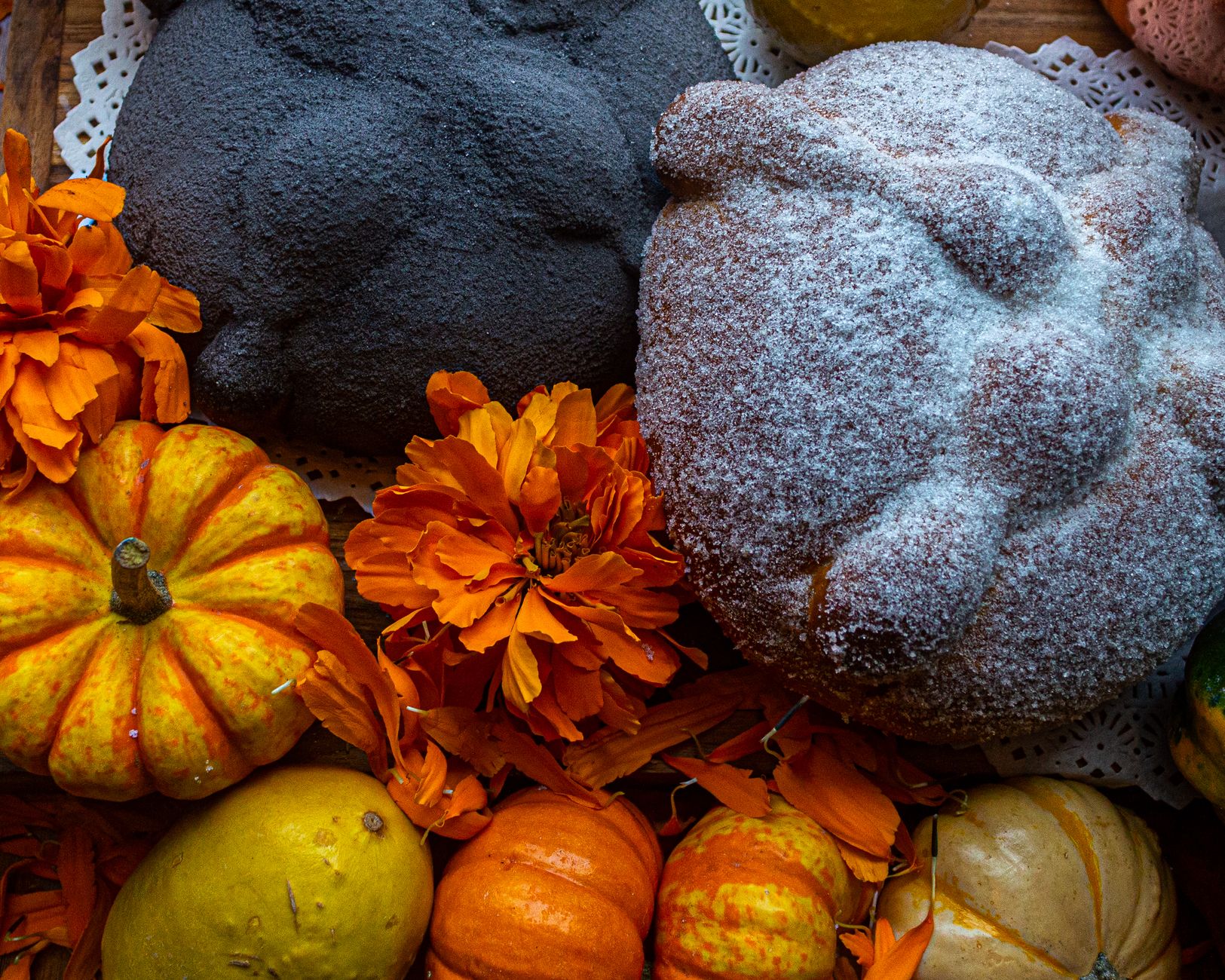
Pan de muerto is a traditional Mexican bread that holds deep cultural significance, particularly during the Día de los Muertos (Day of the Dead) celebrations. This sweet, often decorated bread symbolizes the cycle of life and death and is typically enjoyed with family and friends as they honor their deceased loved ones.
This article will explore what pan de muerto is, its ingredients, variations, preparation techniques, and storage tips, providing a comprehensive guide for those looking to experience this delightful bread.
What Is Pan De Muerto?
Pan de muerto, which translates to “bread of the dead,” is a soft, sweet bread traditionally shaped to represent the cycle of life and death. It’s often adorned with bone-shaped decorations, symbolizing the deceased. The bread’s flavor comes from a mixture of citrus, anise, and sugar, giving it a unique taste that pairs beautifully with hot chocolate or coffee.
The Cultural Significance of Pan De Muerto
Pan de muerto is not just a culinary creation; it is steeped in Mexican traditions. It is prepared during the Día de los Muertos, a celebration where families remember and honor their loved ones who have passed away. The bread is commonly placed on altars along with marigolds, candles, and photographs of the deceased, signifying the belief that the spirits return to visit the living during this time.
Each family may have their unique recipe, but the spirit of sharing and community remains constant. The bread is often enjoyed during gatherings, making it a staple during this festive period.
Ingredients in Pan De Muerto
The ingredients for pan de muerto are quite simple, yet they come together to create a deliciously aromatic bread. Here are the common ingredients:
- 4 cups all-purpose flour
- 1 cup milk (or a dairy-free alternative)
- 1/2 cup sugar
- 1/2 cup unsalted butter, softened
- 4 large eggs
- 2 1/4 teaspoons active dry yeast (or one packet)
- 1 teaspoon salt
- 2 teaspoons orange zest
- 1 teaspoon anise seeds (optional)
- 1/2 cup sugar (for sprinkling on top)
- 1 egg (for egg wash)
Understanding the Ingredients
Each ingredient contributes to the overall flavor and texture of the pan de muerto. Here’s a brief overview:
- Flour: Provides the structure and base of the bread.
- Milk: Adds moisture and richness.
- Sugar: Sweetens the bread and aids in browning.
- Butter: Contributes to the tender texture and rich flavor.
- Eggs: Bind the ingredients while adding moisture and richness.
- Yeast: Leavens the bread, providing that desired soft texture.
- Salt: Balances sweetness and enhances flavor.
- Orange zest: Infuses the bread with a fresh, citrusy aroma.
- Anise seeds: Provide a hint of traditional flavor; can be omitted if not preferred.
Variations of Pan De Muerto
While the traditional recipe holds a special place, there are various regional and modern adaptations of pan de muerto:
- Pansito: A smaller, individual-sized version often found in bakeries.
- Chocolate Pan de Muerto: Incorporating cocoa into the dough for chocolate lovers.
- Gluten-Free Options: Using gluten-free flour blends to accommodate dietary needs.
Essential Equipment for Making Pan De Muerto
To prepare pan de muerto, you will need the following equipment:
- Mixing bowls
- Measuring cups and spoons
- Wooden spoon or stand mixer
- Plastic wrap or a clean kitchen towel
- Baking sheet
- Parchment paper (optional)
- Wire rack for cooling
- Pastry brush (for egg wash)
Step-by-Step Method for Making Pan De Muerto
Making pan de muerto involves key stages, including mixing, kneading, proofing, and baking. Here is a detailed method to guide you:
- Activate the Yeast: In a small bowl, warm the milk to about 110°F (43°C). Sprinkle the yeast over the milk and let it sit for about 5-10 minutes until it becomes frothy.
- Prepare the Dough: In a large mixing bowl, combine the flour, sugar, salt, orange zest, and anise seeds. Make a well in the center and add the softened butter, eggs, and activated yeast mixture.
- Mixing: Using a wooden spoon or a stand mixer fitted with a dough hook, mix until a soft dough forms. If it’s too sticky, add a little more flour, one tablespoon at a time.
- Kneading: Turn the dough onto a lightly floured surface and knead for about 10 minutes until it becomes smooth and elastic. Alternatively, knead in the stand mixer for about 5 minutes.
- First Proof: Place the kneaded dough into a lightly greased bowl, cover it with plastic wrap or a kitchen towel, and let it rise in a warm area until it doubles in size, about 1-2 hours.
- Shaping the Bread: Once risen, punch down the dough to release the air. Reserve about 1/4 of the dough for decoration. Shape the larger portion into a round loaf and place it on a greased baking sheet.
- Forming the Decoration: Take the reserved dough, and roll it out into strips and small balls to create the traditional bone shapes and decorations on top of the loaf.
- Second Proof: Cover the shaped loaf loosely with a towel and let it rise for another hour until puffy.
- Preheat the Oven: Preheat your oven to 350°F (175°C) during the last 20 minutes of the rise.
- Apply Egg Wash: Beat an egg and brush it over the dough before baking to create a golden crust.
- Baking: Bake for 25-30 minutes or until the bread is golden brown and sounds hollow when tapped on the bottom. If necessary, cover with foil to prevent over-browning.
- Coating with Sugar: Once baked, allow to cool for about 10 minutes, then brush with melted butter and sprinkle with sugar while still warm.
Common Mistakes to Avoid
When making pan de muerto, some common pitfalls can affect the end result:
- Over-proofing: Allowing the dough to rise for too long can cause it to collapse during baking. Keep an eye on it and aim for a double in size.
- Dry Dough: Adding too much flour will lead to a dry bread. Add flour gradually during kneading as needed.
- Underbaking: Make sure the bread is baked until it sounds hollow when tapped on the bottom. Use a thermometer to check the internal temperature; it should be around 190°F (87°C).
Serving Suggestions
Pan de muerto is delicious on its own, but it can also be paired with various accompaniments:
- Serve with hot chocolate or atole, a traditional Mexican drink made from masa harina.
- Enjoy with coffee for a delightful breakfast or afternoon snack.
- Top with a drizzle of honey or chocolate sauce for a sweet treat.
How to Store Pan De Muerto
Storing pan de muerto properly will ensure it maintains its deliciousness for days:
- Room Temperature: Keep the bread wrapped in plastic wrap or in an airtight container at room temperature for up to 2 days.
- Freezing: For longer storage, wrap the cooled bread tightly in plastic wrap and aluminum foil and freeze for up to 3 months.
- Thawing: Thaw the bread at room temperature or warm in the oven at a low temperature to restore softness.
Make-Ahead Tips
If you want to prepare pan de muerto ahead of time, consider these options:
- Prepare the dough and shape it, then cover and refrigerate overnight before letting it rise and bake the next day.
- Shape and freeze the dough after the first proof, allowing it to thaw and complete the second rise before baking.
With its rich history, delicious flavor, and symbolic significance, pan de muerto is much more than just a sweet bread. Whether you are preparing for the Día de los Muertos or simply wanting to add a flavorful bread to your baking repertoire, understanding the ingredients and techniques involved will help you create an authentic version. Get ready to savor a piece of Mexican culture with this comforting bread!
Explore more recipes and tips on baking by checking out our guides on delicious breads, traditional Mexican sweets, and festive desserts. Happy baking!