
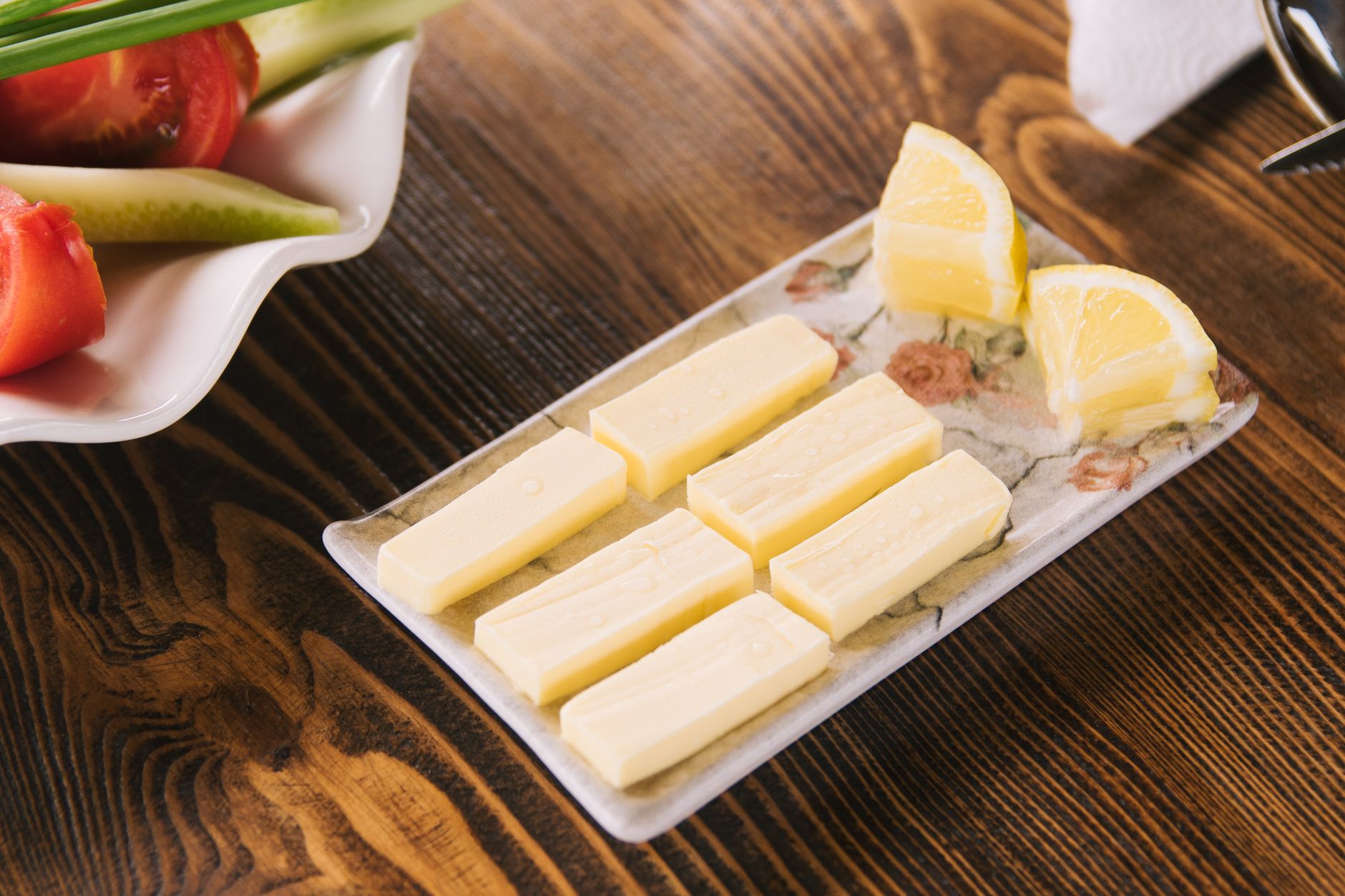
Butter is a staple in many kitchens around the world, revered for its rich flavor and versatile culinary applications. Made from churning cream, butter adds richness and depth to both sweet and savory dishes, making it an essential ingredient in cooking, baking, and even finishing sauces.
In this article, we’ll explore the different types of butter, how to use it effectively in various recipes, and some helpful tips and techniques for incorporating this beloved dairy product into your culinary repertoire.
What Is Butter?
Butter is a dairy product made by churning cream or milk to separate the fat from the buttermilk. The result is a creamy, smooth fat that can be used for cooking, baking, and flavoring. Butter has a distinctive flavor that enhances dishes like baked goods, sauces, and sautéed vegetables.
The Types of Butter
Understanding the various types of butter available can help you choose the best one for your cooking or baking needs. Here are some of the most common types:
- Unsalted Butter: This is the most commonly used butter in recipes. It allows for precise control over seasoning and flavor, making it a favorite choice for baking.
- Salted Butter: This butter contains added salt, which provides flavor and helps preserve the product. It’s often used as a spread, but it can also be used in cooking.
- Clarified Butter: This is butter that has had its milk solids and water removed, resulting in a clear fat. It has a higher smoke point than regular butter, making it ideal for sautéing and frying.
- Grass-Fed Butter: Made from the milk of cows that have been raised on grass, this butter is known for its rich flavor and higher levels of beneficial nutrients like omega-3 fatty acids.
- European Style Butter: Typically contains a higher fat content (around 82-85% compared to the usual 80% in American butter), giving it a creamier texture and richer flavor. It’s excellent for baking and cooking.
Butter in Cooking and Baking
Butter plays a crucial role in both cooking and baking. Its properties can affect the texture, taste, and appearance of dishes. Here’s how to use butter effectively in various culinary applications:
Cooking with Butter
When cooking with butter, it’s important to know how to melt and utilize it properly. Here are some common techniques:
Sautéing
Sautéing vegetables in butter adds a rich flavor to your dishes. To sauté effectively:
- Start with a cold pan and add butter. Use just enough to coat the bottom of the pan.
- Turn the heat to medium and let the butter slowly melt.
- Add vegetables once the butter has foamed; be cautious to avoid burning the milk solids in the butter.
Making Sauces
Butter is often used to enrich sauces. Here’s a quick method:
- After cooking your main ingredients, remove the pan from heat.
- Add cold butter in small pieces, whisking quickly until melted and incorporated.
- This technique creates a luscious texture and a glossy finish.
Baking with Butter
Baking relies heavily on the unique properties of butter. Here are some key points to consider:
Texture and Flavor
Butter provides flavor and moisture in baked goods like cookies, cakes, and pastries. It also contributes to texture, such as flakiness in pie crusts.
Creaming Method
The creaming method, where butter and sugar are beaten together until light and fluffy, introduces air into the mixture, giving baked goods a lighter texture:
- Use softened butter at room temperature.
- Beat with sugar until the mixture is pale and fluffy.
Cold Butter in Pastries
When making pastries, cold butter is crucial for achieving layers. Follow these steps:
- Use very cold butter, cut into small pieces.
- Incorporate it into flour gently, using a pastry cutter or your fingers until the mixture resembles coarse crumbs.
- This helps create a flaky texture when baked.
Storage and Shelf Life of Butter
Proper storage can extend the life of butter and preserve its flavor:
- Refrigeration: Store butter in the refrigerator in its original wrapper or an airtight container. It can last up to a few months in the fridge.
- Freezing: For long-term storage, butter can be frozen. Wrap it tightly in plastic wrap and place it in an airtight container or freezer bag. Frozen butter can last for up to a year.
Common Mistakes When Using Butter
Using butter can seem straightforward, but there are pitfalls to avoid:
- Not using the right type: Choose the right type of butter based on your recipe to achieve the desired flavor and texture.
- Using butter that’s too warm: Softened butter is best for most recipes, but melted butter can change the texture of the final product.
- Overheating: When cooking, butter can burn easily; keep the heat at medium to prevent this.
Substitutes for Butter
If you’re in a pinch or prefer alternatives, several substitutes can work in butter’s place:
Common Butter Substitutes
- Margarine: An equal measure substitute for butter, though it may have a different flavor.
- Coconut Oil: Use in an equal ratio; this provides a distinct flavor and works well in vegan recipes.
- Applesauce: In baking, use half the amount of applesauce for butter to add moisture without the fat.
- Vegetable Oil: Use ¾ cup for every cup of butter; this is ideal for baking where fat content is not a concern.
Enhancing Dishes with Butter
Beyond cooking and baking, butter can be used in creative ways to enhance the flavor of dishes:
Compound Butter
Creating compound butter is an excellent way to infuse extra flavor. Here’s how:
- Soften butter at room temperature.
- Add minced herbs, garlic, spices, or citrus zest to your preference.
- Mix well and re-chill to firm. This can be used on meats, vegetables, or for finishing off pasta dishes.
Brown Butter
Brown butter, or beurre noisette, adds a nutty flavor to dishes:
- In a saucepan, melt butter over medium heat.
- Continue cooking until it starts to foam, then turns golden brown and emits a nutty aroma.
- Remove from heat immediately to prevent burning.
The Culinary World and Butter
Butter holds a distinguished place in various cuisines worldwide:
- French Cuisine: Butter sauces and pastries are foundational in French cooking, emphasizing richness and flavor.
- Indian Cuisine: Ghee, a clarified butter commonly used in Indian cooking, adds depth to flavors and has a high smoke point.
- American Cuisine: From buttered popcorn to pancakes with melted butter, it plays a central role in comfort foods.
Conclusion
Butter is more than just a cooking ingredient; it’s a culinary cornerstone that adds flavor, texture, and richness to dishes across a variety of cuisines. Understanding its different forms, uses, and how to handle it properly can elevate your cooking and baking.
To further explore the versatility of butter, consider trying a clarified butter recipe or indulge in some butter swim biscuits. There are endless possibilities to incorporate this delicious ingredient into your favorite dishes!