
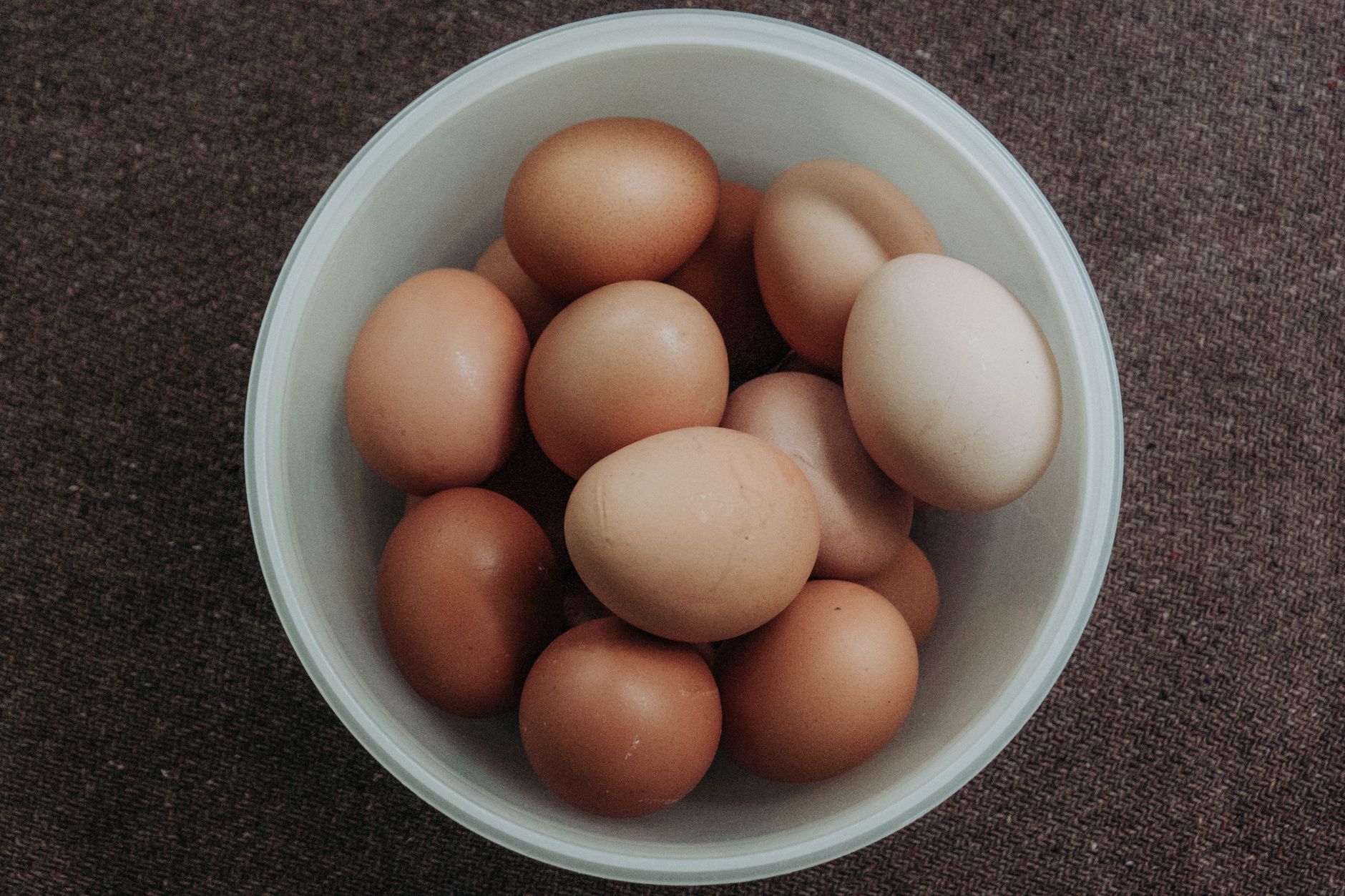
Pasteurized eggs are eggs that have been heat-treated to kill harmful bacteria, such as Salmonella, without cooking the egg itself. This process allows the eggs to retain their liquid state and nutritional value, making them safe for a variety of culinary uses, especially in dishes that call for raw or lightly cooked eggs.
This article will explore what pasteurized eggs are, how they are made, their culinary applications, and tips for purchasing and storing them. Understanding pasteurized eggs can help you enjoy your favorite recipes while prioritizing food safety.
What Are Pasteurized Eggs?
Pasteurized eggs are eggs that have gone through a process of pasteurization, which involves heating them to a specific temperature for a certain period. This heating kills pathogens while keeping the eggs raw in a usable form. Typically, pasteurized eggs are used in dishes where the eggs are not fully cooked, such as Caesar salad dressing, homemade mayonnaise, or any recipe calling for raw eggs.
How Are Pasteurized Eggs Made?
The pasteurization process for eggs involves heating the eggs to a temperature of about 140°F (60°C) for approximately three and a half minutes. This temperature is sufficient to destroy harmful bacteria without cooking the egg. The process can be performed by placing the eggs in warm water or using specialized equipment designed for pasteurizing eggs.
It’s important to note that not all pasteurized eggs are created equal. Some may be marketed as “liquid eggs” or “egg products,” which have been pasteurized and can come in cartons. Whole eggs can also be pasteurized in-shell, allowing consumers to use them just like regular eggs.
Culinary Uses of Pasteurized Eggs
Pasteurized eggs are highly versatile and can be used in a wide range of dishes. Here are some common uses:
- Salad Dressings: Caesar salads and dressings often call for raw eggs. Using pasteurized eggs allows you to enjoy that creamy texture without the worry of foodborne illness.
- Homemade Mayonnaise: Making mayonnaise with raw eggs can be risky. Pasteurized eggs provide the creamy base needed for homemade mayonnaise while keeping it safe.
- Desserts: Many desserts, such as mousse or tiramisu, use raw eggs. Pasteurized eggs ensure these treats are safe to eat.
- Sous Vide: When cooking sous vide, recipes may call for eggs to be cooked to precise temperatures. Pasteurized eggs can be used without fear of bacteria.
- Baking: While most baking recipes fully cook eggs, you can use pasteurized eggs in recipes where they are only partially cooked.
Purchasing Pasteurized Eggs
When looking for pasteurized eggs, you can find them either in-shell or as liquid eggs. Here’s how to select the right product:
- Look for labels: Check for labels that state the eggs are pasteurized. This information is usually found on the carton.
- Check the packaging: Ensure the packaging is intact and free of cracks. Broken shells can lead to contamination.
- Know the difference: If you’re purchasing liquid eggs, they often come in cartons and may show that they are pasteurized on the label.
- Store safely: Always keep pasteurized eggs in the refrigerator, just like regular eggs, to maintain their quality and prevent spoilage.
Storing Pasteurized Eggs
Proper storage is key to maintaining the quality and safety of pasteurized eggs. Here are essential storage tips:
- Refrigeration: Keep pasteurized eggs in the refrigerator at a temperature below 40°F (4°C).
- Avoid temperature fluctuations: Keep eggs in the main body of the refrigerator instead of the door, as the door experiences more temperature changes.
- Use within the recommended time: Check the expiration or sell-by date on the carton. Pasteurized eggs should be used within the same time frame as regular eggs.
- Transfer to an airtight container: For liquid egg products, transfer them to an airtight container to prolong their freshness once opened.
Common Misconceptions about Pasteurized Eggs
Despite their popularity, there are several misconceptions surrounding pasteurized eggs. Here are a few to clarify:
- They are cooked: Many people believe pasteurized eggs are cooked, but they are simply heat-treated to eliminate harmful bacteria while remaining raw.
- They’re only for the health-conscious: While pasteurized eggs are an excellent choice for those concerned about food safety, anyone can benefit from using them in recipes that require raw eggs.
- They have a different taste: Pasteurized eggs taste similar to regular eggs, making them suitable for any recipe where you would use raw eggs.
- They’re only found in specialty stores: Many grocery stores carry pasteurized eggs in the dairy aisle, making them more accessible than one might think.
Cooking with Pasteurized Eggs
When using pasteurized eggs in your cooking, there are a few key considerations to ensure optimal results:
- Choose high-quality eggs: Select fresh, high-quality eggs for the best flavor and texture in your dishes.
- Follow recipe guidelines: When a recipe calls for raw eggs, consider using pasteurized eggs instead, especially in sauces or desserts.
- Be aware of substitutions: If substituting pasteurized eggs for regular eggs, use a 1:1 ratio for most recipes.
- Mixing thoroughly: Properly mix pasteurized eggs into your recipes to ensure an even distribution and avoid any issues with texture.
Practical Substitutions for Pasteurized Eggs
If you don’t have pasteurized eggs on hand, there are several options for substitutions, though they may alter the flavor or texture. Here are a few common alternatives:
- Commercial egg substitutes: These are typically made from egg whites or other ingredients, and can be used instead of pasteurized eggs in certain recipes.
- Silken tofu: Blend silken tofu until smooth; use 1/4 cup to replace one egg in recipes that require moisture, such as baking.
- Yogurt or applesauce: For baked goods, 1/4 cup of yogurt or applesauce can substitute for one egg, adding moisture without the egg component.
- Ground flaxseed or chia seeds: Mix 1 tablespoon of ground flaxseed or chia seeds with 3 tablespoons of water. Let it sit for 5-10 minutes until it gels; this substitute works well in baking.
Common Mistakes to Avoid When Using Pasteurized Eggs
While pasteurized eggs can be incredibly versatile, there are some common mistakes to avoid:
- Ignoring freshness: Just like regular eggs, it’s essential to use pasteurized eggs that are fresh. Check sell-by dates to ensure quality.
- Not storing properly: Failing to refrigerate pasteurized eggs or exposing them to temperature fluctuations can lead to spoilage.
- Relying solely on appearance: Don’t judge the safety or quality of an egg solely by its appearance. Always check the packaging and use fresh eggs.
- Skipping pasteurization: Attempting to pasteurize eggs at home can be tricky and is not recommended. It’s best to buy pasteurized eggs from reputable sources.
Health Considerations
As with any food product, it’s important to be aware of health considerations concerning pasteurized eggs:
- Nutrition: Pasteurized eggs maintain their nutritional profile, containing high-quality protein, vitamins, and minerals.
- Allergies: Individuals allergic to eggs should avoid all forms of eggs, including pasteurized varieties.
- Diet restrictions: Those following a vegan diet will want to avoid eggs altogether; however, pasteurized eggs may be suitable for some vegetarian diets.
FAQ About Pasteurized Eggs
Are pasteurized eggs safe for pregnant women?
Yes, pasteurized eggs are safe for pregnant women as they have been treated to eliminate harmful bacteria while still providing the nutritional benefits of whole eggs.
Can I pasteurize eggs at home?
While it is possible to pasteurize eggs at home, the process requires precise temperature control. It’s generally safer and more convenient to purchase commercially pasteurized eggs.
How long do pasteurized eggs last?
Pasteurized eggs have a similar shelf life to regular eggs. They can typically last for about three to five weeks in the refrigerator, depending on freshness and proper storage methods.
Can I use pasteurized eggs in baking?
Yes, you can use pasteurized eggs in baking. They can replace regular eggs at a 1:1 ratio in most recipes. However, ensure that any dish with eggs is cooked thoroughly to avoid any food safety issues.
Where can I find pasteurized eggs?
Pasteurized eggs are increasingly available in grocery stores, often in the dairy section. Look for them in cartons labeled as pasteurized or inquire with store staff for assistance.
Storing and Reheating Pasteurized Egg Dishes
If you’re preparing dishes using pasteurized eggs, it’s important to store and reheat them properly to ensure they remain safe and delicious:
- Storing: Dishes made with pasteurized eggs can be stored in the refrigerator for up to 3-4 days in an airtight container.
- Reheating: When reheating, ensure that the dish is heated to an internal temperature of 165°F (74°C) to kill any potential bacteria that may have developed during storage.
To enjoy safe and delicious meals, consider using pasteurized eggs in recipes that require raw eggs. These eggs combine safety and flavor, making your culinary endeavors not only enjoyable but also worry-free.
As you explore your cooking options, consider trying out some of the recipes or guides related to egg usage, like how long eggs can last in the refrigerator or how long they last after their sell-by date. Whether you’re making a Caesar salad dressing or a decadent dessert, pasteurized eggs can elevate your dishes while keeping them safe.