
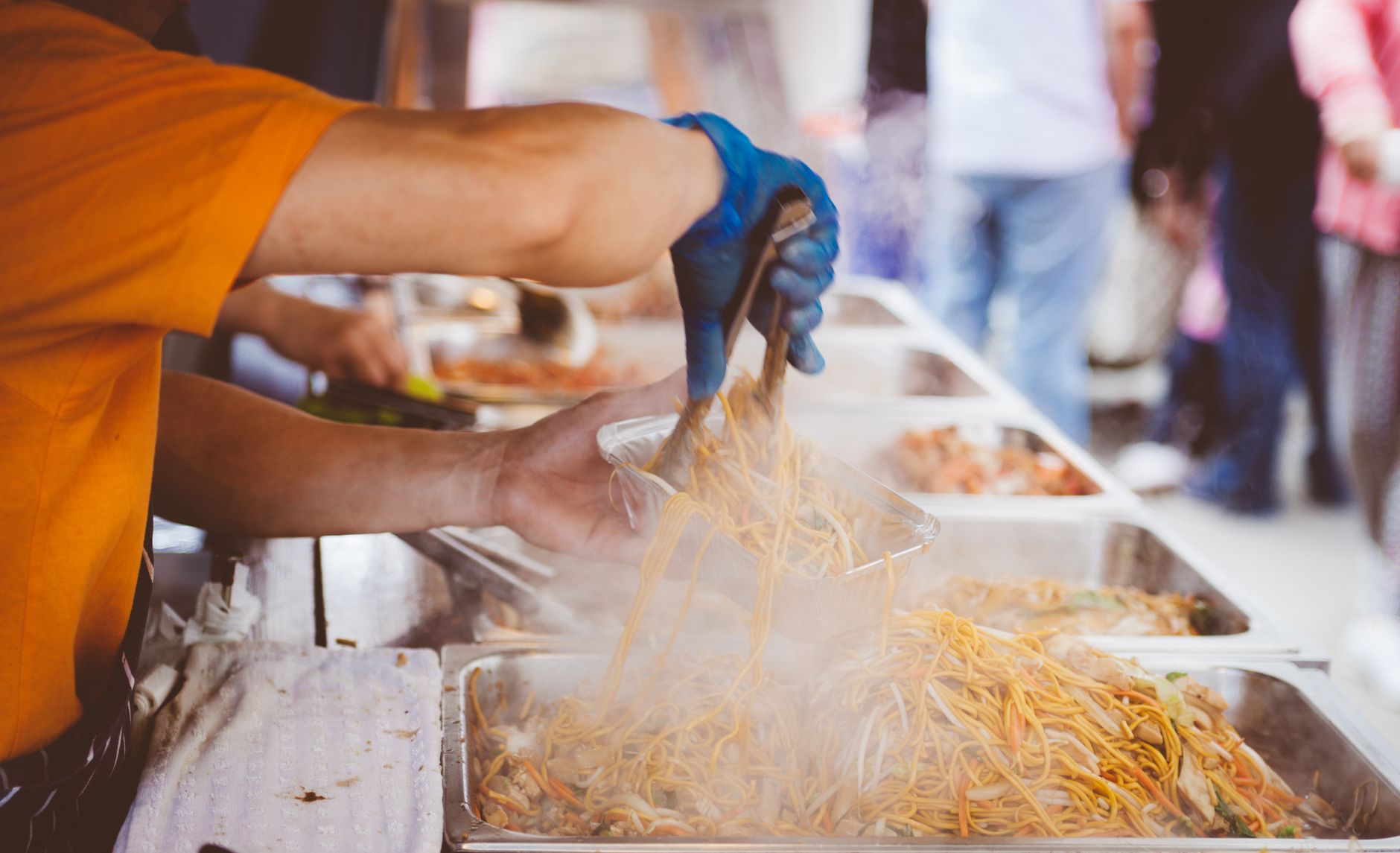
Chow Mein and Lo Mein are two beloved dishes in Chinese cuisine, frequently featured on restaurant menus around the world. While both of these dishes primarily consist of noodles, their differences extend beyond just their ingredients. Understanding these distinctions can enhance your culinary experiences, whether you are dining out or preparing food at home.
This article delves into the origins, preparation techniques, flavor profiles, and variations of Chow Mein and Lo Mein. By the end, you’ll have a clear understanding of these two noodle dishes and can confidently choose which one to enjoy next.
What Is The Difference Between Chow Mein And Lo Mein?
The main difference between Chow Mein and Lo Mein is in the type of noodles used and how they are prepared. Chow Mein noodles are typically fried until crispy, giving them a crunchy texture, while Lo Mein noodles are boiled and then tossed with sauce and other ingredients, resulting in a softer and more pliable dish.
Understanding Chow Mein
Chow Mein translates to “fried noodles,” which accurately describes the cooking method used for this dish. The noodles are made primarily from wheat flour and eggs, which contributes to their firm texture. Depending on the region, Chow Mein can feature either thin or thick noodles, though thin is more common in American-Chinese cuisine.
Origins and Variations
Chow Mein has roots in Chinese cooking and has evolved into various forms across different cultures. In some places, especially within North America, Chow Mein dishes have been adapted using local ingredients and cooking techniques.
- Crispy Chow Mein: The noodles are fried until they are crispy, and then vegetables and protein are added on top.
- Steamed Chow Mein: The noodles are steamed rather than fried, resulting in a softer texture.
- Hong Kong-style Chow Mein: A popular variation featuring a thick sauce and a mix of meats and vegetables.
Cooking Technique
The cooking process for Chow Mein often involves stir-frying. Here are the essential steps:
- Start by boiling the noodles until they are al dente, then drain them.
- In a hot wok, add oil and sauté garlic and onions until fragrant.
- Add your choice of meat and cook until browned.
- Incorporate vegetables such as bell peppers, bean sprouts, and carrots.
- Add the boiled noodles and stir-fry, applying soy sauce or any other preferred sauces.
Flavor Profile and Ingredients
Chow Mein often has a rich, savory flavor, enhanced by ingredients such as soy sauce, ginger, and garlic. Common ingredients may include:
- Protein: chicken, beef, shrimp, or tofu
- Vegetables: snow peas, green onions, broccoli, bell peppers
- Seasonings: soy sauce, oyster sauce, sesame oil
Understanding Lo Mein
Lo Mein, translating to “stirred noodles,” features a different preparation method than Chow Mein. The noodles used in Lo Mein are typically larger, thicker, and softer, and they are also made from wheat flour and eggs.
Origins and Variations
Lo Mein likely originated from the Cantonese style of cooking. It emphasizes a balance between noodle texture and sauce flavor. While Lo Mein is straightforward in North America, it also has its regional adaptations.
- Vegetable Lo Mein: A version that emphasizes a wide variety of vegetables.
- Chicken or Beef Lo Mein: Commonly includes protein for a heartier meal.
- Spicy Lo Mein: Features chili paste or sriracha for a kick.
Cooking Technique
The preparation method for Lo Mein is simple and focuses on combining cooked noodles with various ingredients. Here’s how to make Lo Mein:
- Boil the thicker noodles and drain them.
- In a wok or pan, heat oil and add garlic and any protein you are using.
- Stir-fry until the protein is cooked through.
- Add vegetables and cook until just tender.
- Add the drained noodles and sauces of choice, tossing to combine.
Flavor Profile and Ingredients
Lo Mein offers a delightful balance of flavors, primarily due to the sauce that coats the noodles. Typical ingredients include:
- Protein: chicken, beef, pork, or shrimp
- Vegetables: bok choy, carrots, mushrooms, green onions
- Sauces: soy sauce, hoisin sauce, sesame oil, chili garlic sauce
Key Differences Summarized
Here’s a quick comparison to highlight the differences between Chow Mein and Lo Mein:
| Aspect | Chow Mein | Lo Mein |
|---|---|---|
| Noodle Texture | Thin, crispy | Thicker, soft |
| Cooking Method | Fried/stir-fried | Boiled/stirred |
| Sauce Application | Top-layer sauce | Coated noodles |
| Common Ingredients | Wider variety of proteins and vegetables | More emphasis on cooked noodles with sauce |
Substitutions and Variations
Both Chow Mein and Lo Mein have room for creativity, and you can substitute ingredients based on dietary preferences or availability. A few substitution ideas include:
- Noodles: If you can’t find traditional Chow Mein or Lo Mein noodles, you can use spaghetti or rice noodles, keeping in mind that this will alter the flavor and texture slightly.
- Protein: For a vegetarian version, tofu or tempeh can replace meat. It absorbs flavors well.
- Vegetables: Feel free to add seasonal vegetables such as zucchini, asparagus, or mushrooms to enhance the dish.
Common Mistakes to Avoid
When preparing either dish, it’s easy to make mistakes that may affect the final product. Here’s how to avoid common pitfalls:
- Overcooking Noodles: Whether making Chow Mein or Lo Mein, ensure you cook the noodles only until al dente. Overcooked noodles can become mushy.
- Using Too Much Sauce: Moderation is key; too much sauce can overwhelm the dish and make it overly salty.
- Neglecting Ingredient Prep: Have all your ingredients prepared and ready to go before cooking. This will help in adhering to the quick cooking time.
Serving Suggestions
Chow Mein and Lo Mein can be served as main dishes, often alongside appetizers like spring rolls or dumplings. Here are a few serving ideas:
- Garnish with sesame seeds or chopped green onions for added flavor and visual appeal.
- Pair with a light soup, such as hot and sour soup, to complement your meal.
- Serve with dipping sauces on the side for additional flavor options, such as sweet and sour or chili sauce.
Make-Ahead and Storage Tips
Both Chow Mein and Lo Mein can be made ahead of time, making them excellent options for meal preparation. Here are some storage tips:
- Store leftovers in an airtight container in the fridge for up to three days.
- Reheat in a pan over medium heat, adding a splash of water or broth to prevent sticking.
- For freezing, package them in individual portions. They can last in the freezer for up to two months.
Understanding the differences between Chow Mein and Lo Mein can improve your ability to choose the right dish based on your taste preferences. Whether you enjoy the crispy textures of Chow Mein or the saucy goodness of Lo Mein, both dishes share a delicious and comforting quality that makes them favorites among many.
For those looking to recreate these dishes at home, there are many recipes available, such as a delicious beef Lo Mein recipe and a flavorful Chow Fun recipe. Exploring these links can enhance your cooking repertoire and bring authentic Asian flavors to your kitchen.