
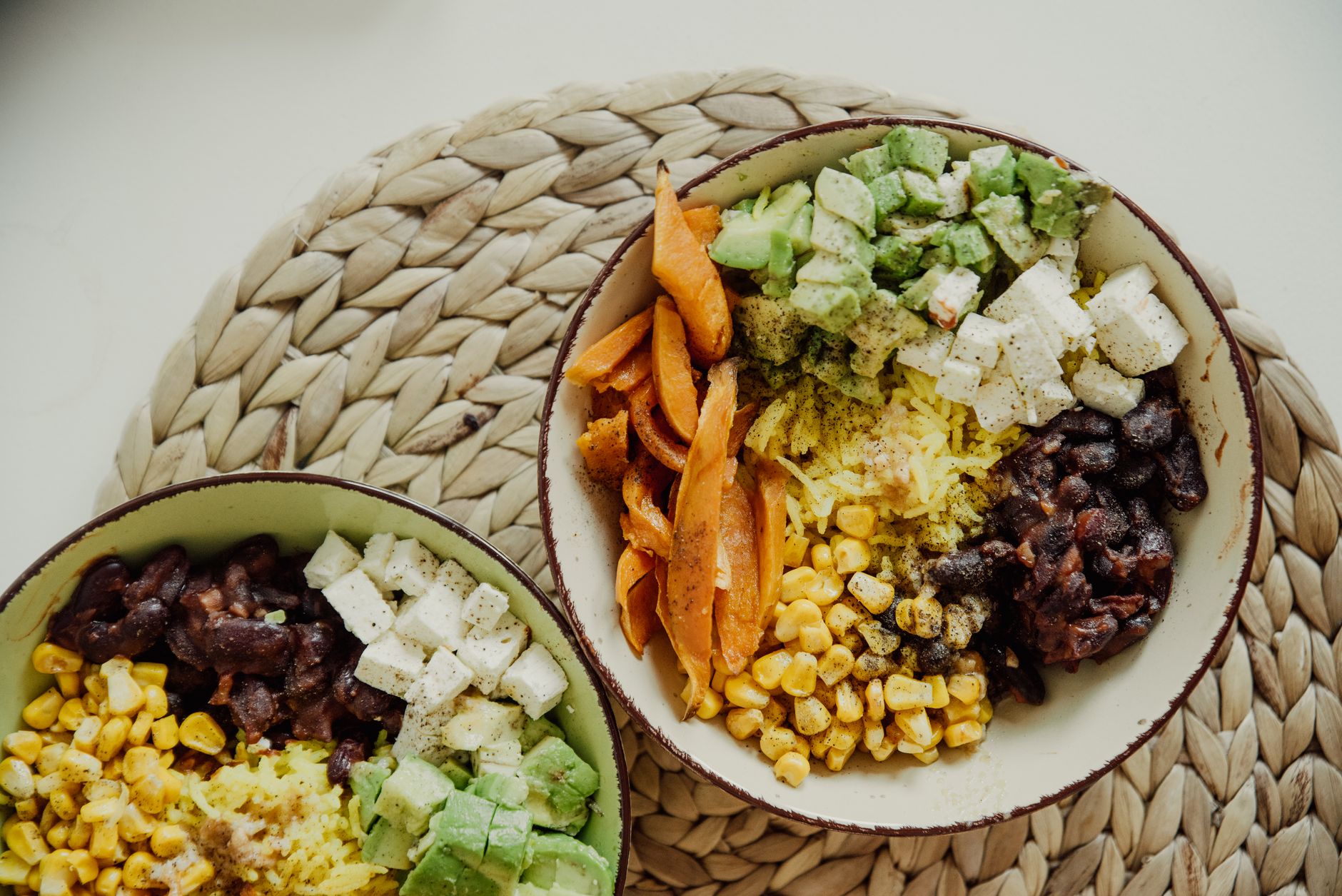
When it comes to losing belly fat, the right food choices can make a significant difference. Many factors contribute to weight loss, but maintaining a healthy diet is paramount. By incorporating specific foods into your meals, you can promote fat burning, improve metabolism, and support overall health.
This guide explores various foods that support belly fat loss, their benefits, and practical meal-planning advice. From fiber-rich options to protein-packed choices, harnessing these ingredients can help you achieve your goals more effectively.
What To Eat To Lose Belly Fat?
To lose belly fat, focus on consuming whole, nutrient-dense foods. Incorporate plenty of fruits, vegetables, whole grains, lean proteins, and healthy fats. These foods not only provide essential nutrients but also help regulate appetite and reduce cravings, making it easier to maintain a calorie deficit.
The Role of Nutrition in Fat Loss
Nutrition plays a vital role in weight loss and fat reduction, particularly around the belly area. Here are some key aspects to consider:
- Caloric Deficit: Consuming fewer calories than your body expends is essential for weight loss. Choosing low-calorie, nutrient-dense foods helps you feel full while limiting overall intake.
- Macronutrients: Balancing protein, fats, and carbohydrates can stabilize insulin levels and control hunger. Protein, in particular, can enhance satiety and promote muscle retention during weight loss.
- Whole Foods vs. Processed Foods: Whole foods are less calorie-dense than processed foods and often come with added sugars and unhealthy fats. Opting for whole foods, such as fruits, vegetables, and whole grains, can help manage weight.
Foods That Help Lose Belly Fat
Incorporating specific foods into your diet can support your weight loss journey. Here’s a detailed look at beneficial ingredients and how they assist in losing belly fat.
1. Fruits and Vegetables
Fruits and vegetables are packed with vitamins, minerals, and fiber. They are typically low in calories and high in water content, making them an excellent choice for weight loss.
- Berries: Strawberries, blueberries, and raspberries are high in antioxidants and fiber. They can help reduce belly fat by regulating insulin levels and enhancing the body’s ability to manage blood sugar.
- Leafy Greens: Spinach, kale, and Swiss chard are rich in nutrients and low in calories. Their high fiber content improves satiety.
- Cruciferous Vegetables: Broccoli, cauliflower, and Brussels sprouts provide fiber and antioxidants, which can assist in reducing inflammation related to belly fat.
2. Whole Grains
Whole grains like quinoa, brown rice, and oatmeal are excellent sources of fiber and nutrients. Unlike refined grains, they help maintain steady energy levels and prevent hunger.
- Oats: Rich in beta-glucans, oats can help lower cholesterol and induce feelings of fullness.
- Quinoa: A complete protein containing all essential amino acids, quinoa can aid muscle retention when losing weight.
3. Lean Proteins
Protein is crucial in your diet as it helps build and repair muscle while also promoting satiety.
- Chicken Breast: A lean source of protein, chicken breast is low in fat and provides essential nutrients.
- Fish: Salmon, sardines, and mackerel are not only rich in protein but also contain omega-3 fatty acids, which have been shown to reduce body fat.
- Legumes: Beans, lentils, and chickpeas are packed with protein and fiber, making them excellent choices for plant-based diets.
4. Healthy Fats
Incorporating healthy fats is essential for overall well-being and can actually aid in weight loss by promoting fullness.
- Avocados: Loaded with monounsaturated fats, avocados can help regulate appetite and improve overall heart health.
- Nuts and Seeds: Almonds, walnuts, chia seeds, and flaxseeds are high in healthy fats and fiber, reducing hunger and cravings.
5. Spices and Other Ingredients
Adding certain spices and ingredients to your meals can enhance flavor while promoting fat loss.
- Curry Powder: Contains curcumin, which is believed to reduce fat tissue growth and promote weight loss.
- Cinnamon: Aids in stabilizing blood sugar levels, thus reducing cravings and hunger.
- Green Tea: Rich in antioxidants, green tea has been linked to increased fat oxidation and improved metabolism.
Meal Planning for Belly Fat Loss
Creating a structured meal plan can help keep your diet on track. Here’s how to develop a practical plan:
1. Set Clear Goals
Determine your weight loss objectives, including how much belly fat you aim to lose within a specific timeframe. This will guide your caloric needs and meal choices.
2. Create a Balanced Meal Plan
Focus on including a mix of proteins, healthy fats, and fiber-rich carbohydrates in every meal. This promotes nutritional balance and satiety.
3. Incorporate Variety
Include a wide range of foods to ensure you meet your nutritional needs while avoiding boredom in your meals. Plan for seasonal fruits and vegetables.
4. Batch Cooking
Prepare ingredients in bulk for use throughout the week. Cook large batches of grains and proteins, and chop vegetables in advance to streamline meal prep.
5. Stay Hydrated
Water is crucial for metabolism and helps prevent hunger. Aim for at least 8-10 cups of water daily, and consider herbal teas for added variety.
Sample Meal Plan to Lose Belly Fat
Below is a simple one-day meal plan that includes effective choices for losing belly fat.
| Meal | Food |
|---|---|
| Breakfast | Overnight oats made with rolled oats, almond milk, topped with berries and chia seeds. |
| Snack | An apple with a handful of almonds. |
| Lunch | Quinoa salad with chickpeas, spinach, cherry tomatoes, and avocado dressing. |
| Snack | Carrot sticks with hummus. |
| Dinner | Grilled salmon with steamed broccoli and a side of sweet potato. |
Common Mistakes to Avoid
While implementing these food choices, be cautious of common pitfalls:
- Skipping Meals: Skipping meals can lead to overeating later. Ensure regular meal times for steady energy levels.
- Overemphasizing “Diet” Foods: Low-fat or sugar-free products often contain additives that are not beneficial. Focus on whole foods instead.
- Neglecting Portion Sizes: Even healthy foods can contribute to weight gain if portion sizes are excessive. Be mindful of your servings.
Maintaining Long-Term Success
For effective and lasting belly fat loss, making sustainable changes is crucial. Here are some tips for long-term success:
- Stay Active: Incorporate regular physical activity, including both strength training and cardiovascular exercises.
- Monitor Your Progress: Keep track of your food intake and weight changes to stay accountable to your goals.
- Cultivate Mindfulness: Pay attention to your hunger cues and emotional triggers related to food. Mindful eating can prevent emotional eating.
Storage and Preparation Tips
To maintain the freshness and quality of your ingredients, consider these storage tips:
- Fruits and Vegetables: Store in the fridge in perforated bags to prolong freshness.
- Whole Grains: Store in airtight containers to keep moisture and pests out.
- Lean Proteins: Wrap tightly and freeze any unused portions to prevent spoilage.
Proper preparation also aids in meal planning. Wash and chop vegetables ahead of time, cook grains in bulk, and portion out snacks to make healthy eating more accessible.
By focusing on including nutrient-dense foods in your meals, practicing mindful eating, and being consistent, you can support your weight loss goals while enjoying the process. Adopting these strategies fosters healthy habits that can lead to a sustainable lifestyle change.
As you embark on your journey to lose belly fat, consider exploring more nutritious recipes like chia pudding with coconut milk or learn about the benefits of chia seeds for addedhealth benefits. These options help keep your meal planning exciting and diverse.