
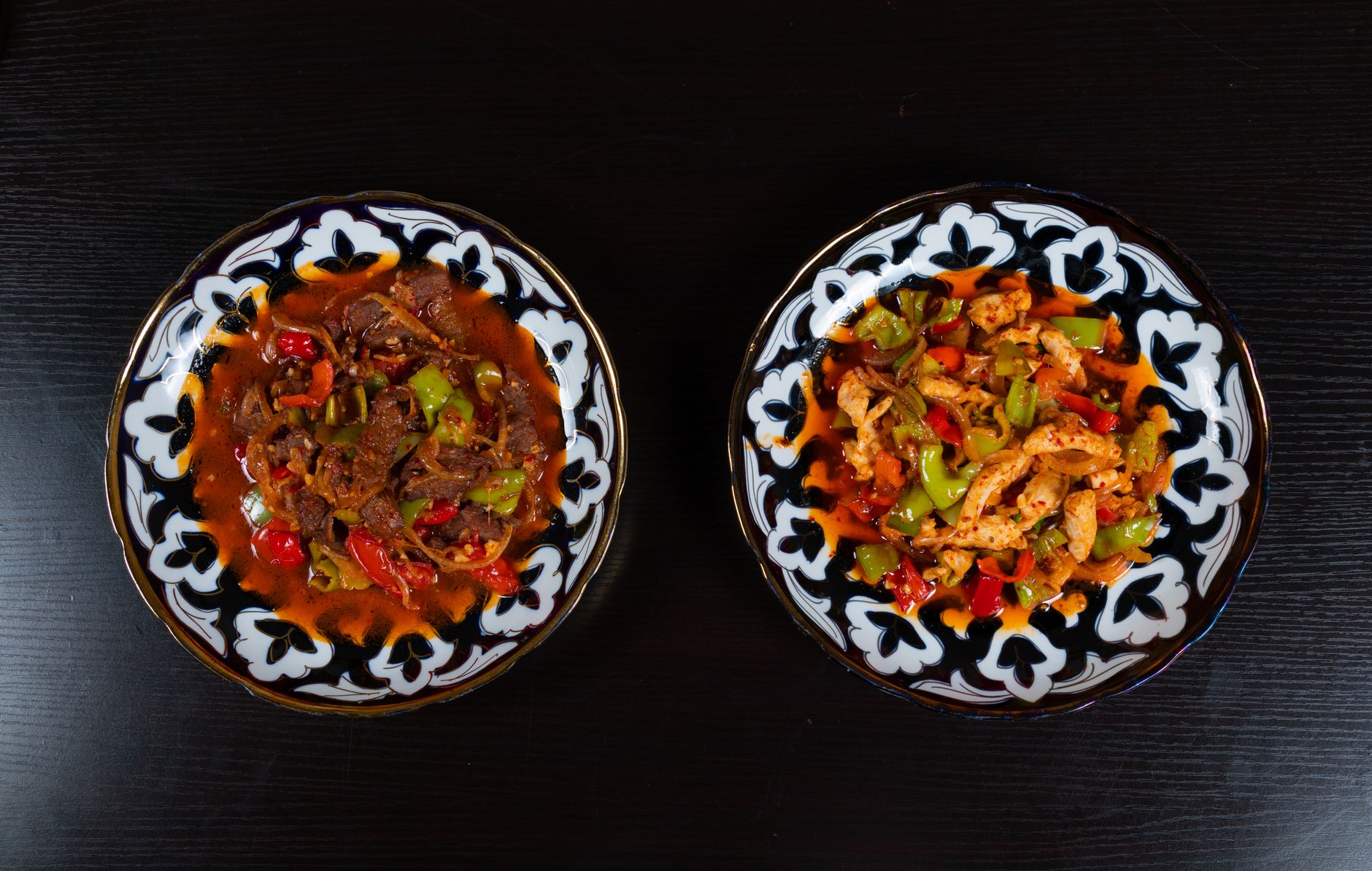
The question “Can Muslims eat beef?” is essential to understand, especially for those navigating dietary preferences within the Muslim community. Beef consumption in Islam depends on specific dietary laws outlined in the Quran and Hadith, which define what is halal (permissible) and haram (forbidden).
This article explores the guidelines surrounding beef consumption in Islam, the principles of halal dietary laws, the importance of sourcing meat, and practical tips for Muslims looking to enjoy beef responsibly and deliciously.
Can Muslims Eat Beef?
Yes, Muslims can eat beef, but the meat must come from animals that have been slaughtered according to halal guidelines. This involves specific rituals, including invoking the name of Allah during the slaughter and ensuring the animal is healthy and wholesome.
What is Halal?
Halal is an Arabic term meaning “permissible” in Islam. The Quran and Hadith outline dietary laws that dictate what foods Muslims can consume. The two critical tenets of halal meat involve the type of animal and the method of slaughtering.
Criteria for Halal Beef
- The animal must be from a permissible species. Cows are among the animals permitted.
- The animal must be healthy at the time of slaughter.
- The slaughter must be conducted by a Muslim who is of sound mind and has reached the age of maturity.
- The name of Allah must be invoked during the slaughtering process.
- The blood must be fully drained from the carcass.
Understanding Haram
Haram, meaning “forbidden,” includes any food items that do not meet halal requirements. Any animal that has died of natural causes, is carrion, or contains harmful substances is considered haram. Additionally, pork and alcohol are universally prohibited in Islam.
How Beef Becomes Halal
Halal beef is achieved through a specific slaughtering procedure, which is crucial for Muslims seeking to eat beef while adhering to their faith. Below, we outline the steps taken to ensure meat is halal.
The Slaughtering Process
- **Preparation**: The animal must be clean, healthy, and treated humanely. It should not be subjected to abuse or stress prior to slaughter.
- **Invocation**: The person performing the slaughter must state the name of Allah, saying “Bismillah Allahu Akbar” (In the name of Allah, Allah is the Greatest).
- **Cutting**: A swift cut is made to the throat, windpipe, and major blood vessels in the neck to ensure rapid bleeding of the animal. This is done with a sharp knife to minimize suffering.
- **Draining the Blood**: As mentioned earlier, the blood must be fully drained from the carcass, which is important for the meat’s wholesomeness.
- **Post-Slaughter Processing**: The beef is then processed according to halal guidelines, including cleanliness and avoiding contamination with haram substances.
Choosing Halal Beef
Not all beef available at markets is halal. Here’s how to choose the right beef and ensure that it adheres to halal practices.
Where to Buy Halal Beef
- Halal Markets and Butchers: The best option for guaranteed halal beef is to purchase it from halal-certified markets or butchers that specialize in halal meat.
- Supermarkets: Some larger supermarkets have sections dedicated to halal products. Look for halal certification labels.
- Online Retailers: Several online retailers specialize in halal meat delivery. Make sure to check certifications and reviews.
Cooking with Halal Beef
Cooking halal beef can be a delightful experience. The rich flavor and versatility of beef make it suitable for a variety of dishes, from savory stews to grilled steaks. Here are some popular cooking techniques and beef dishes you can try.
Popular Cooking Techniques for Beef
- Grilling: Perfect for burgers and steaks, grilling adds a smoky flavor that enhances the meat’s natural taste.
- Searing: Seared beef can create a flavorful crust while keeping the interior juicy, ideal for cuts like rib-eye or tenderloin.
- Braising: Slow-cooking tougher cuts like chuck or shank in liquid tenderizes the meat and infuses flavors over time.
- Stir-Frying: A quick method for slices of beef, often combined with vegetables and flavorful sauces, popular in many Asian cuisines.
Popular Halal Beef Dishes
Here are some delicious halal beef dishes you can enjoy:
- Beef Kebabs: Deliciously spiced ground beef formed into skewers and grilled, perfect for summer barbecues.
- Beef Curry: A flavorful dish of beef simmered in a blend of spices and coconut milk, popular in South Asian and Middle Eastern cuisine.
- Beef Stroganoff: Tender beef strips in a creamy mushroom sauce served over pasta or rice, a classic comfort food.
- Beef Tacos: Ground beef seasoned with spices, served in soft or hard tortillas with fresh toppings.
Practical Tips for Cooking Halal Beef
Cooking with halal beef requires attention to detail. Here are some practical tips to enhance your experience:
Storage and Handling
- Store halal beef in the coldest part of the refrigerator if you plan to use it within a few days. Otherwise, freeze it for longer storage.
- When thawing frozen beef, use the refrigerator for slow thawing or the microwave for quicker results, but avoid leaving it at room temperature.
- Always separate raw beef from other foods, particularly produce, to avoid cross-contamination.
Cooking Temperatures
Ensure beef is cooked to the proper internal temperature for safety. Use a meat thermometer for best results. For ground beef, aim for 160°F (71°C); for steaks and roasts, 145°F (63°C) with a three-minute rest before cutting.
Common Mistakes to Avoid with Halal Beef
Several mistakes may compromise your halal cooking experience:
Avoiding Overcooking
Beef can become tough and dry if overcooked. Monitoring cooking times and using appropriate cooking techniques can help maintain texture and flavor.
Not Seasoning Properly
Beef has a naturally rich flavor, but it can benefit from seasoning. Consider using spices, herbs, marinades, or rubs to enhance taste without overwhelming it.
Meal Planning with Halal Beef
Incorporating halal beef into your weekly meal plan allows for variety and nutrition. Here’s how to structure your meals.
Weekly Meal Plan Example Featuring Halal Beef
| Day | Lunch | Dinner |
|---|---|---|
| Monday | Beef Stir-Fry with Vegetables | Grilled Beef Kebabs with Rice |
| Tuesday | Leftover Beef Curry with Naan | Beef Tacos with Fresh Salsa |
| Wednesday | Beef Salad with Dressing | Stuffed Bell Peppers with Ground Beef |
| Thursday | Beef Wraps with Hummus | Beef Stroganoff over Pasta |
| Friday | Grilled Beef Sandwich | Beef Burgers with Sweet Potato Fries |
Conclusion
Muslims can enjoy beef as long as it is sourced and prepared according to halal standards. By understanding halal principles, sourcing quality products, and employing effective cooking techniques, halal beef can be a delightful addition to any meal. Remember to explore recipes such as beef lo mein or visit dedicated halal markets for your next culinary adventure.
For some delicious recipes to try with halal beef, explore our halal white sauce recipe or beef lo mein recipe. Discover the flavors you can create in your kitchen today!