
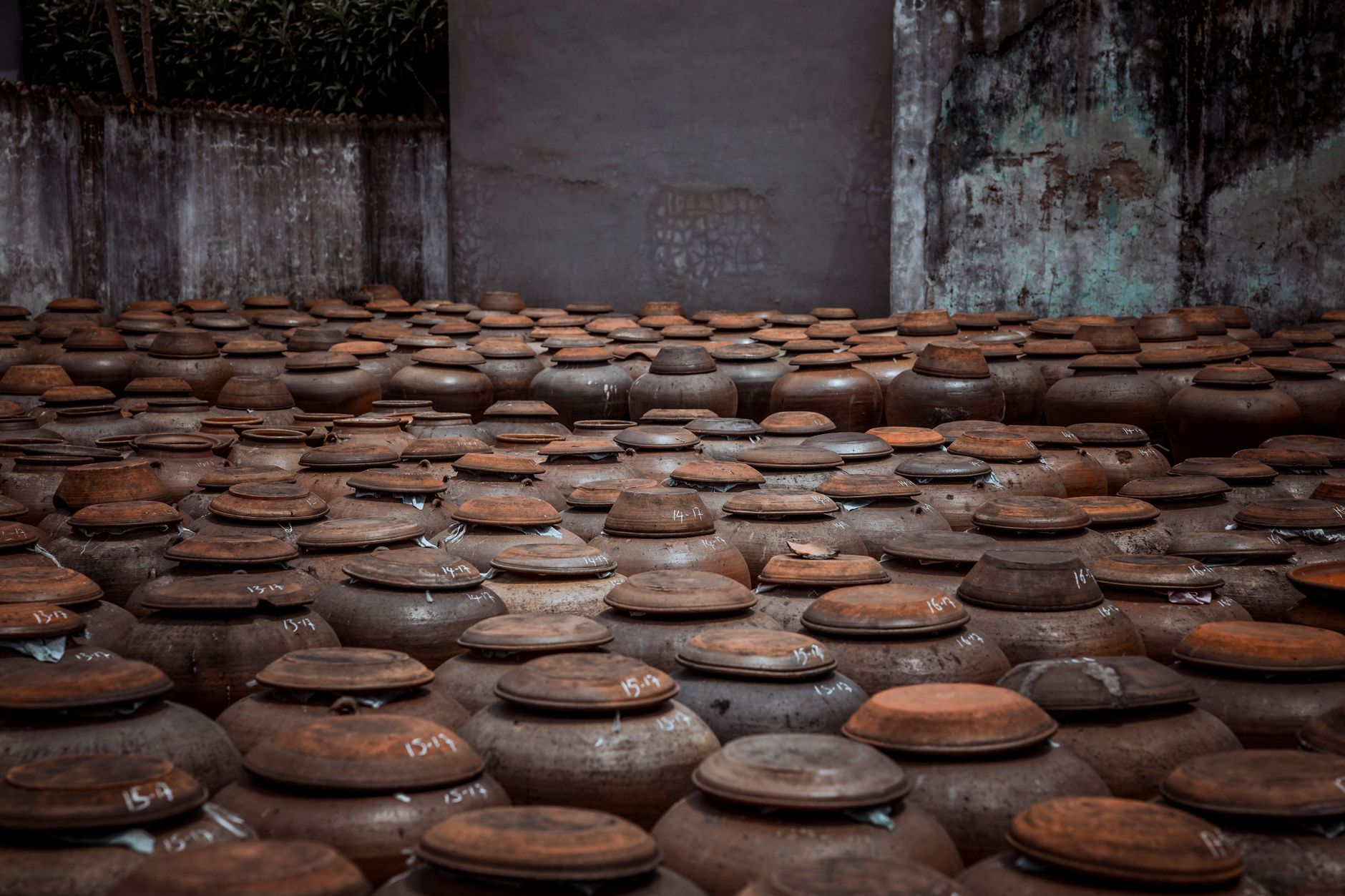
Moonshine, often associated with the rustic charm of homemade spirits, raises a complex question regarding its legality. Many enthusiasts wonder whether is it legal to produce moonshine for personal use, and how such regulations vary across different regions. Understanding the legal landscape around moonshine can help you navigate its intricate world, from production to consumption.
This article will delve into the legality of moonshine, explore the history and evolution of distilling, and provide guidance on the current regulations shaping this popular homemade beverage, as well as the implications of these laws on enthusiasts and hobbyists.
Is Moonshine Illegal?
The legality of moonshine varies widely based on location and the circumstances surrounding its production and sale. In general, it is illegal to produce moonshine in most countries without a government permit. This regulation is often rooted in safety, as unregulated distillation can lead to dangerous outcomes and potential health risks.
In the United States, for example, the Alcohol and Tobacco Tax and Trade Bureau (TTB) regulates the production of alcohol, requiring distillers to obtain specific permits. While small-scale distillation for personal use may be overlooked in some states, greater quantities—even for personal consumption—can attract legal scrutiny.
Understanding Moonshine
Moonshine is essentially homemade distilled spirits. Historically, it has been created in secret, away from government oversight, which is where its reputation as “illegal” derives. Typically, moonshine is made from corn, but other ingredients like grains and sugar can also be used.
The appeal of moonshine lies not only in its potent flavors but also in the age-old tradition and craftsmanship involved in its production. Many distillers take pride in their recipes and rejoice in their connection to heritage and history.
History of Moonshine
The practice of distilling spirits has been around for centuries, originating during the Middle Ages. In the U.S., moonshining became particularly prevalent during the Prohibition era (1920-1933), when the production and sale of alcoholic beverages was illegal. Moonshiners operated covertly, crafting their spirits and often using creative methods to avoid detection.
Even after Prohibition ended, many people continued to distill spirits illegally out of tradition or as a means of income. This has led to a long-lasting culture surrounding moonshine that persists to this day.
Current Regulations on Moonshine Production
Today, the legality of moonshine production is governed by federal, state, and local laws. Understanding these regulations is crucial for anyone looking to engage in home distillation. Here’s a breakdown of key points regarding moonshine legality:
Federal Laws
- Under federal law, it is illegal to distill spirits without a permit and to produce more than a specific quantity without facing penalties.
- The TTB requires individuals engaged in distilling to file paperwork and obtain proper licensing.
- Distilling for personal use is generally not permitted; a permit is necessary even for small-scale production.
State Laws
State regulations can vary significantly. Some states have more relaxed laws regarding the production of homemade alcohol, while others maintain strict enforcement. It is essential to research local laws where you live or plan to distill.
Local Regulations
In addition to state rules, local county or municipal regulations might impose further restrictions. Be sure to familiarize yourself with these layers of legality before attempting to produce any moonshine.
Moonshine vs. Legal Spirits
The main distinction between moonshine and legally produced spirits lies in the regulation and oversight of the production process. Legal spirits must be manufactured under specific guidelines that include safety standards, labeling, and taxation. However, moonshine typically escapes this framework, often resulting in inconsistent quality and safety practices.
When it comes to flavor and style, some consumers enjoy seeking out artisanal moonshine products, which increasingly appear in liquor stores. Various distilleries have embraced the moonshine label, producing it with quality ingredients and within regulated environments.
Health Risks of Homemade Moonshine
Producing moonshine at home poses several potential health risks, largely due to the possibility of Methanol contamination. Methanol is a byproduct of fermentation that can occur in poorly managed distillation processes.
This alcohol is highly toxic; consumption can lead to serious health issues such as blindness or even death. Without proper equipment and knowledge, homemade moonshine can be dangerous and should be approached with caution.
How to Make Moonshine Legally
For those interested in pursuing the art of distilling while complying with the law, here are some recommendations on how to proceed legally and safely:
1. Obtain a Distilling Permit
The first step is to apply for a federal distilling permit through the TTB. This often involves providing information on your distilling plans, equipment, and intended production volume.
2. Research State and Local Regulations
Learn about the specific laws pertaining to distillation in your state and locality. Some states may require additional permits or have specific regulations affecting your operations.
3. Choose the Right Equipment
Investing in proper distillation equipment is vital. Look for stills designed for safety, with reliable temperature control mechanisms. Avoid makeshift stills that can increase the risk of unsafe production.
4. Select Quality Ingredients
Using quality ingredients can vastly improve the outcome of your moonshine. High-quality grains or fruits will yield better flavors and aromas, leading to a more enjoyable final product.
5. Maintain Safety Standards
Ensure safety measures are in place during production. This includes proper ventilation, temperature monitoring, and following safe alcohol handling practices to prevent accidents.
Moonshine Recipes
Here are a few simple recipes to get you started on your journey into the world of moonshine while adhering to regulations. Always remember to use your equipment legally and safely!
Classic Corn Whiskey
This traditional moonshine recipe focuses on the use of corn, a staple for many distillers.
Ingredients:
- 8 lbs cracked corn
- 5 gallons of water
- 3 lbs sugar
- 1 packet of yeast
Equipment:
- Fermentation vessel
- Distillation apparatus
- Hydrometer
- Temperature control device
Method:
- Heat water to 165°F (73°C) and stir in cracked corn, allowing it to steep for one hour.
- Add sugar and stir until completely dissolved.
- Cool the mixture to room temperature, then add yeast.
- Seal the fermentation vessel and allow it to ferment for about 1 week, maintaining a consistent temperature.
- When bubbling slows, prepare to distill using a legal still according to your permits.
- Distill the mixture and separate into fractions (the heads, hearts, and tails). Collect only the hearts for consumption.
Fruit Flavored Moonshine
This variation allows you to infuse the spirit with fruity flavors, giving it a unique and refreshing twist.
Ingredients:
- 2 cups fruit (peaches, cherries, or apples)
- 1 quart of distilled spirits
- 1 cup sugar (optional for sweetness)
Method:
- In a jar, combine the fruit and distilled spirits, making sure the fruit is submerged.
- Add sugar if a sweeter taste is desired, then seal the jar.
- Store in a cool, dark place for about two weeks, shaking gently every few days.
- Once infused, strain out the fruit and enjoy your flavored moonshine responsibly.
Common Mistakes and Troubleshooting
A few common mistakes can lead to unsatisfactory outcomes when making moonshine:
- Poor Fermentation: Ensure your yeast is fresh and that the temperature remains stable. Lack of bubbling can indicate fermentation has stalled.
- Incorrect Distillation: Make sure to monitor temperature carefully. Distilling too hot can cause undesirable compounds to mix with your spirits.
- Overlooking Safety: Always prioritize safety during the distillation process to prevent accidents or toxic exposure.
Storing and Enjoying Moonshine
Once you have successfully distilled your moonshine, knowledge of proper storage is essential. Use clean glass bottles with tight-sealing caps to preserve the flavors and prevent contamination. Store in a cool, dry place away from direct sunlight.
When it comes to enjoying moonshine, consider using it in cocktails or simply sipping it straight to appreciate its unique flavors. Pairing it with mixers can also yield delightful drinks—think about a refreshing peach tea or even a creative moonshine slushy.
Conclusion
Understanding the legality of moonshine and how to produce it responsibly can provide an enriching experience for enthusiasts and hobbyists alike. Always stay informed about local regulations, and prioritize safety to ensure a rewarding endeavor. Through proper methods and respect for the craft, you can enjoy the fascinating world of moonshine while adhering to legal guidelines.
For more exciting drink recipes, check out our delicious bourbon slush recipe and learn to craft a perfect whiskey sour. Explore these guides for delightful inspirations in your beverage creations.